

Polarising (CPL) Filters
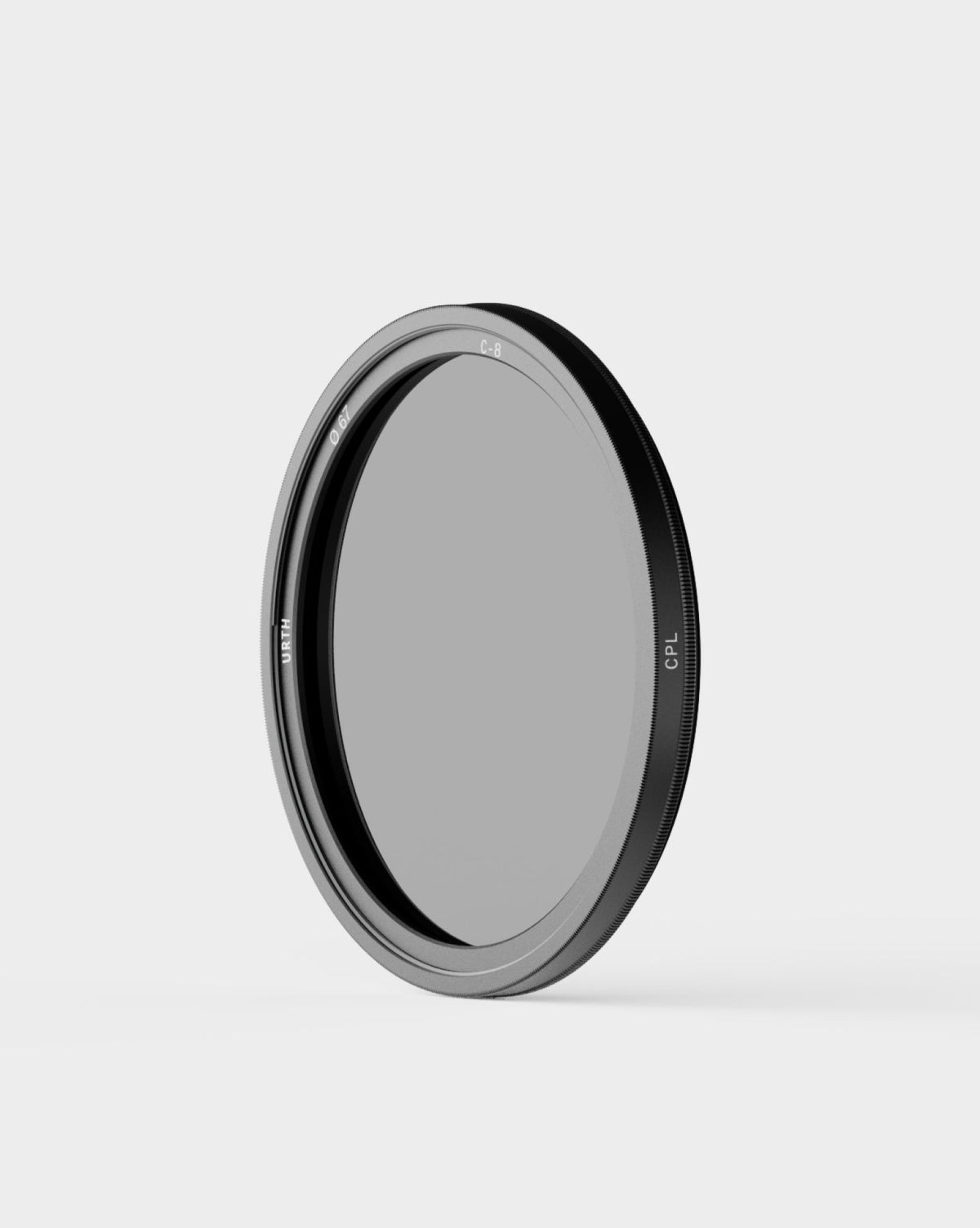
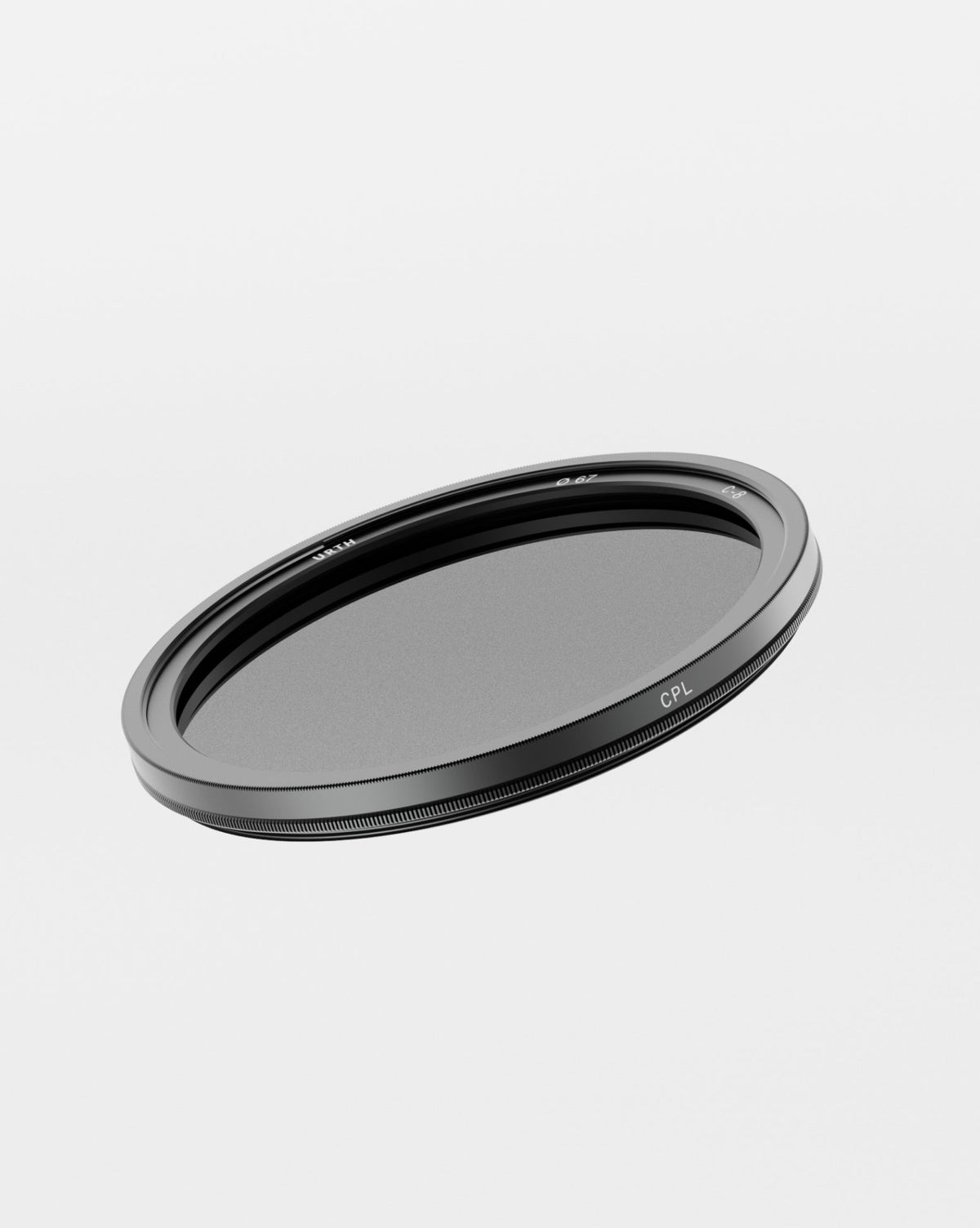
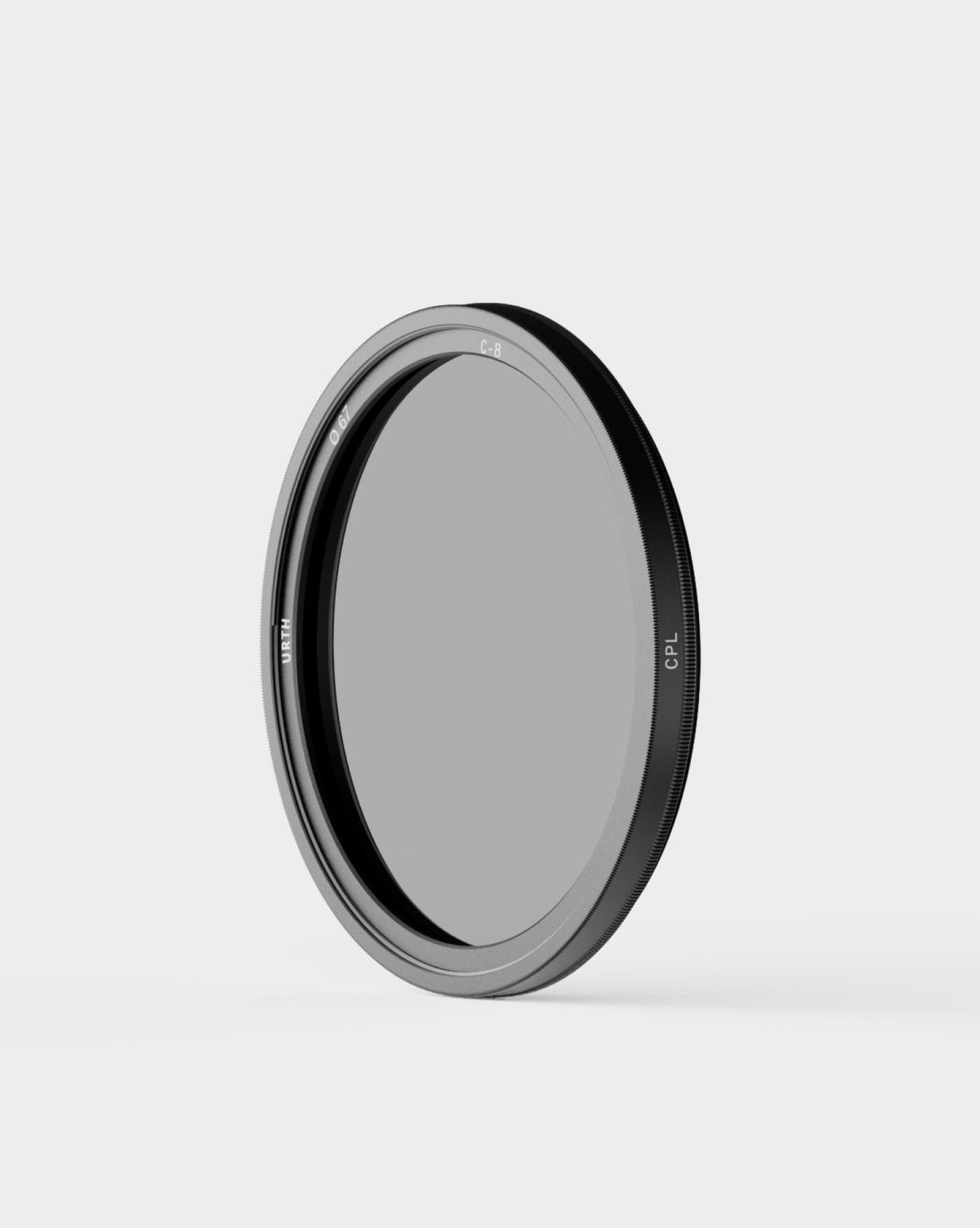
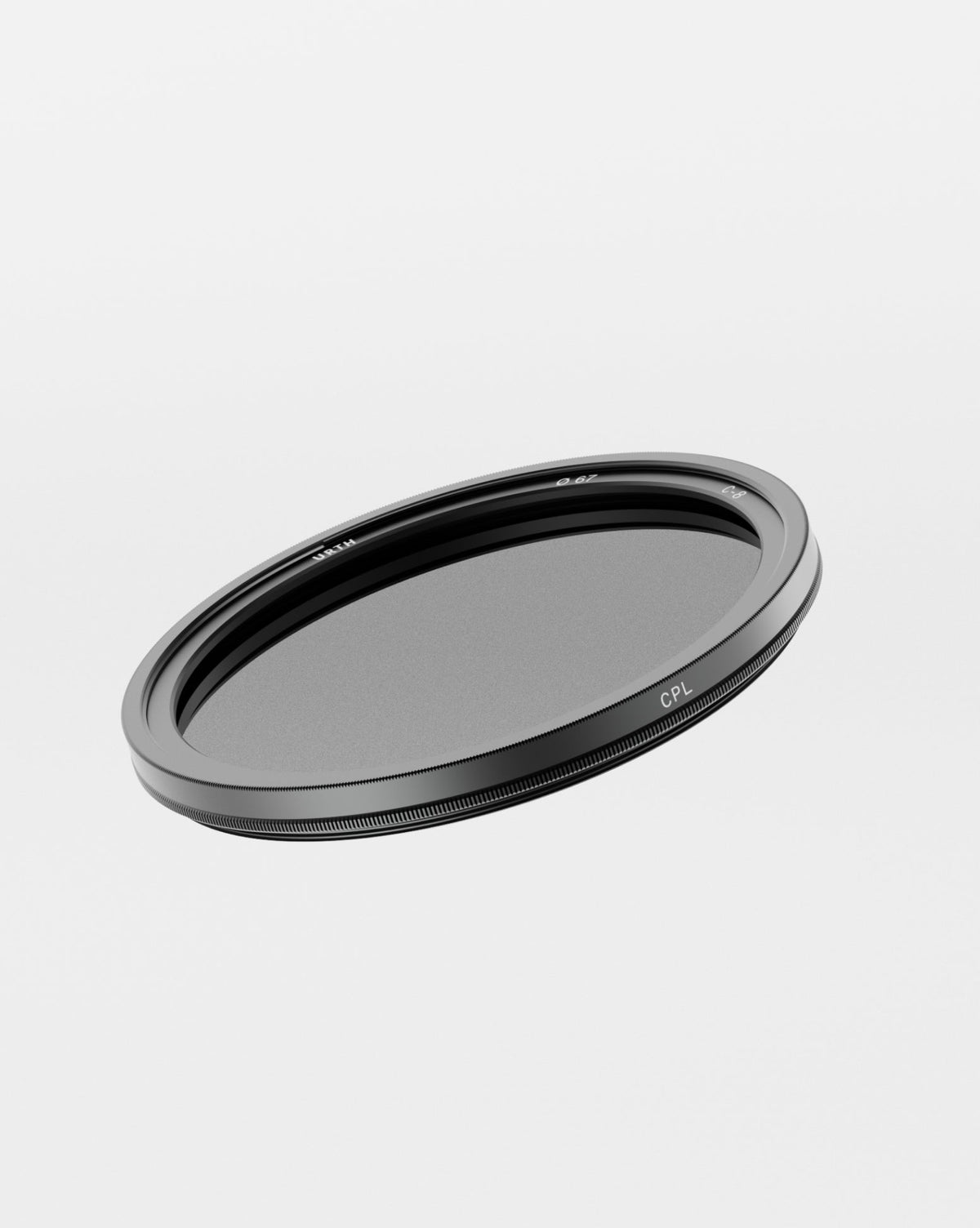
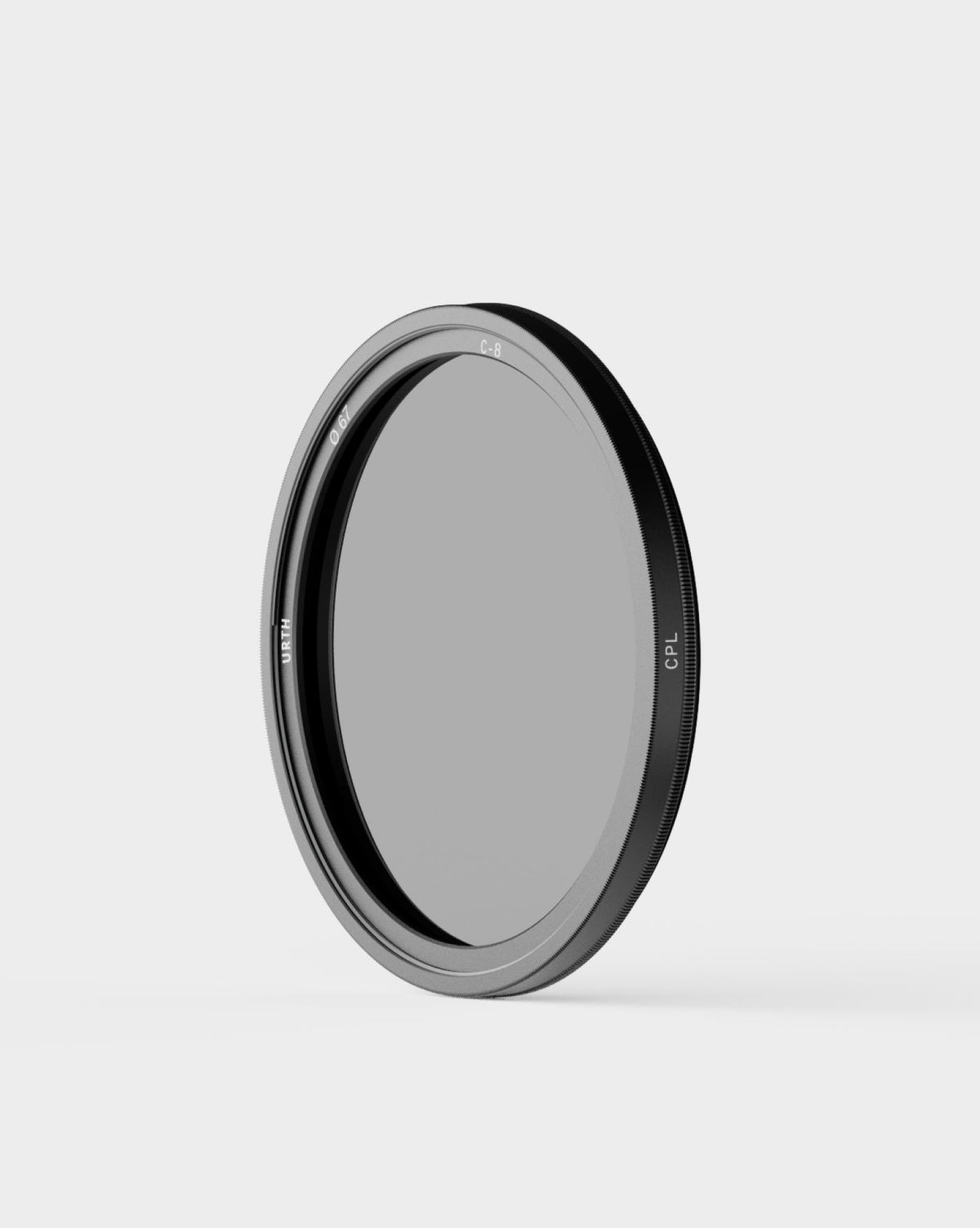
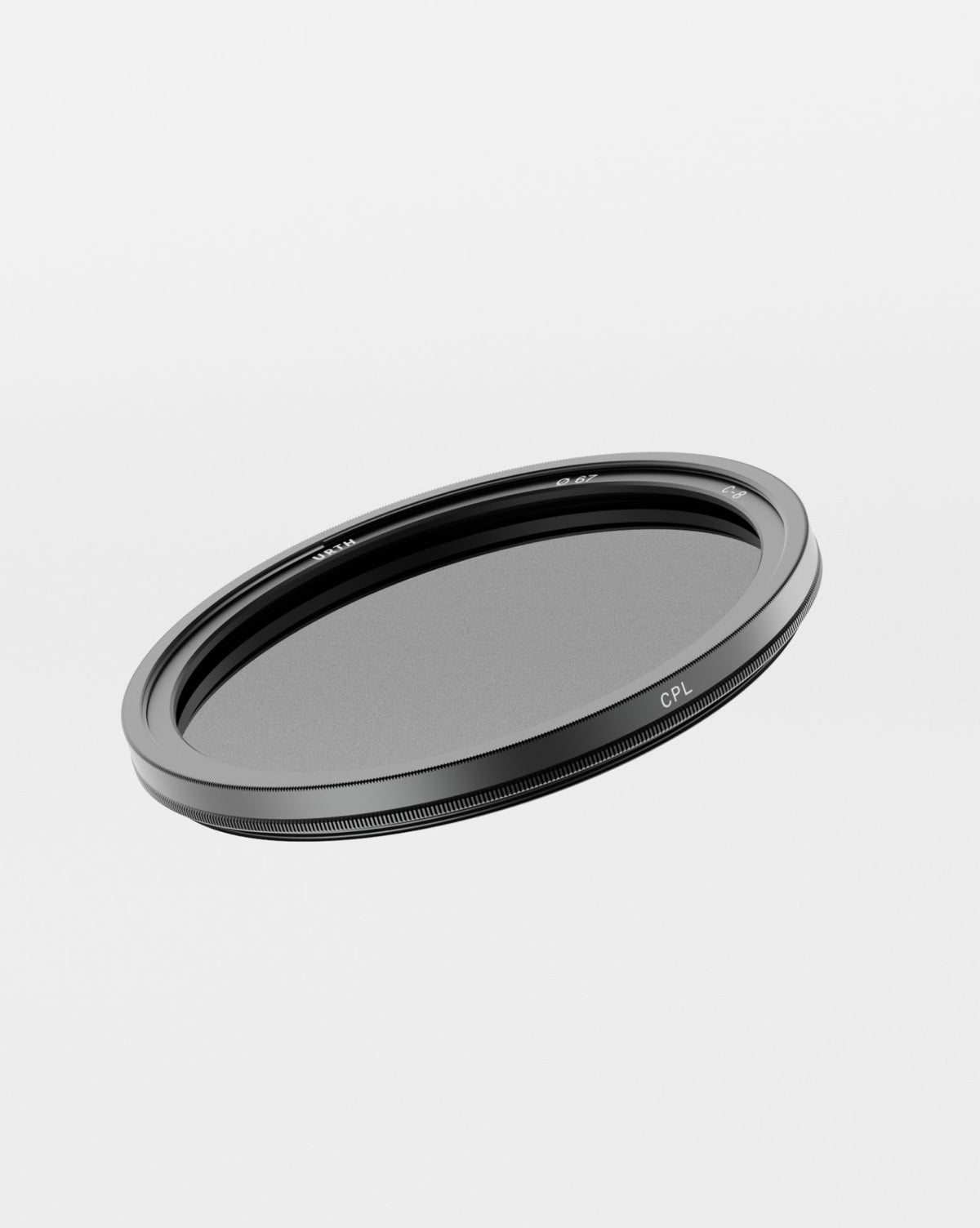
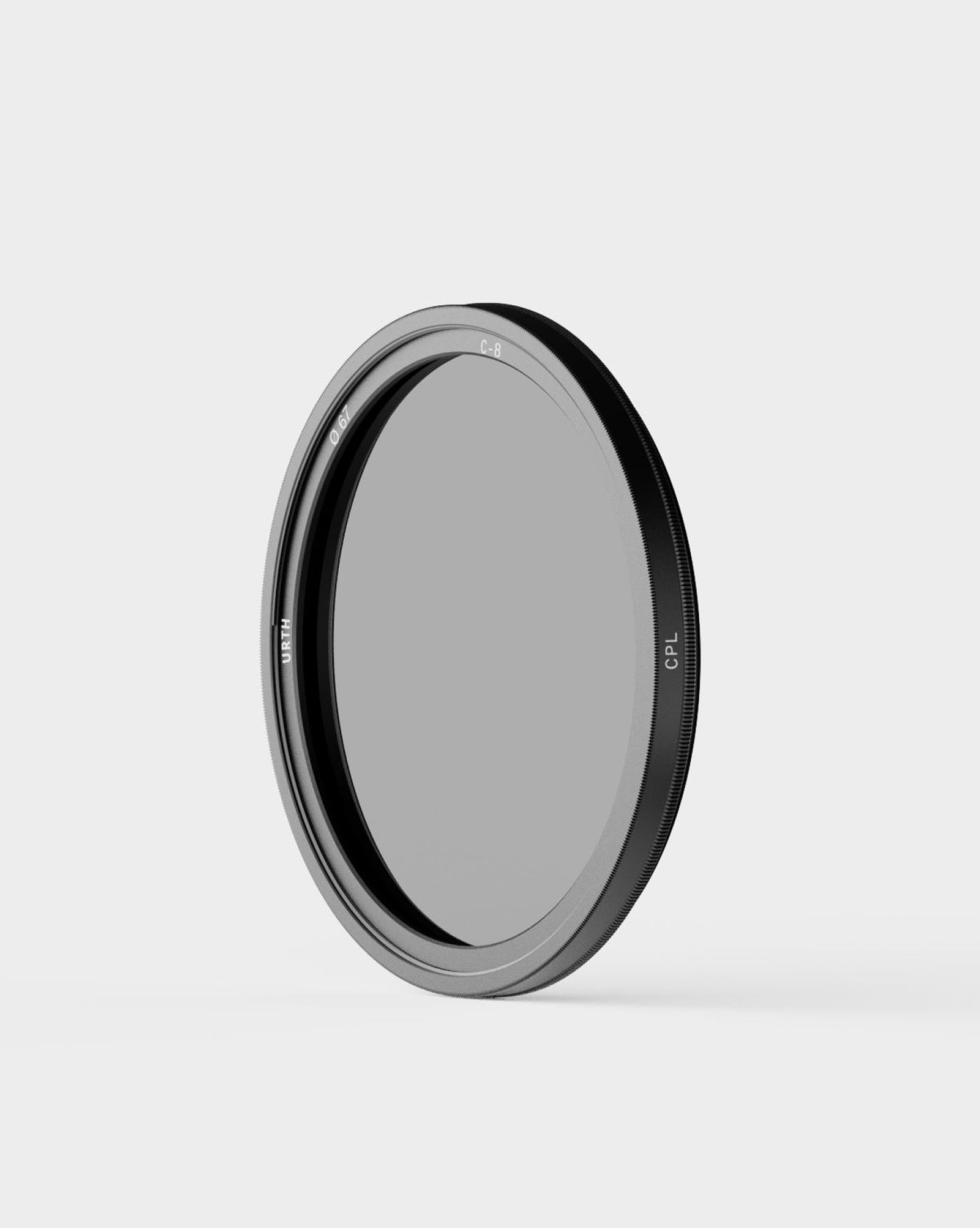
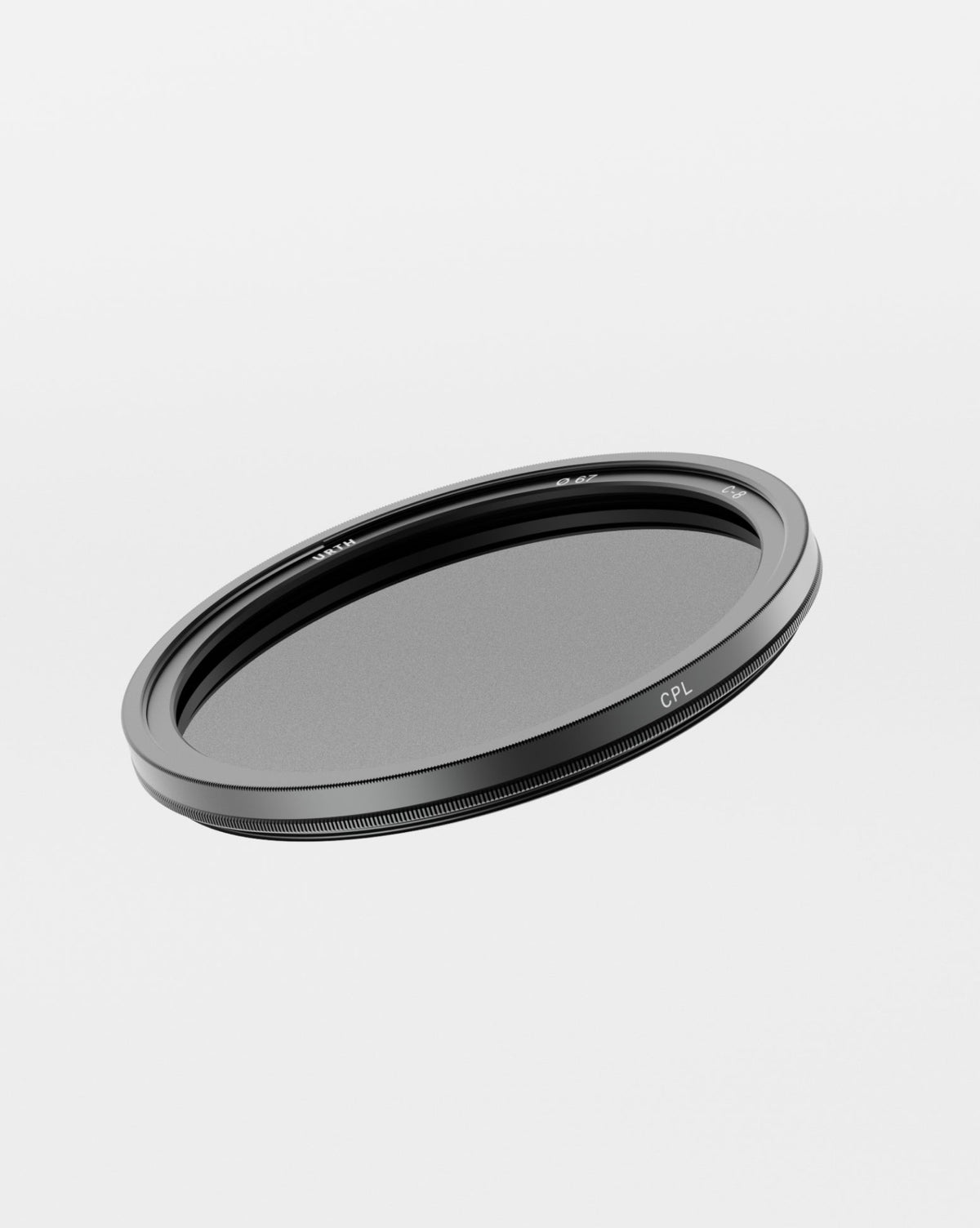
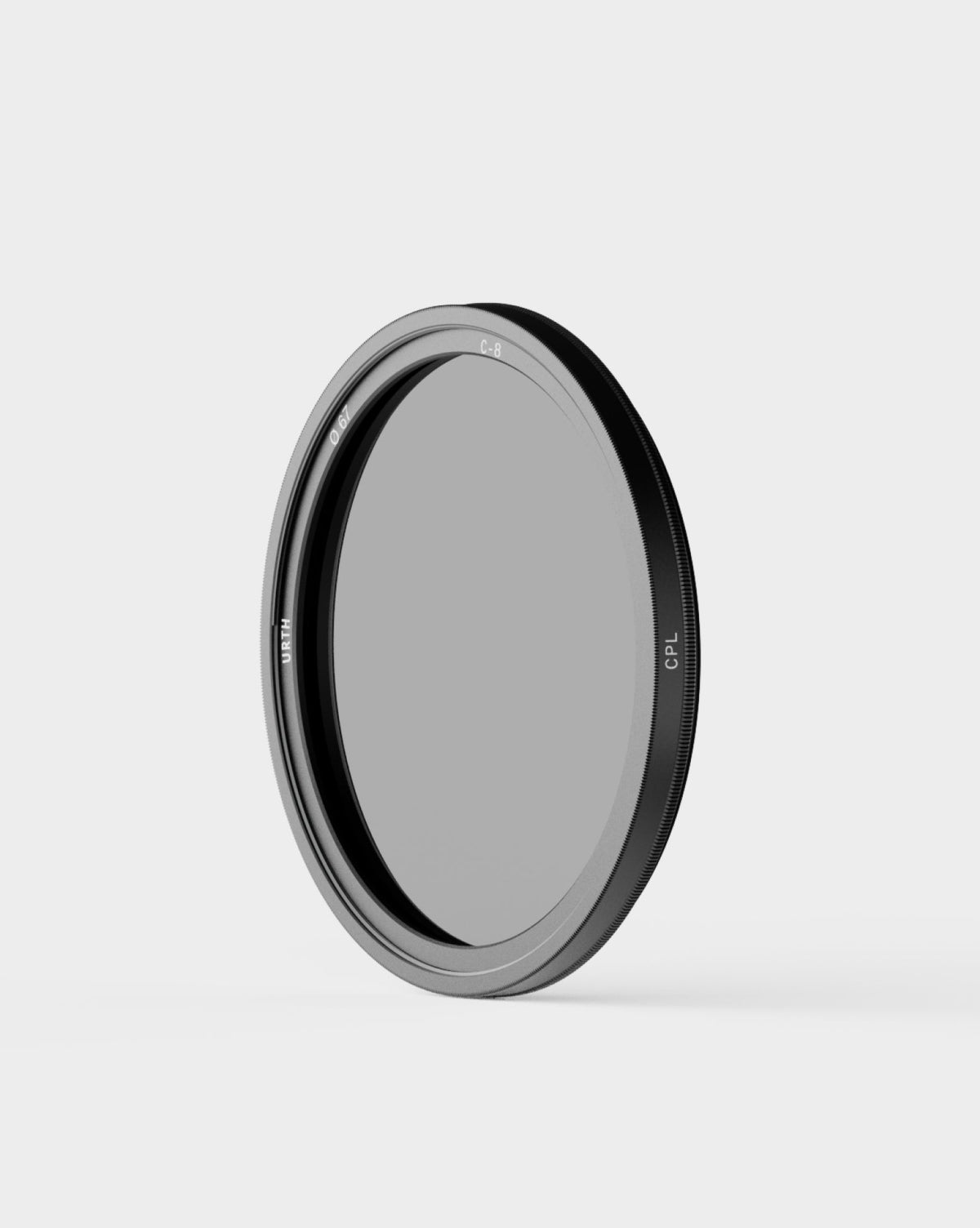
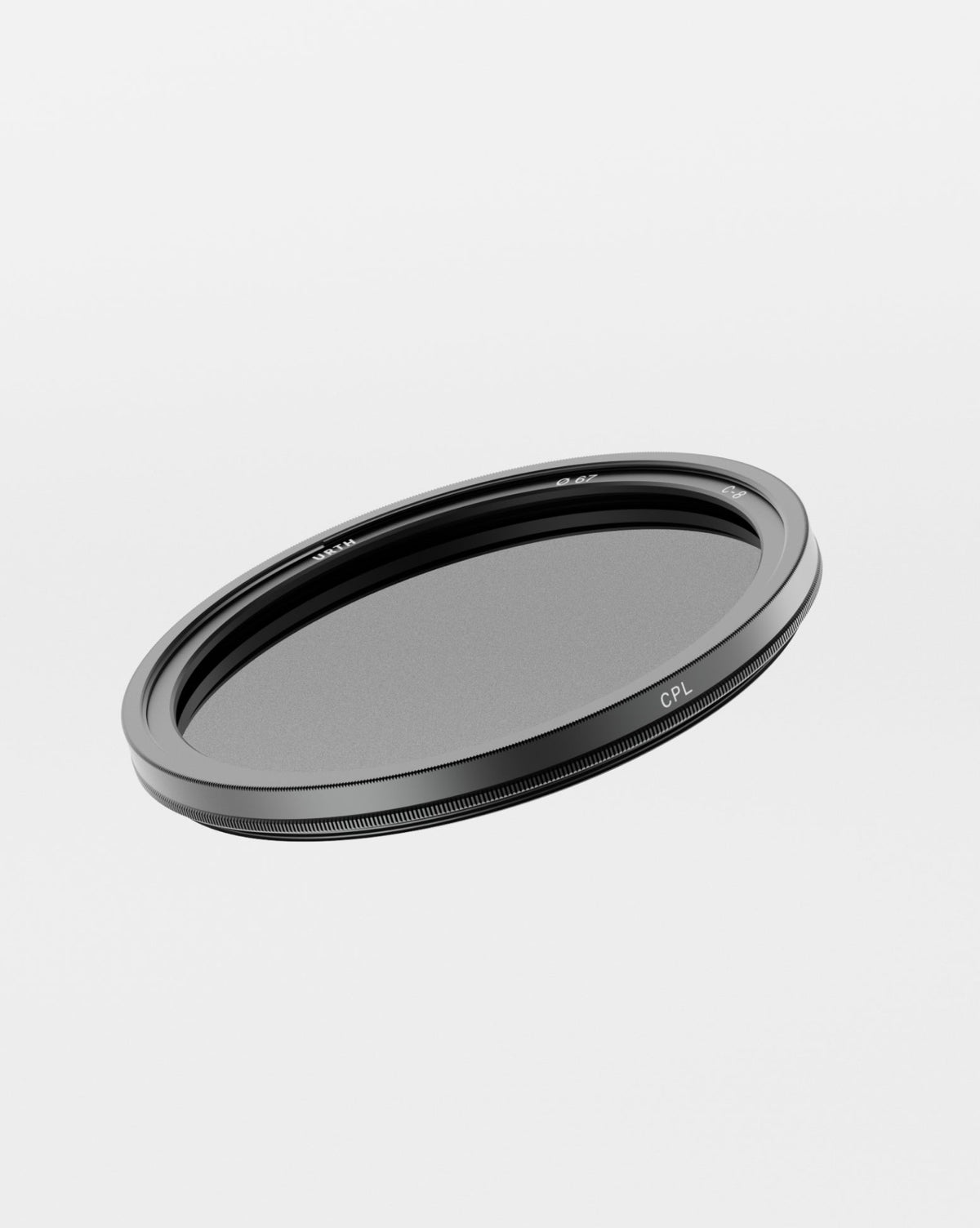
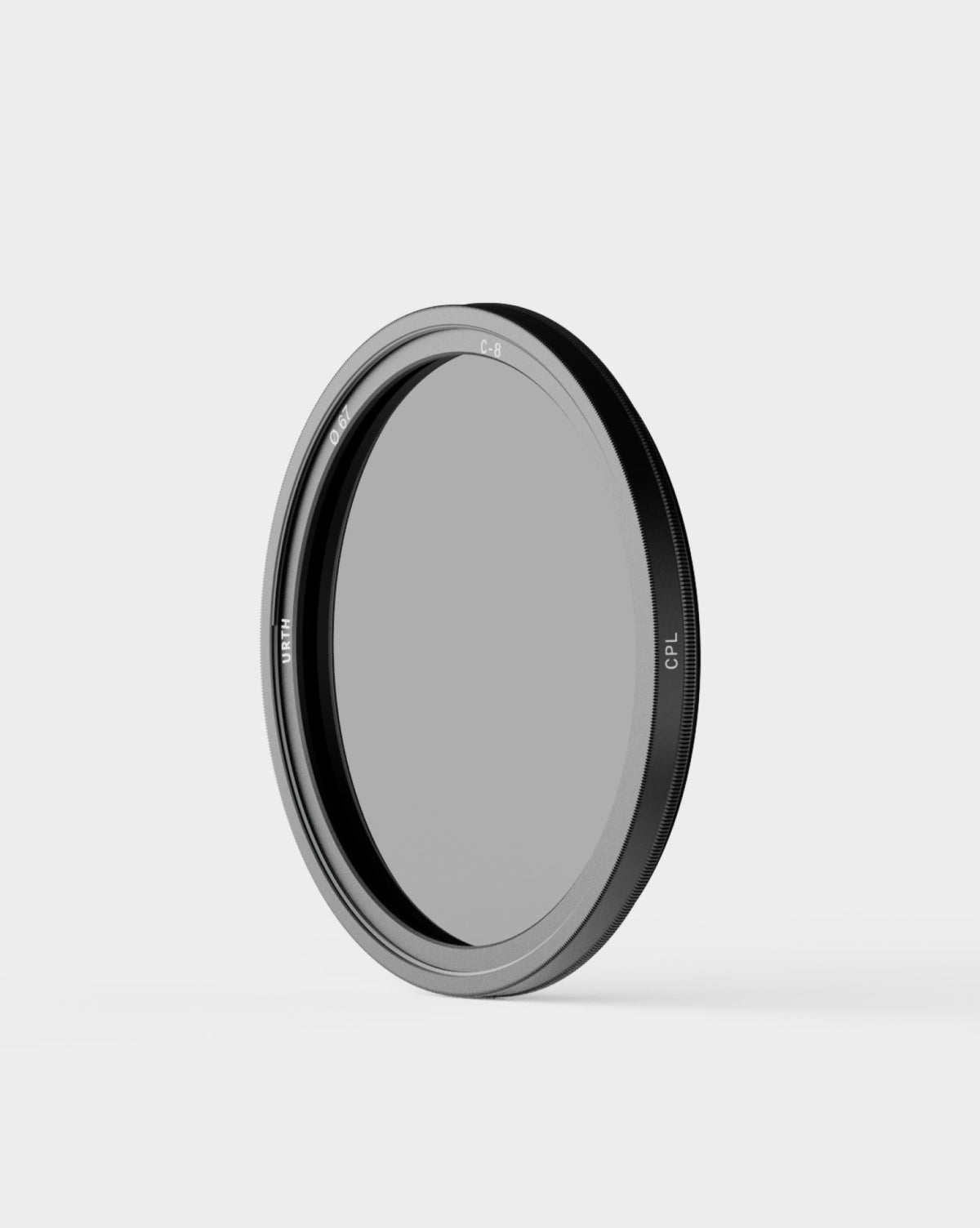
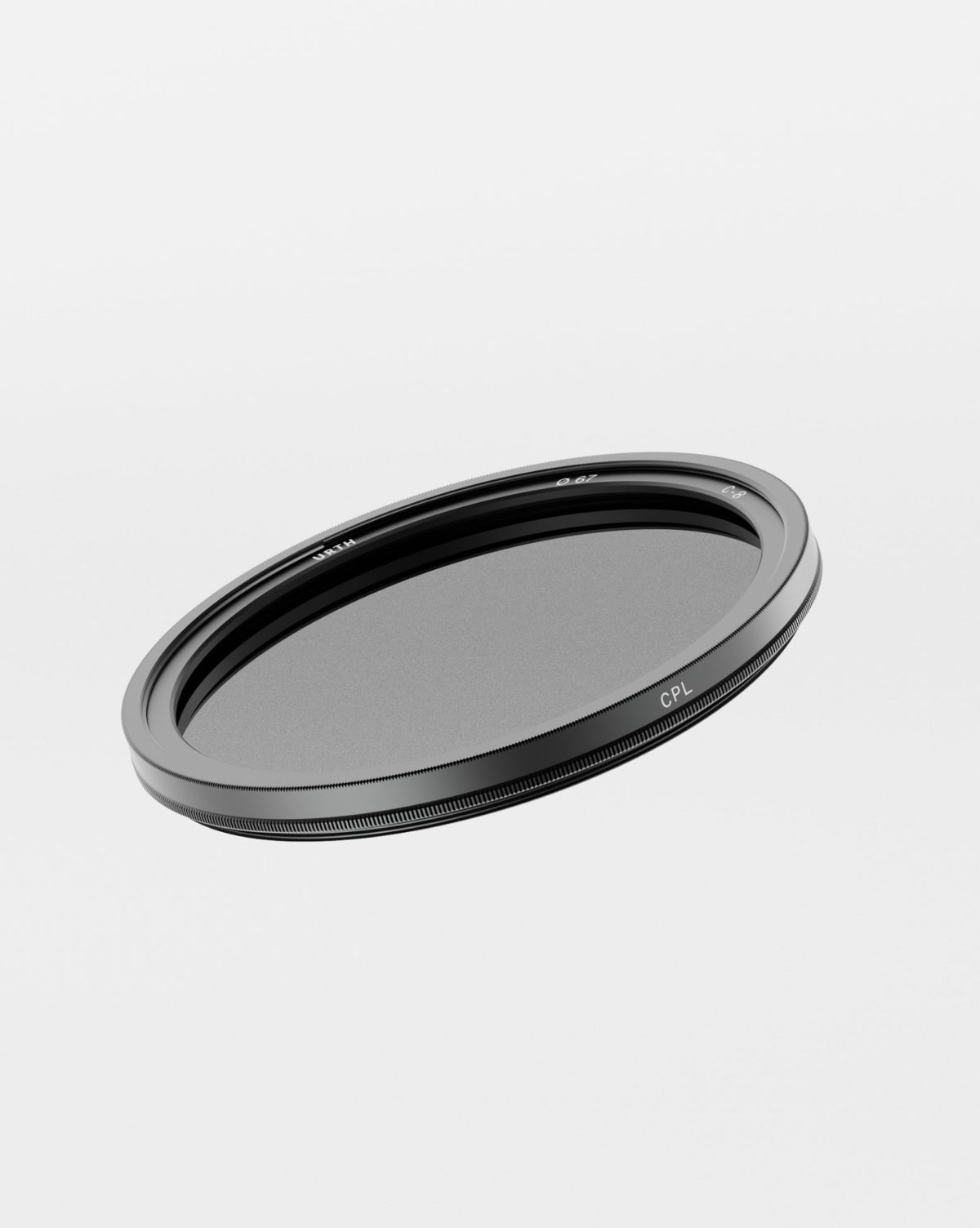
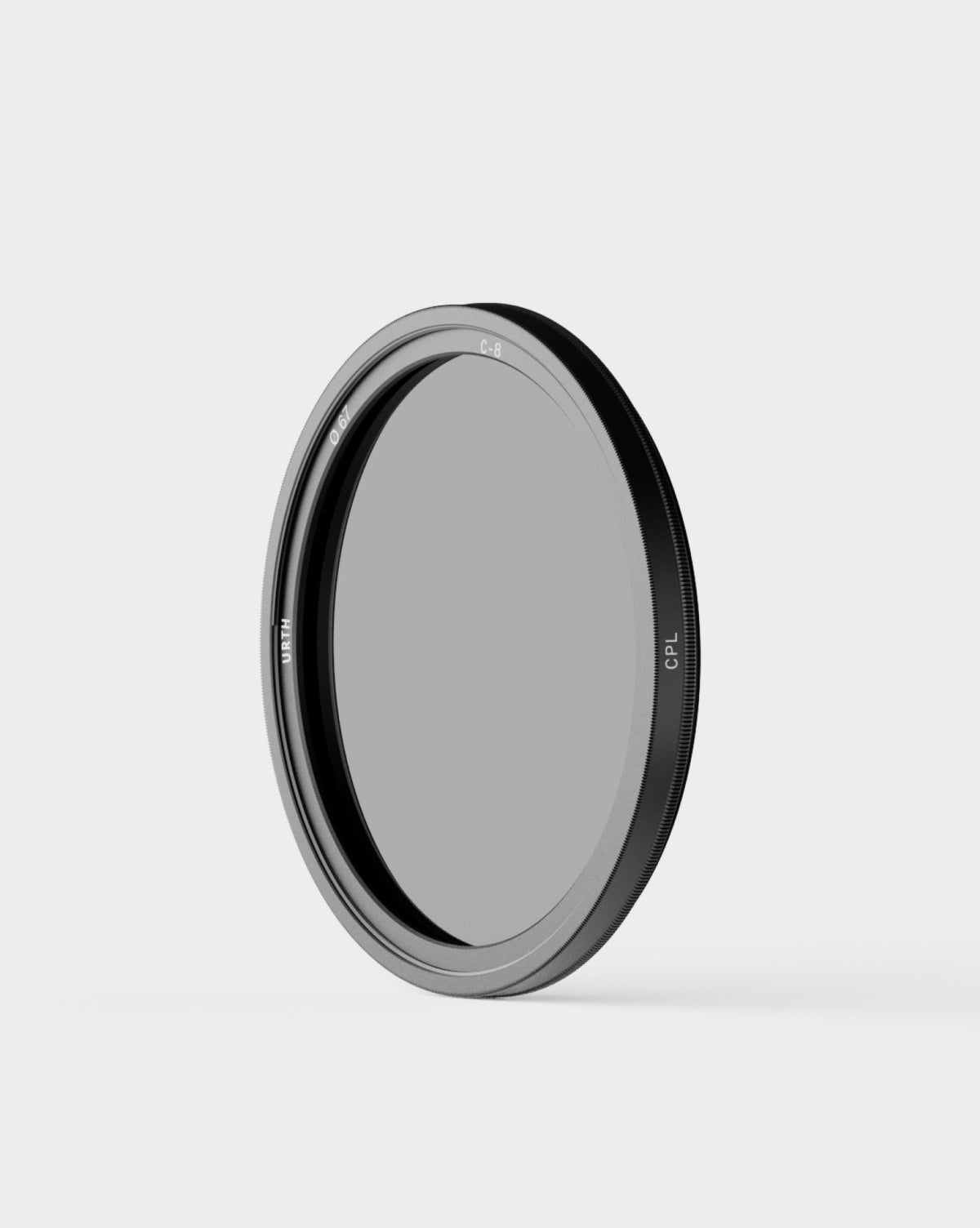
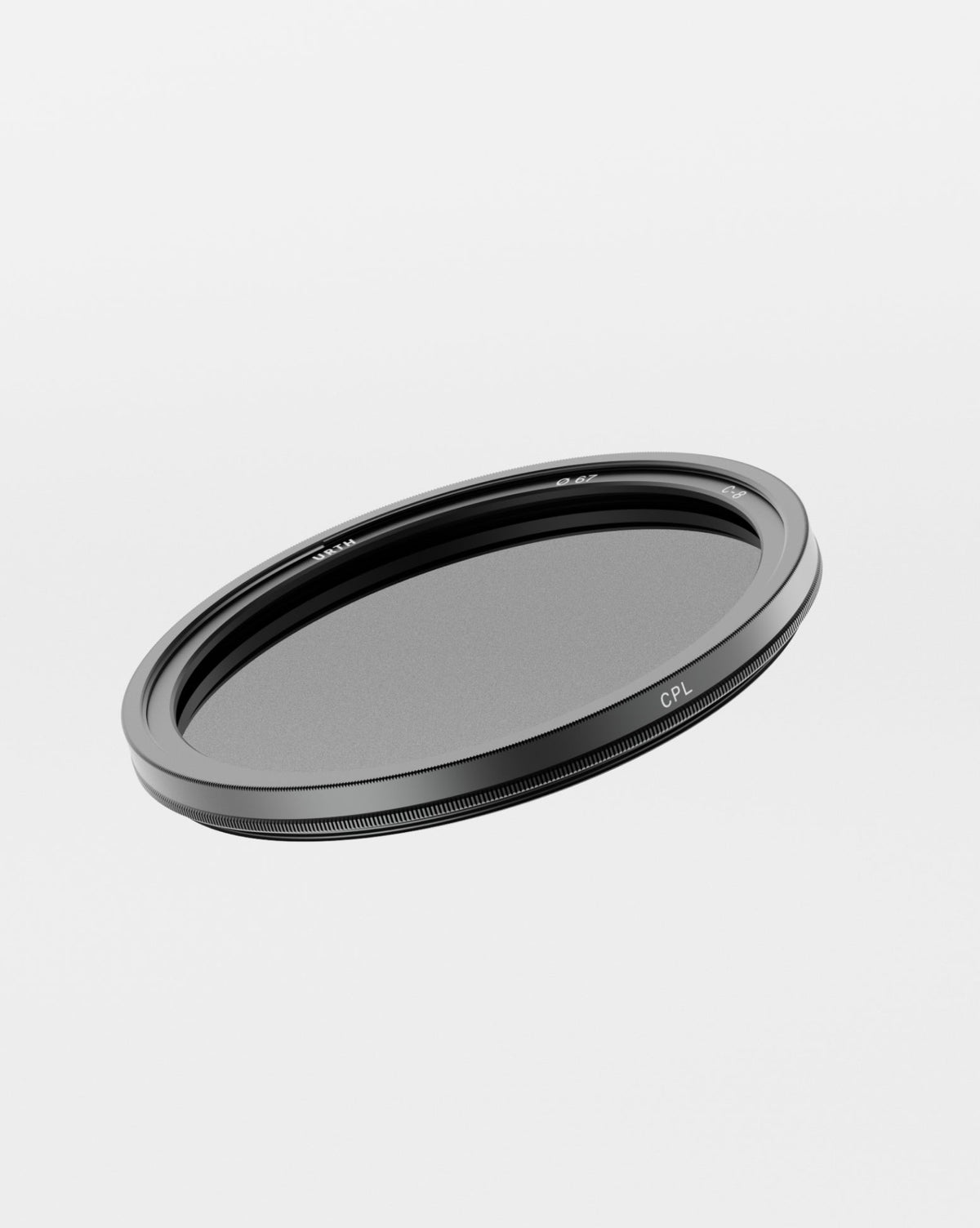
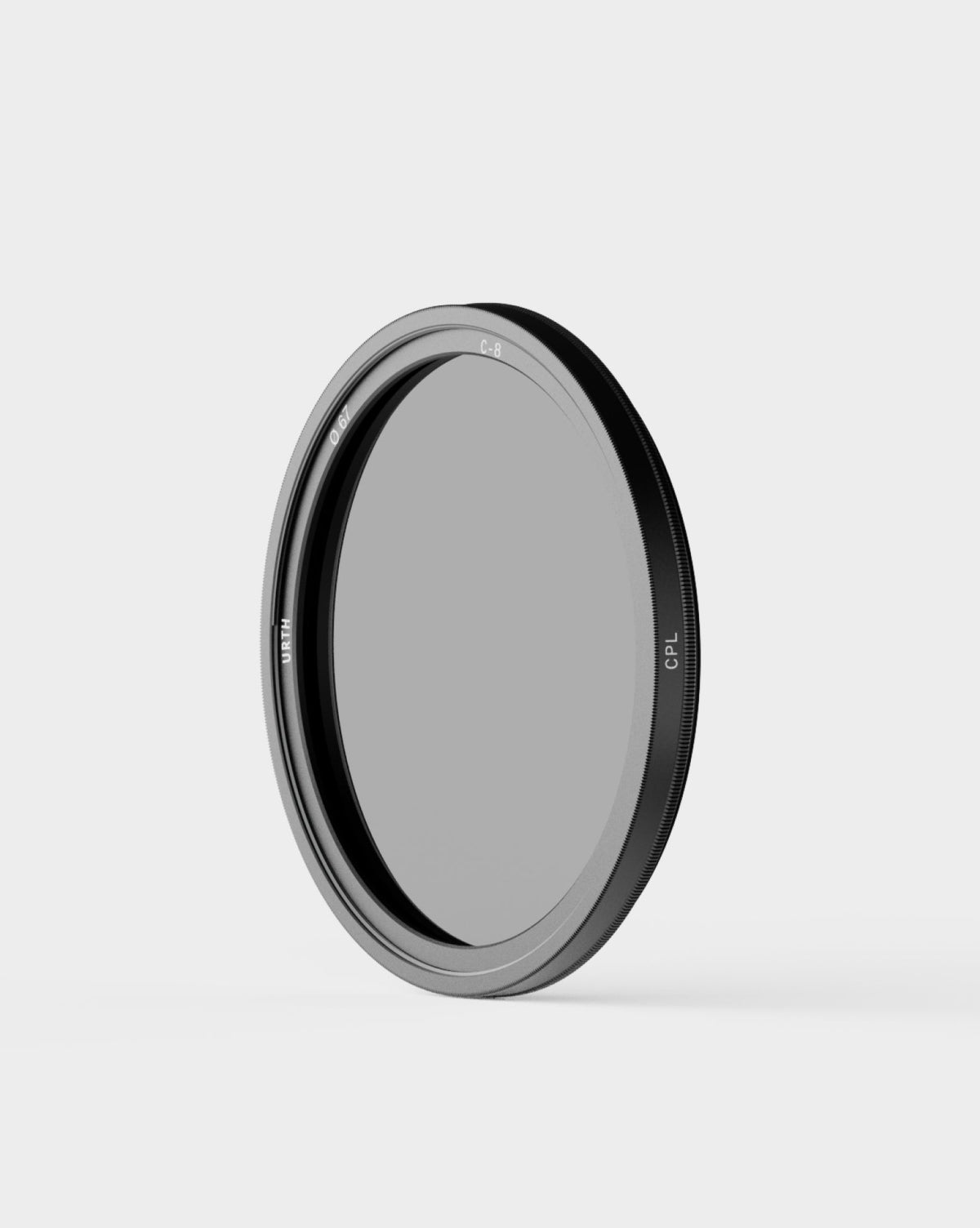
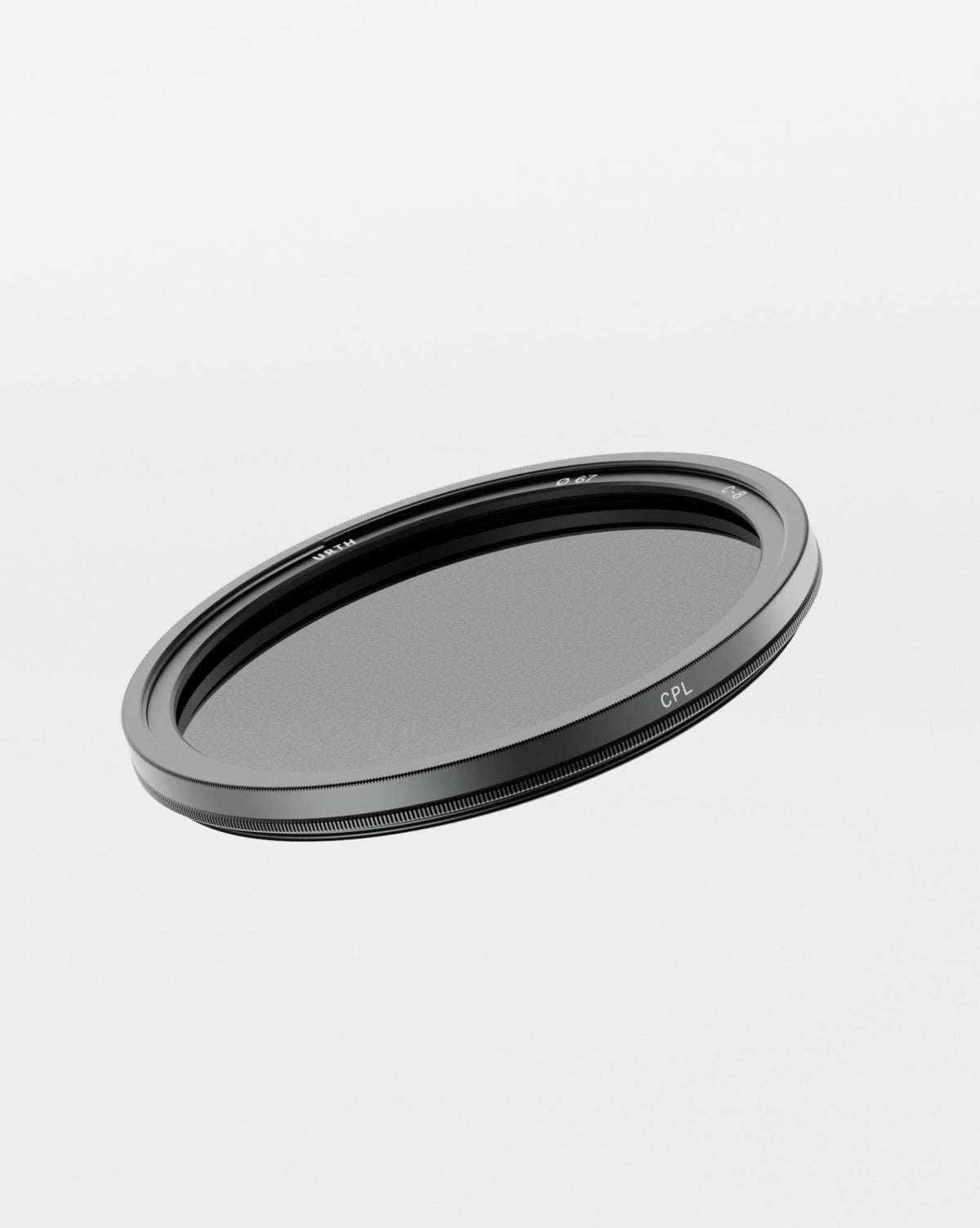
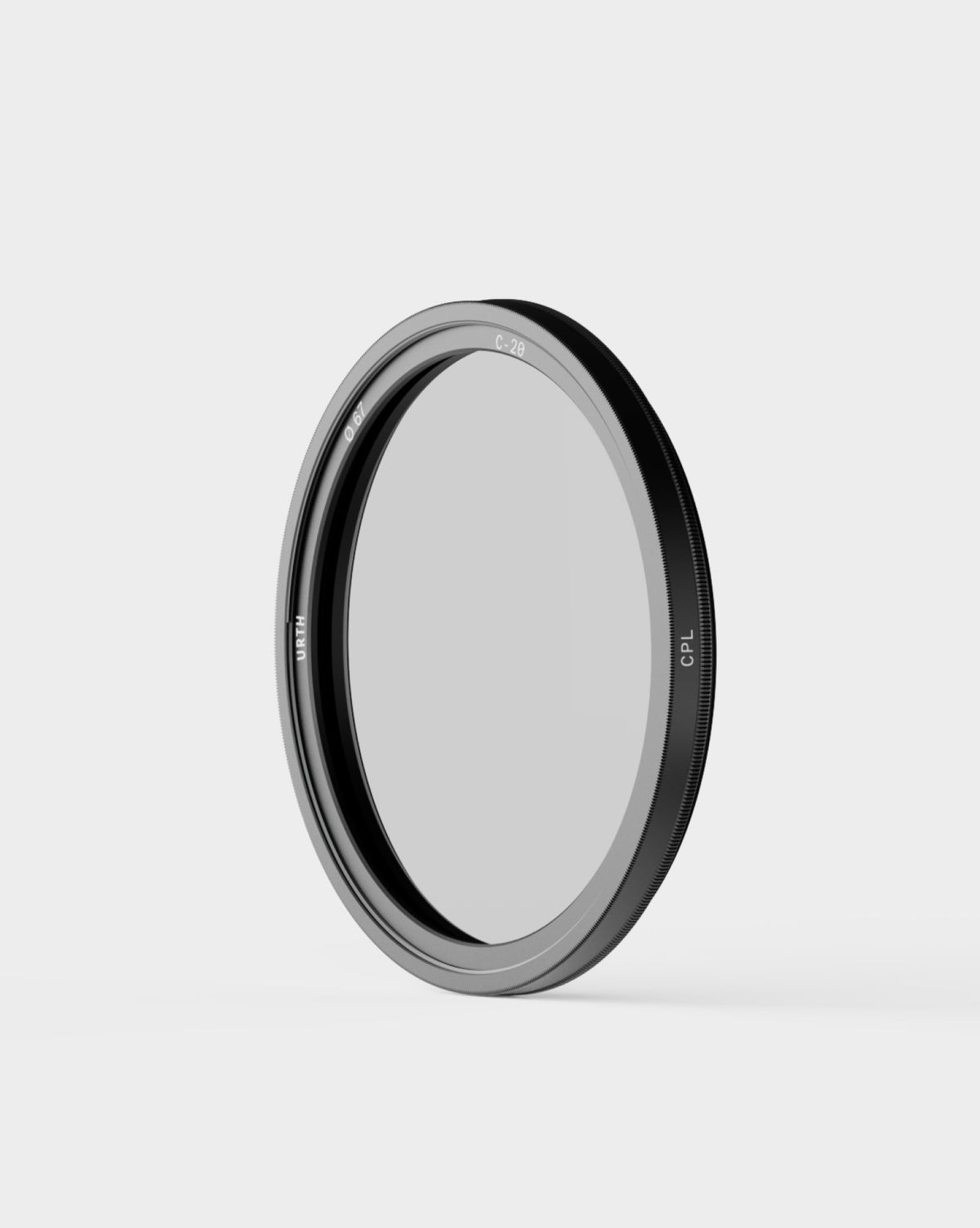
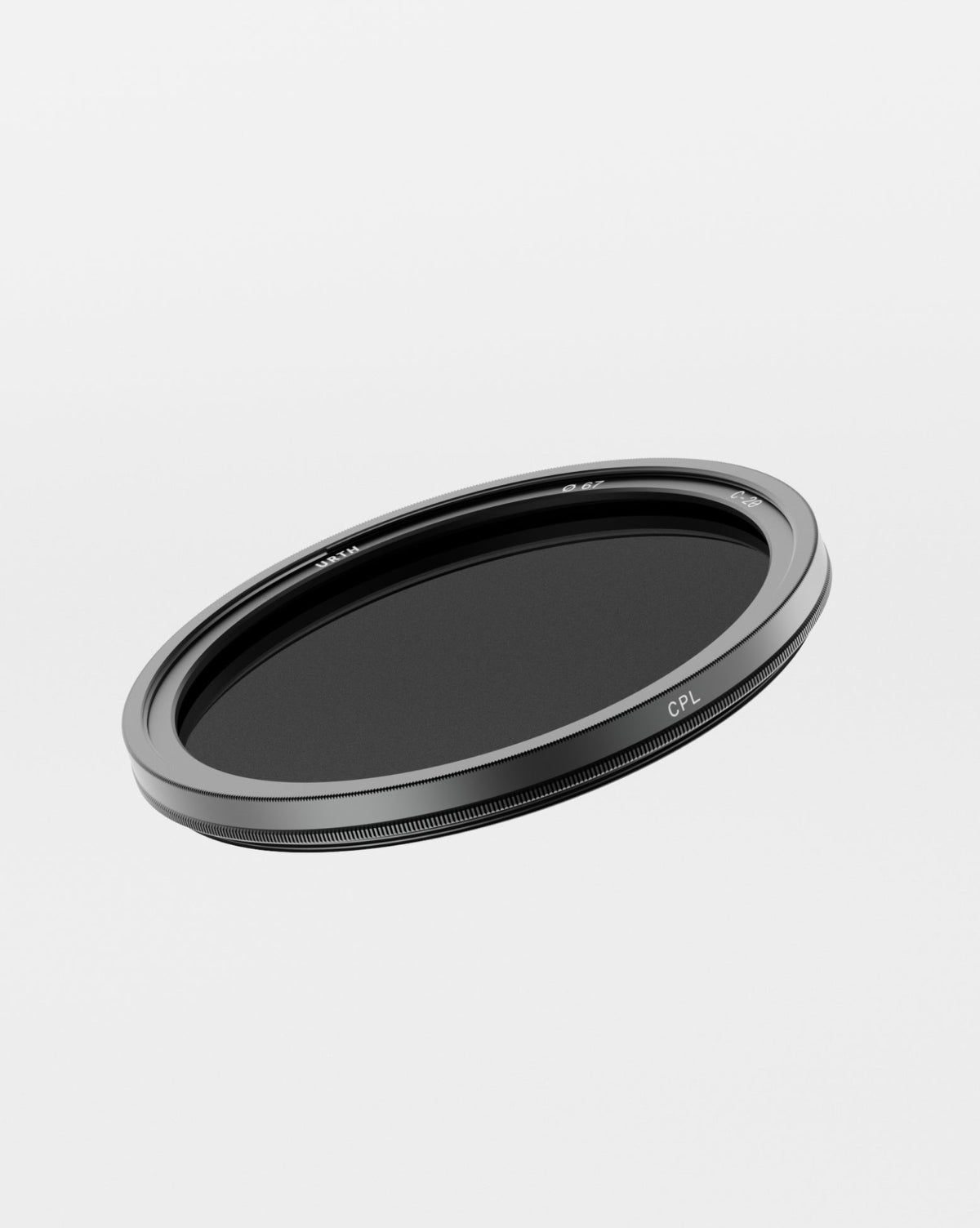
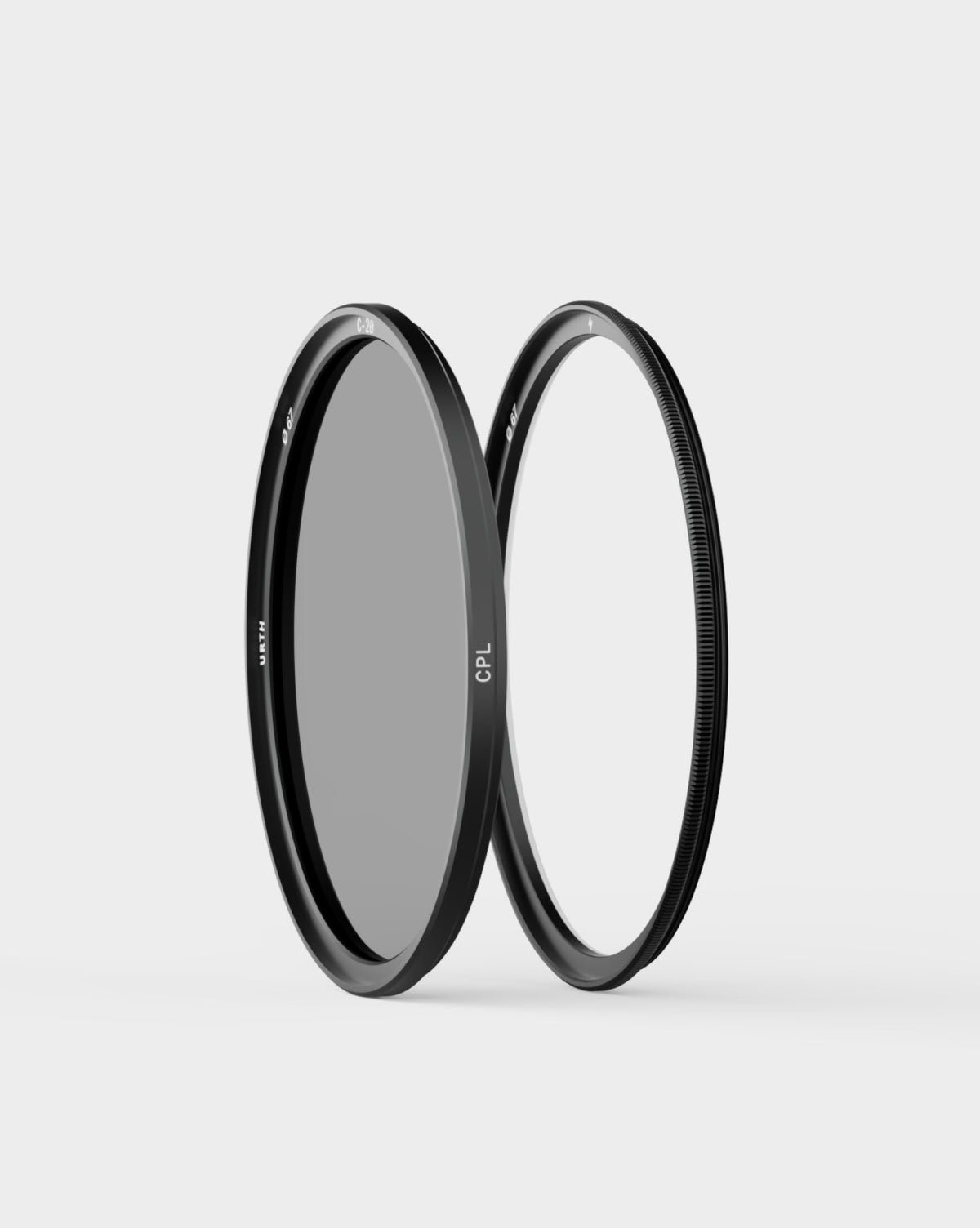
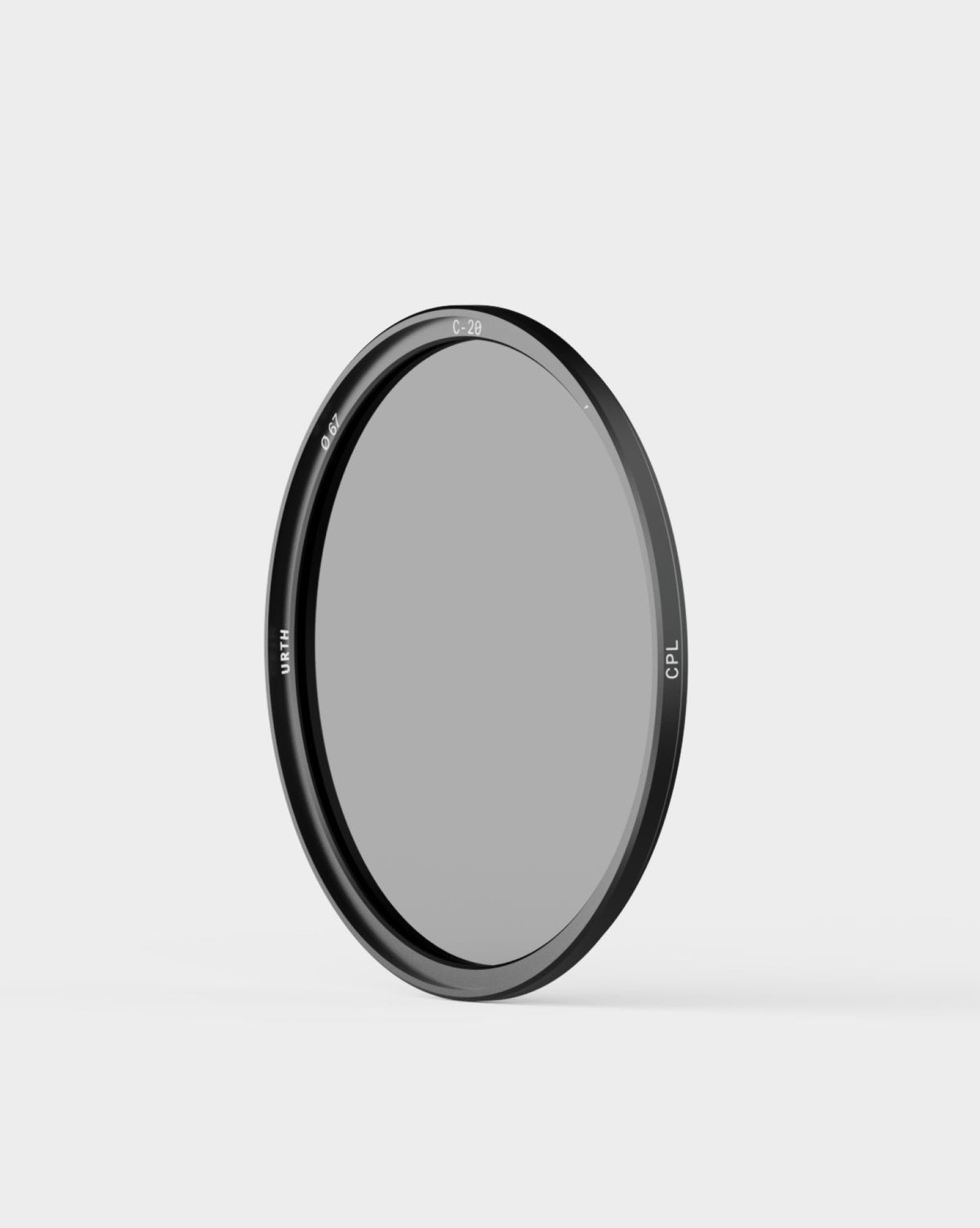
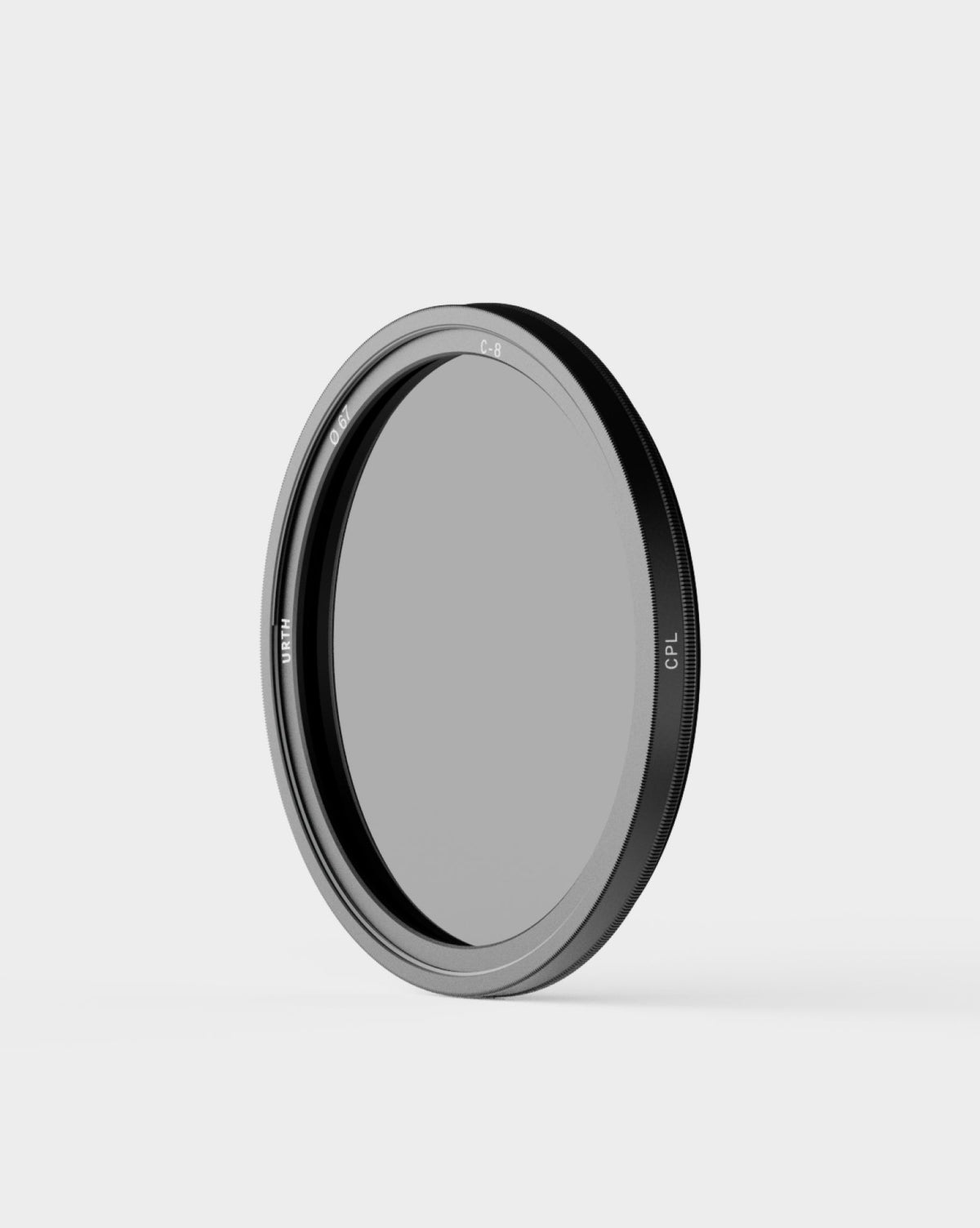
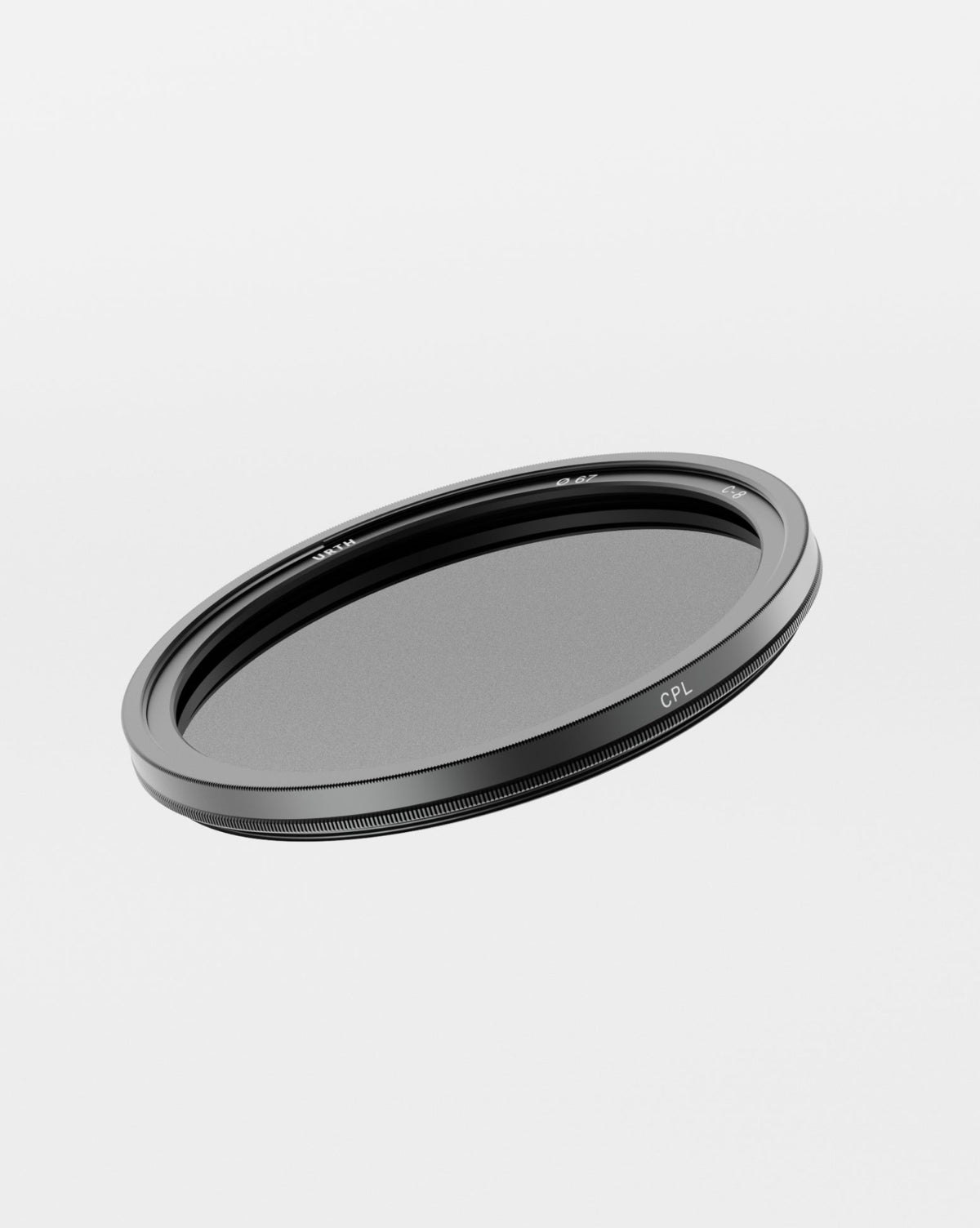
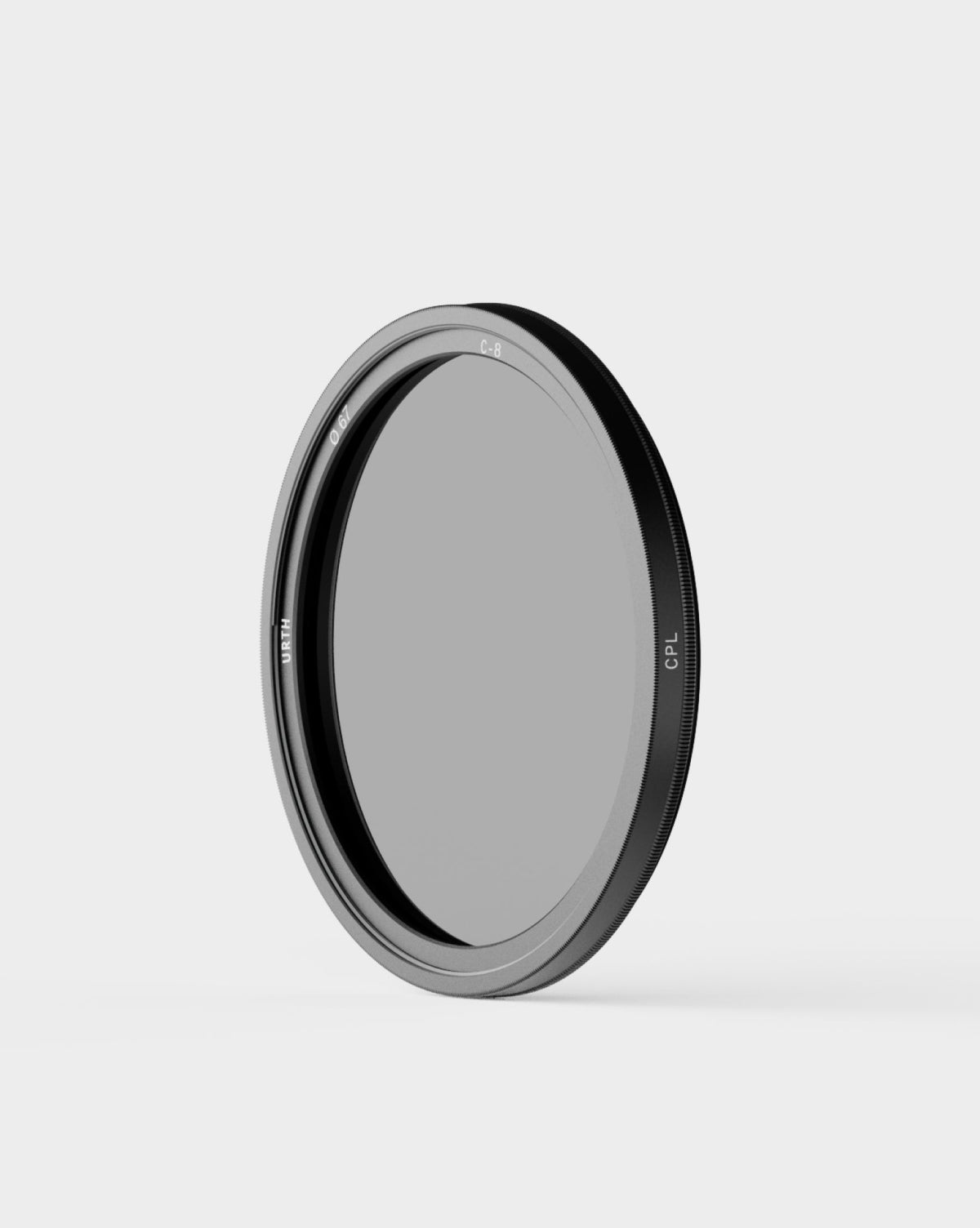
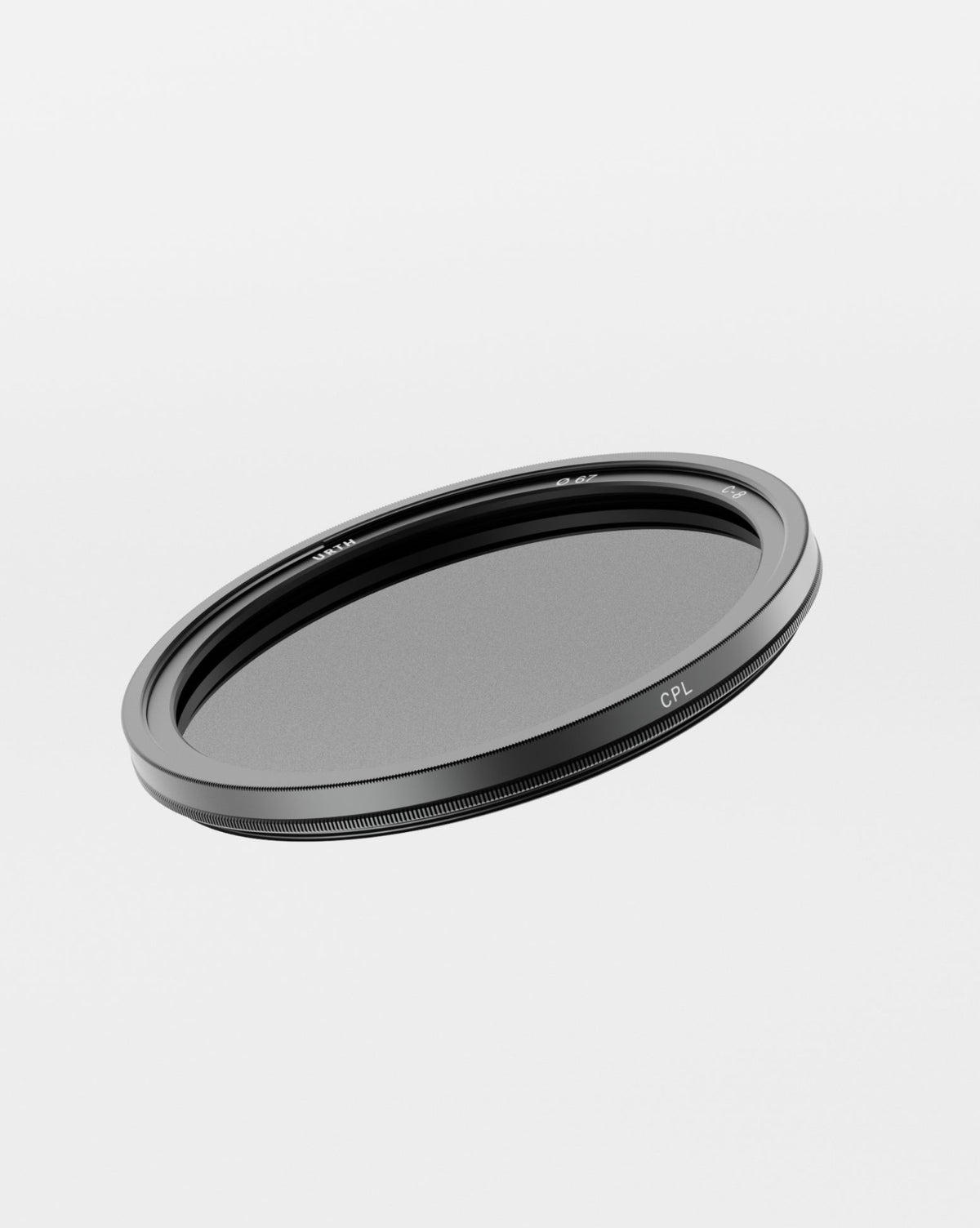
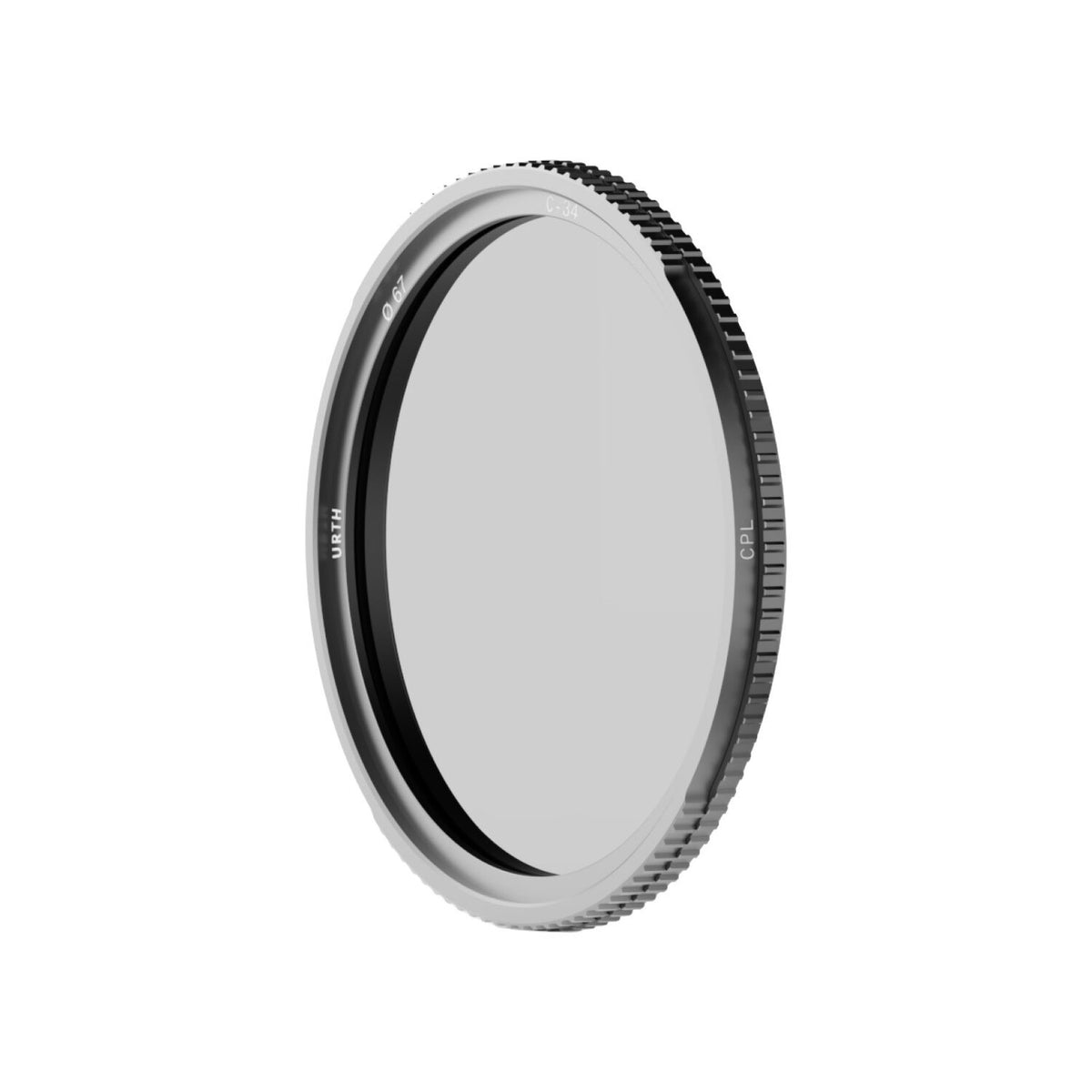
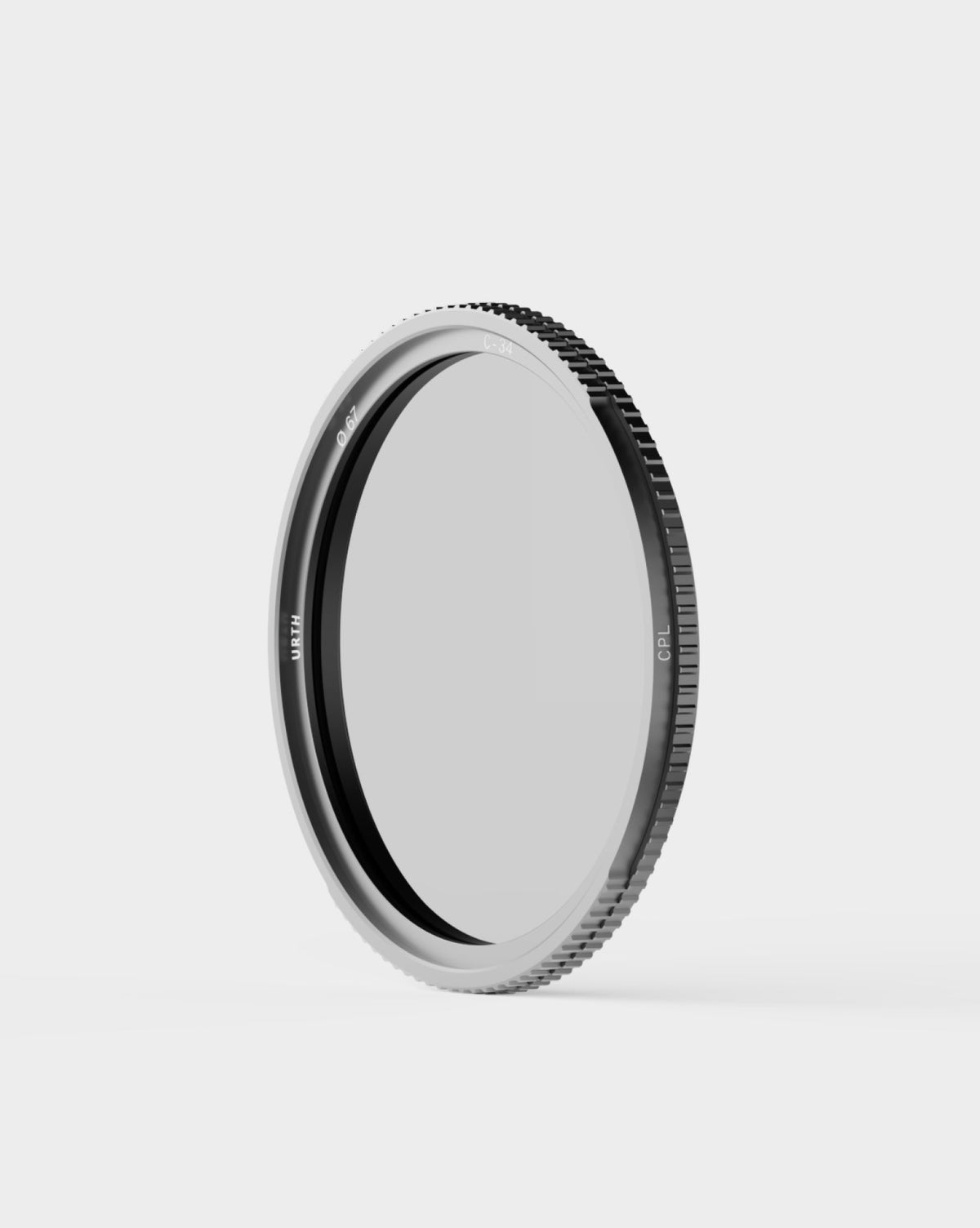
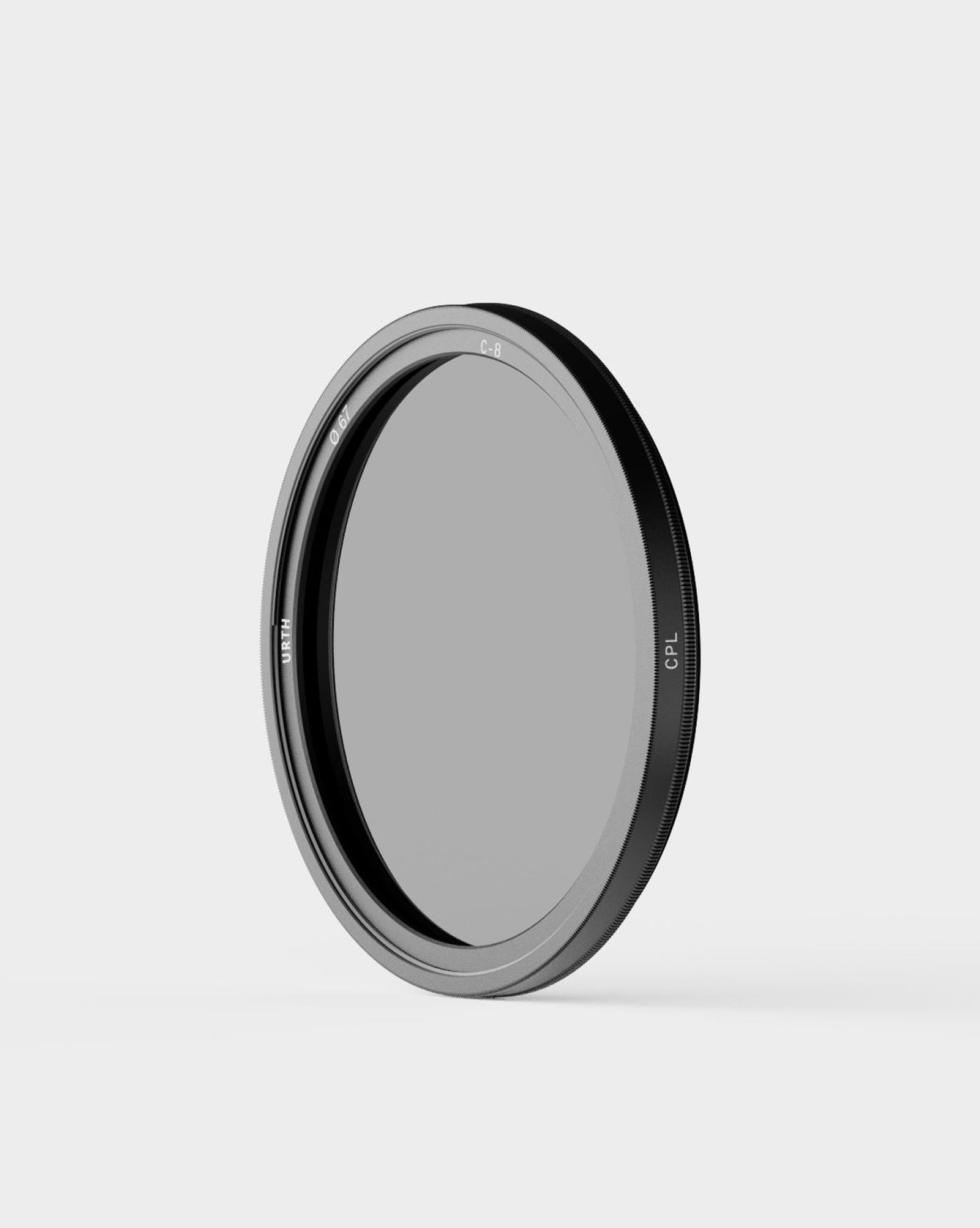
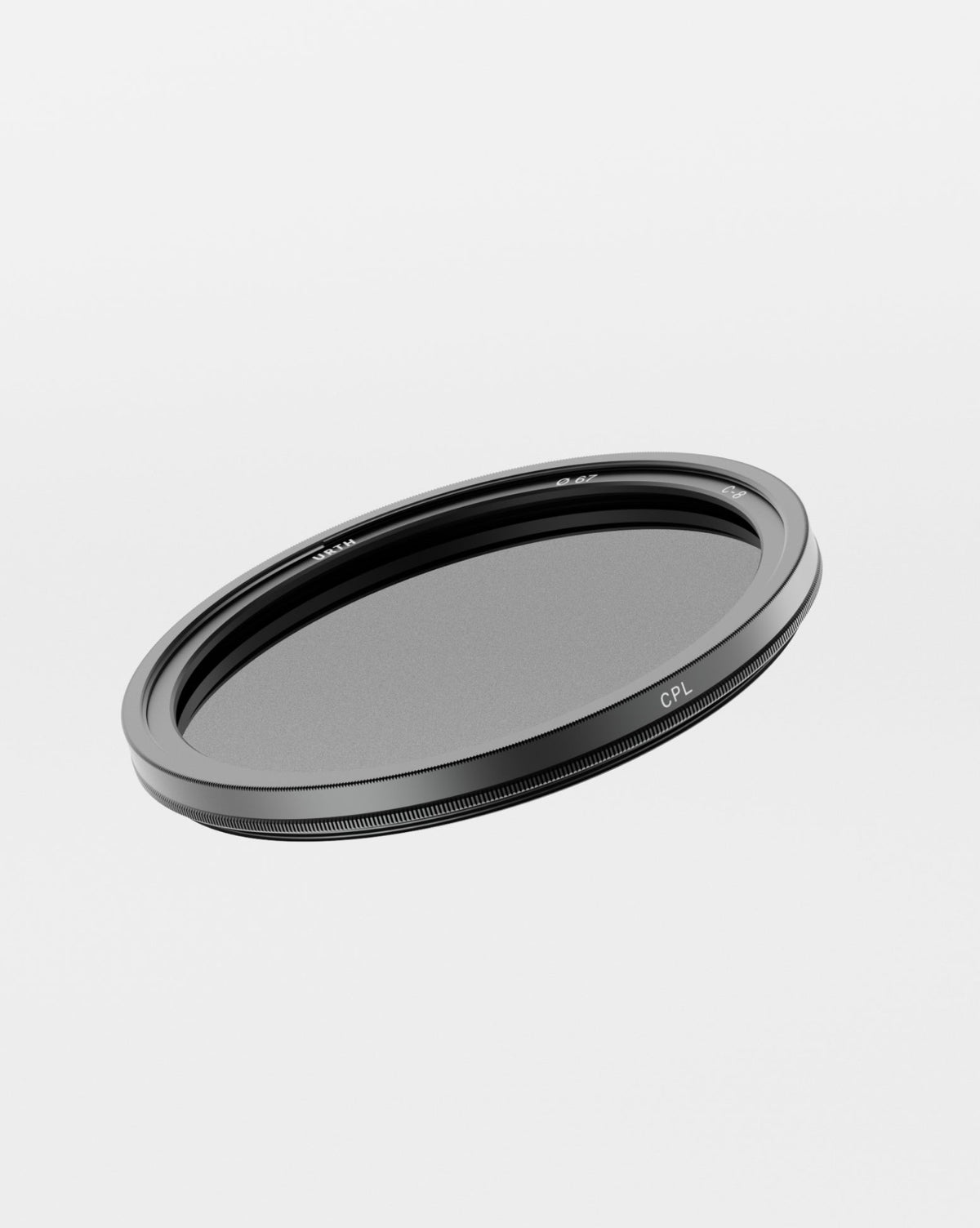
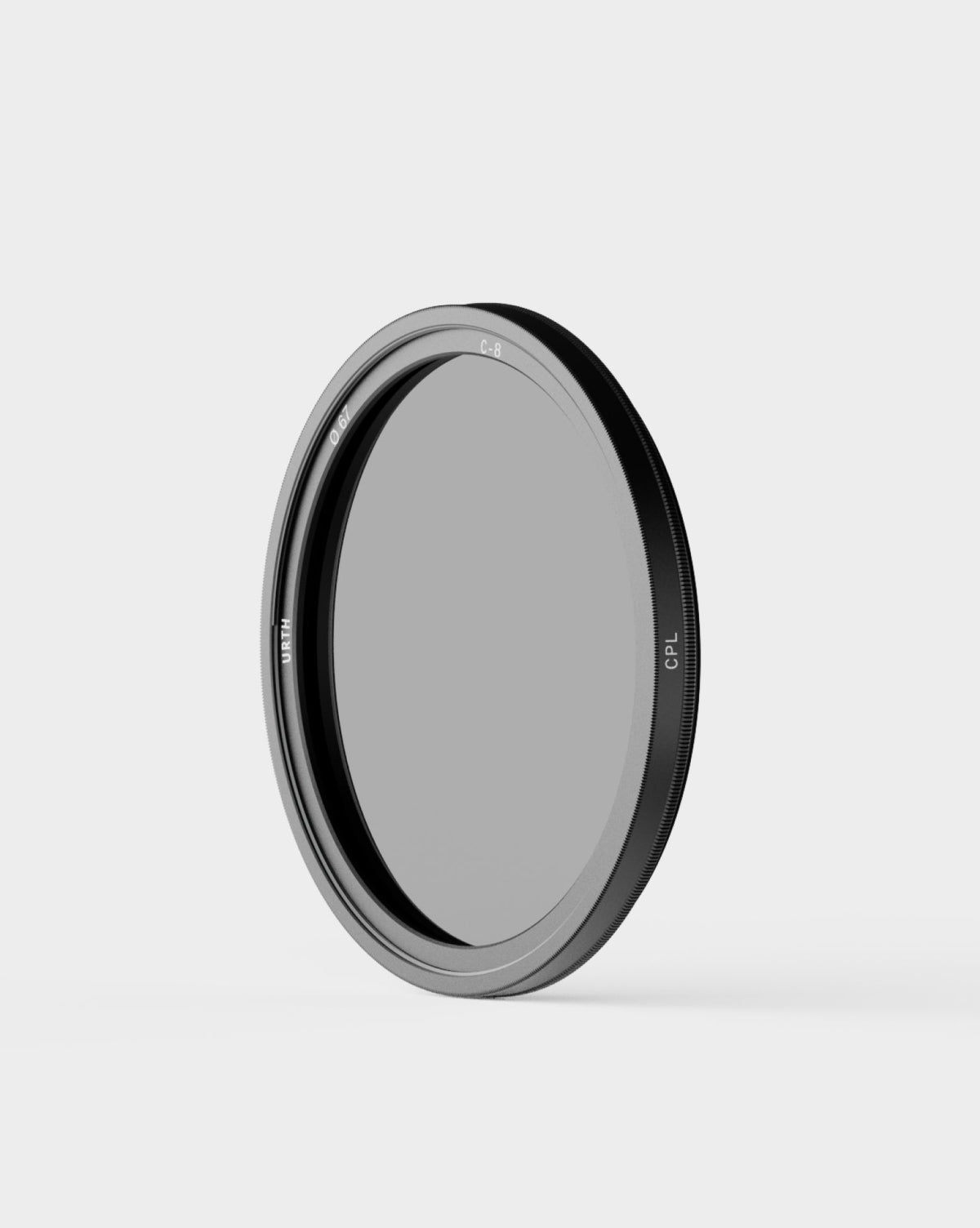
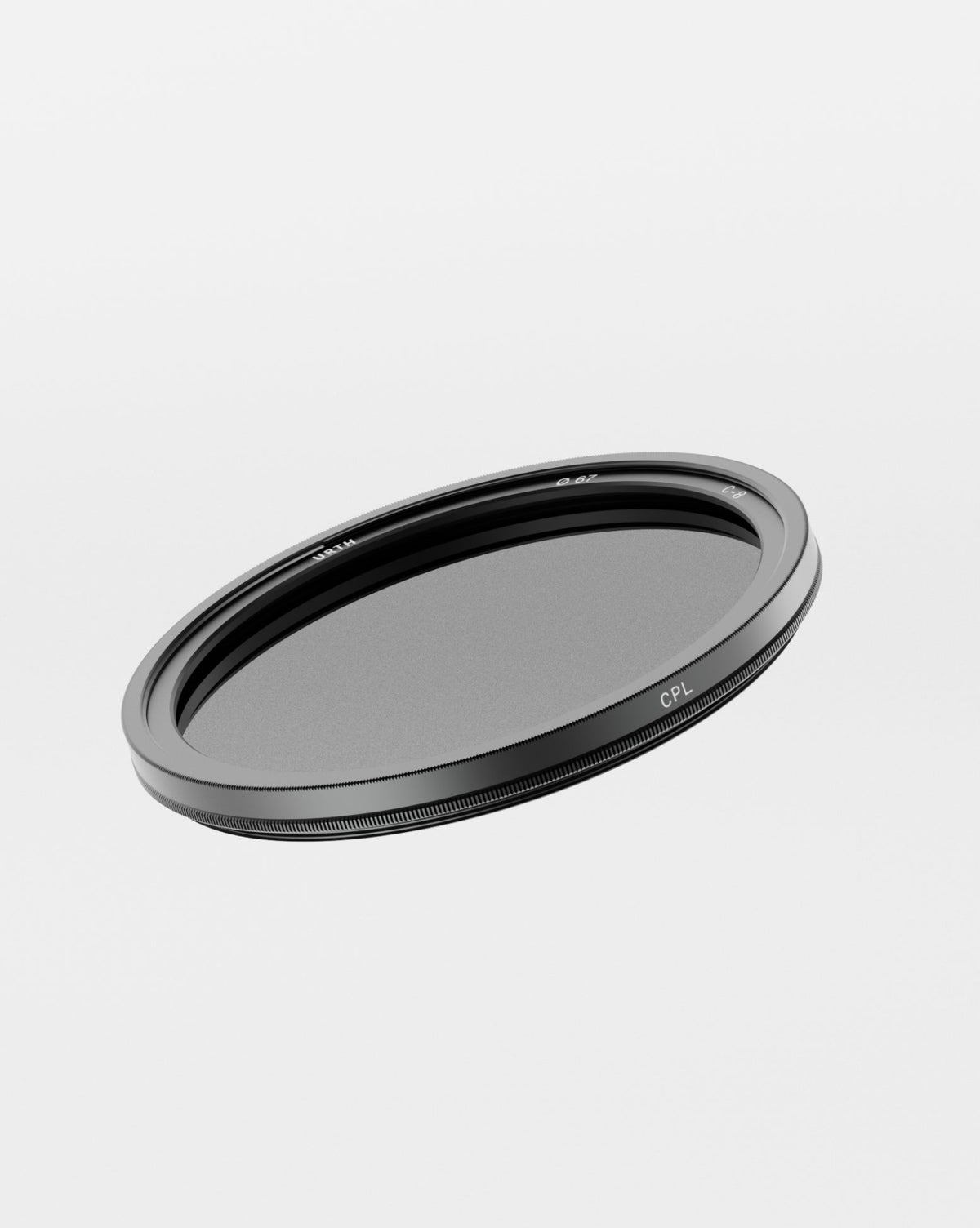
Circular polarising (CPL) filters from Urth, for deeper blue skies and fewer reflections on water and glass. More about this range
Filters
15 products
Not quite right? Keep looking
About Polarising (CPL) Filters
A circular polariser (CPL) cuts reflected light. Turn the front ring and you can darken a blue sky, remove glare from water so you see beneath the surface, take reflections off shop windows and bring out colour in wet leaves. It is the one filter effect you cannot reproduce in editing.
A polariser works best at about 90 degrees to the sun and costs you roughly one to two stops of light, so your camera will choose a slower shutter speed or higher ISO. On very wide lenses the effect can look uneven across a clear sky.
Not sure what fits your kit? Call us on 01423 538138, email sales@bassandbligh.com, or bring your camera into the shop in Harrogate, open Monday to Saturday, 9:30am to 5pm.
Frequently asked questions
What does a polarising filter do?
It blocks polarised light reflecting off surfaces such as water, glass, leaves and haze in the sky. The result is richer colour, darker blue skies and fewer reflections.
Why is it called circular?
Circular polarisers are built so they do not confuse the autofocus and metering systems in modern cameras. Linear polarisers can, so CPL is the type to buy for any digital or autofocus film camera.
Can I use a polariser with a UV filter on?
You can stack them, but on wide lenses two filters can darken the corners. Most photographers swap the UV filter for the polariser when they need it.
See also: All lens filters · ND filters · Filter kits
 Open Mon–Sat, 9:30am–5pm
Real people, in a real shop
An independent Harrogate camera shop for over 60 years. Ask us anything, or come in and try it in your hands.
6 Beulah Street, Harrogate · Mon–Sat 9:30am–5pmGet directions
- 4.9 on GoogleFrom 137 reviews by real customers.Read the reviews
- Every used item testedChecked and tested in our Harrogate shop, with a warranty on every item.Shop used kit
- Part-exchange welcomePut your old kit towards something new, or sell it to us outright.Get a quote
- Order by 2pm, with you next working dayIn-stock orders go out the same day by insured DHL Express for next-working-day delivery (£5.99 UK), or collect free from the shop.Delivery details