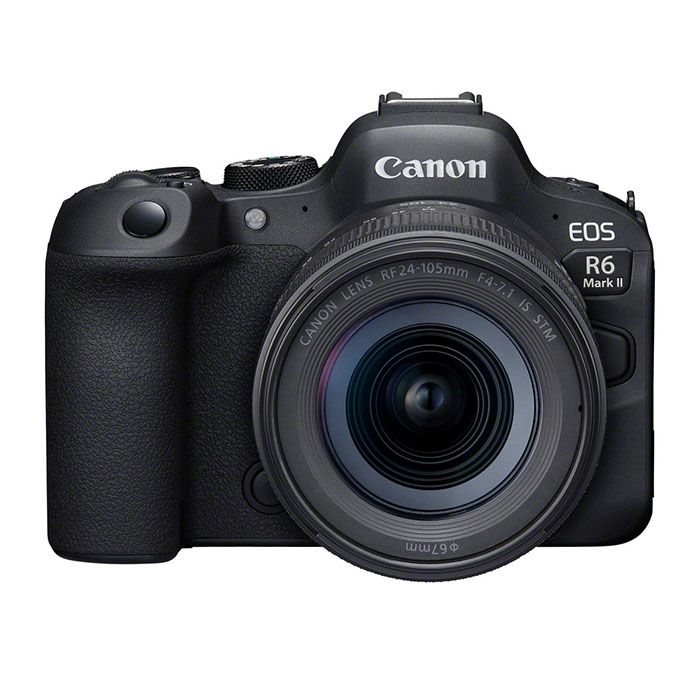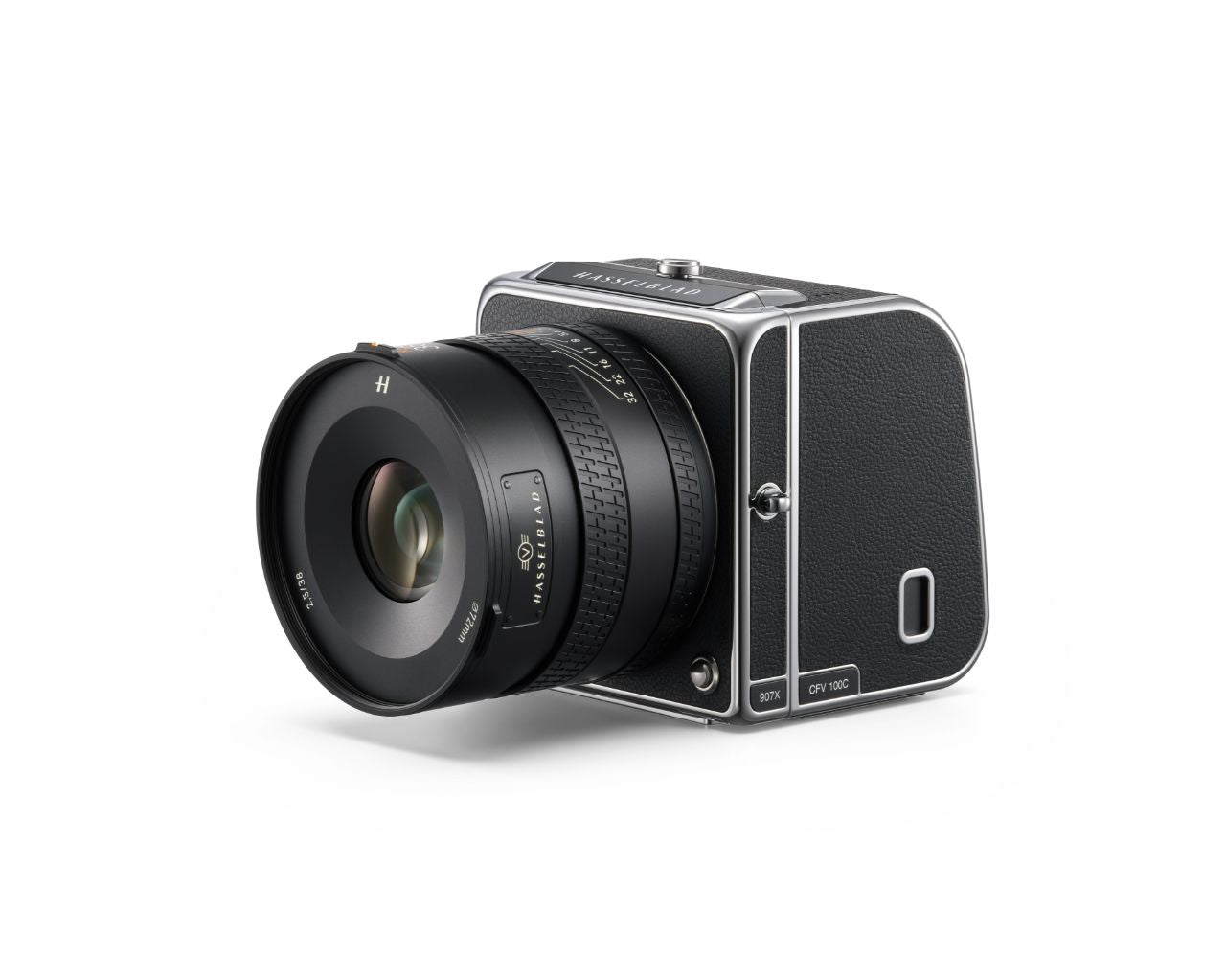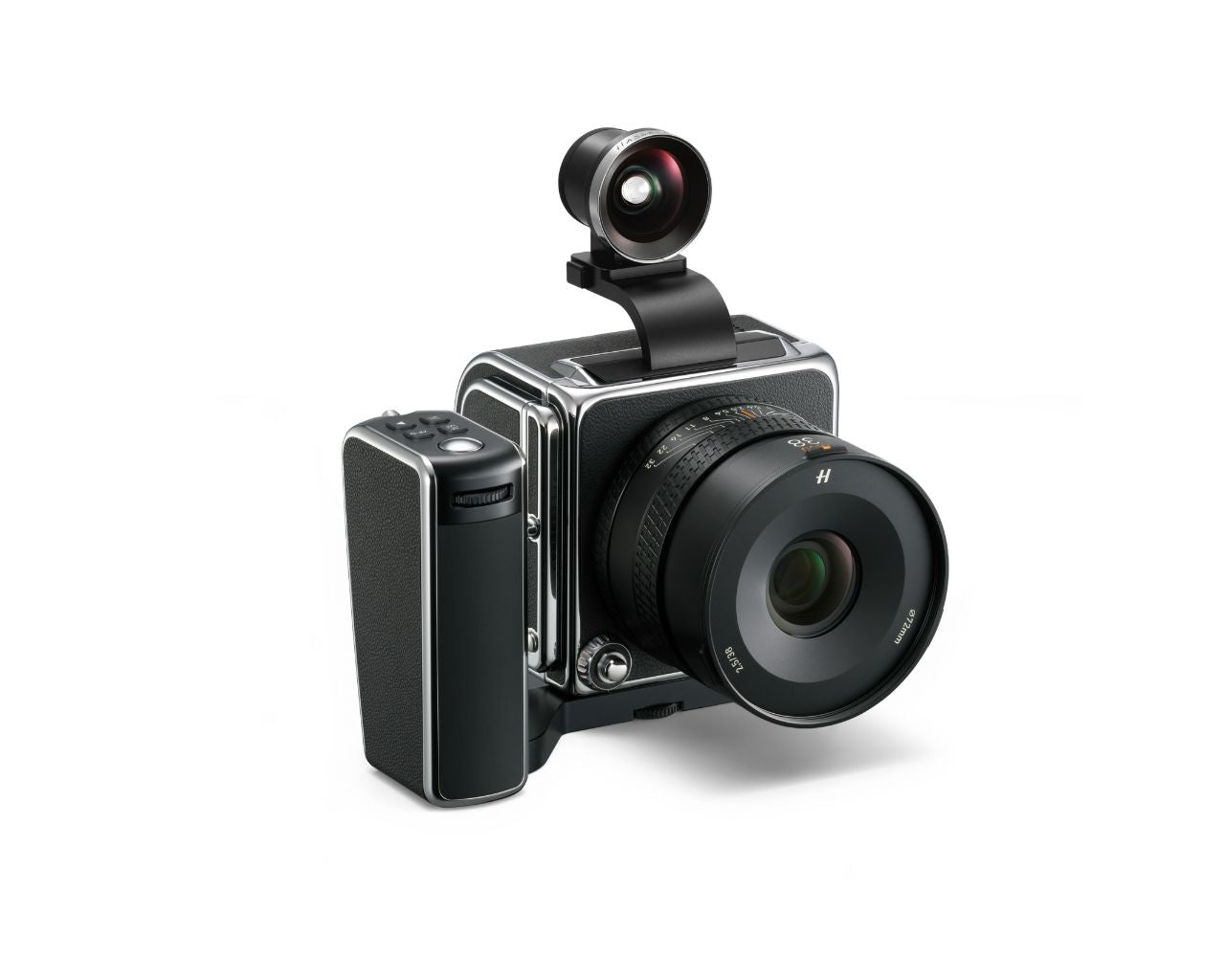

The right camera and lens depend more on what you photograph than on the price: wildlife needs reach and fast autofocus, landscapes need a tripod and a wide lens, and portraits need a fast short telephoto. For most people a modern mirrorless body is the right starting point, and the lens matters more than the camera. This guide covers nine types of photography: what matters for each one, a starter kit, a step up, and whether buying used makes sense.
Camera and lens by type of photography: quick comparison
Focal lengths below are full-frame equivalents. On an APS-C body, divide by about 1.5 to get the lens you need; on Micro Four Thirds, divide by 2. So a 100–400mm on APS-C frames like a 150–600mm on full frame.
| Type of photography | Key lens range | What to prioritise | Good used buys |
|---|---|---|---|
| Wildlife and birds | 400–600mm and beyond | Reach, subject-detect autofocus, burst rate | Telephoto zooms, recent APS-C bodies |
| Landscape | 16–35mm and 70–200mm | Resolution, dynamic range, tripod, weather sealing | Wide zooms, older high-resolution bodies |
| Portraits | 50–135mm | Wide aperture, eye autofocus, skin tones | Fast primes, 70–200mm f/2.8 zooms |
| Street and travel | 24–50mm | Small size, quiet shutter, low weight | Small primes, premium compacts |
| Sport and action | 70–200mm to 400mm | Tracking autofocus, burst rate, fast aperture | 70–200mm f/2.8 zooms, pro bodies one generation old |
| Macro | 90–105mm macro (1:1) | True 1:1 magnification, stabilisation, light | Macro primes, which wear well |
| Astro and night | 14–24mm | Fast aperture (f/2.8 or wider), high-ISO noise, tripod | Fast wide primes, full-frame bodies |
| Video and vlogging | 16–24mm | Flip screen, mic input, stabilisation, heat handling | Recent APS-C bodies, wide zooms |
| Beginners and family | 24–70mm or 18–55mm (APS-C) | Ease of use, good autofocus, size | Entry mirrorless bodies with kit zoom |
What camera and lens do I need for wildlife and bird photography?
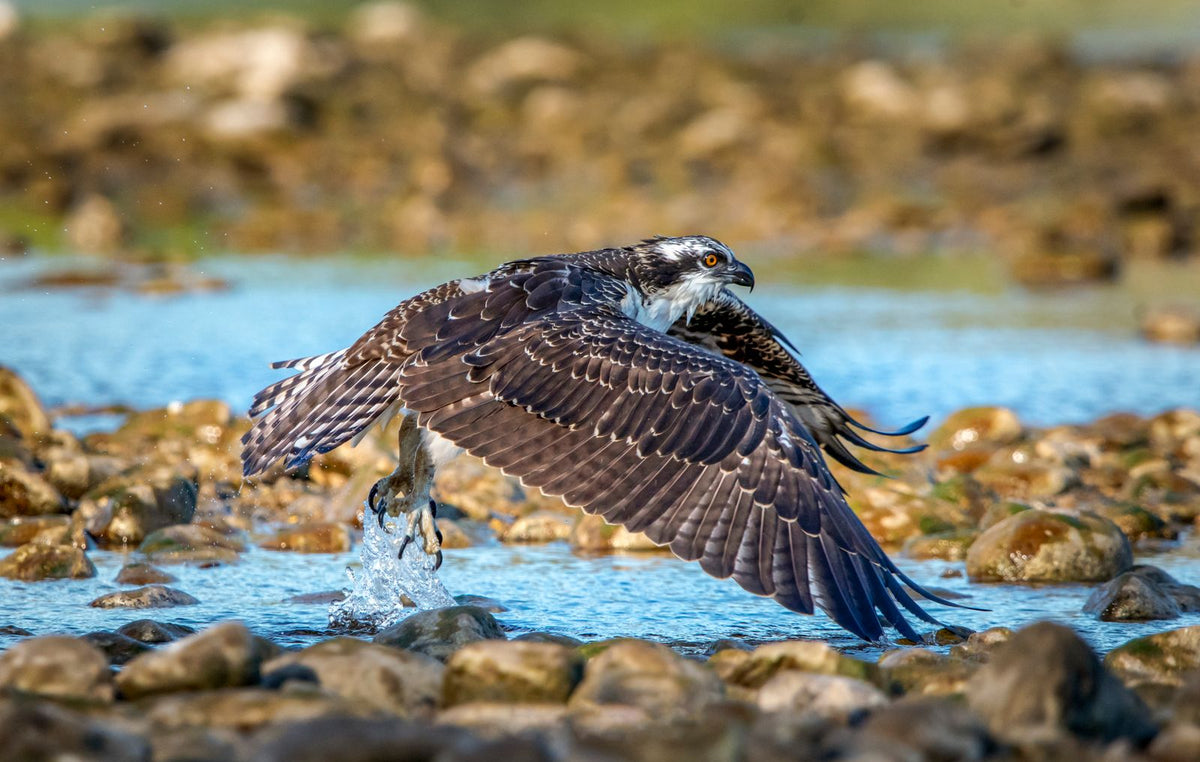
Reach comes first. Small birds need 400mm at the very least, and 500–600mm is better. Deer, hares and larger birds are easier at 300–400mm. A smaller sensor helps here: an APS-C or Micro Four Thirds body puts more pixels on a distant subject for the same lens.
Autofocus matters almost as much. Look for animal and bird eye detection and good tracking, which most mirrorless bodies from the last few years have. A burst rate of 10 frames a second or more catches wingbeats and take-offs. Weather sealing and in-body or lens stabilisation earn their keep on wet, grey British mornings.
Weight is the trade-off. A 150–600mm zoom typically weighs around 2kg, which is fine from a hide but tiring on a long walk. A monopod or a beanbag on a car window helps more than a heavy tripod.
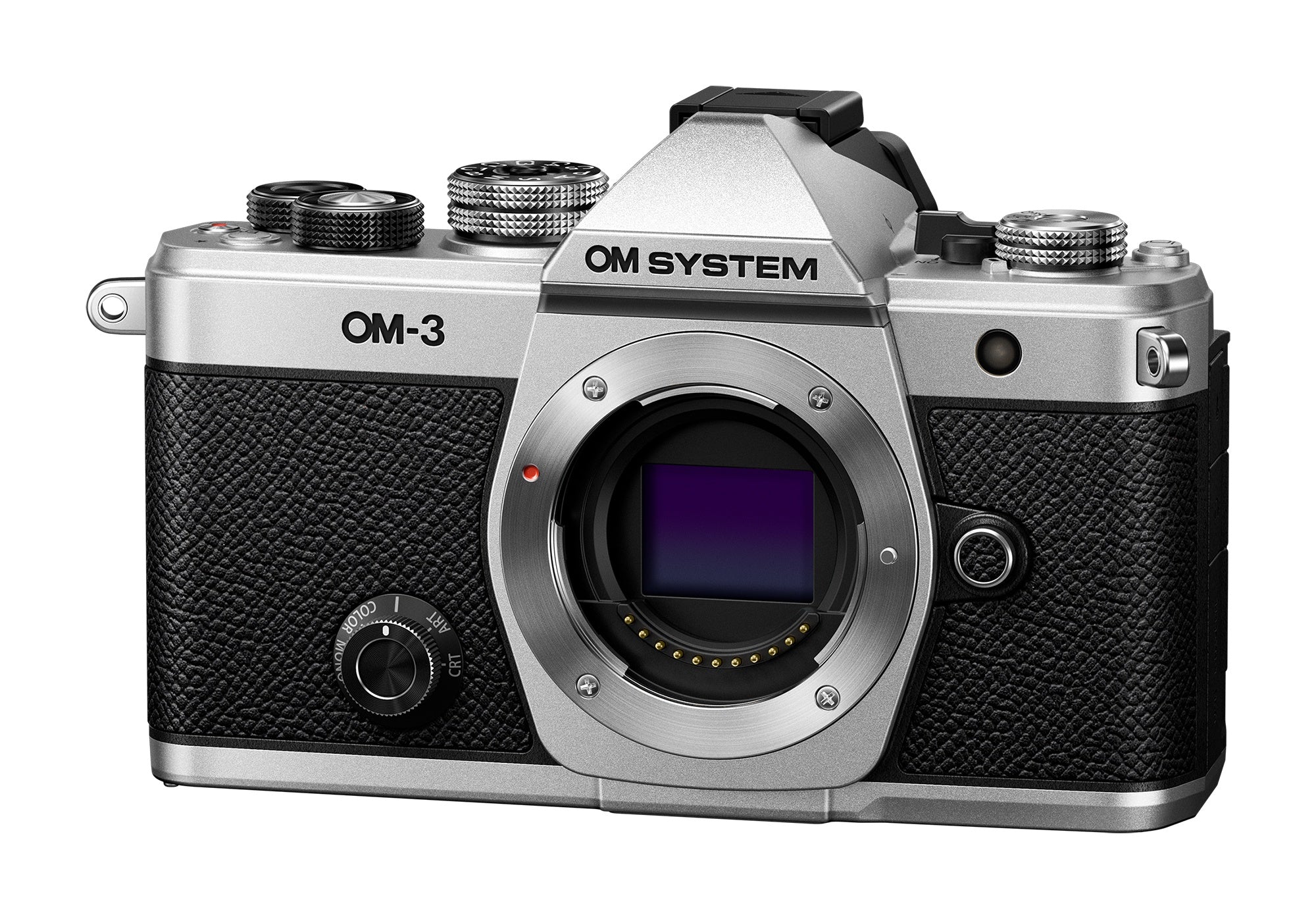
- Starter kit: an APS-C mirrorless body with a 100–400mm or 150–600mm zoom, such as Fujifilm's XF 100–400mm or a Sigma or Tamron 150–600mm. A Micro Four Thirds body with OM System's 100–400mm is lighter still.
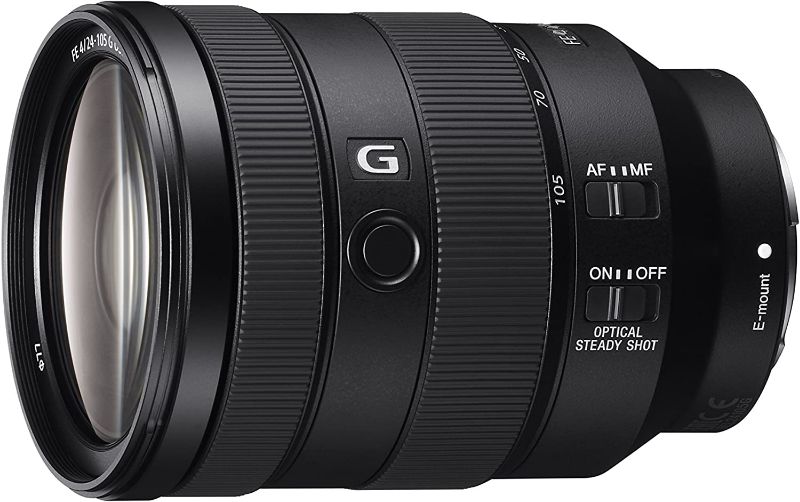
- Step up: a full-frame or stacked-sensor body with a sharp long telephoto zoom, such as Nikon's Z 180–600mm or Sony's FE 200–600mm G, or a 500mm or 600mm prime.
- Used? Yes, especially for long lenses. A used telephoto zoom is often the biggest saving in a wildlife kit. Check the zoom and focus rings carefully, as these lenses work hard. How to check a used lens.
Most wildlife photographers carry binoculars too. They're quicker for finding a bird than looking through a long lens, and they're lighter to hold while you wait. See our binoculars or used binoculars. For distant waders, a spotting scope goes further.
Browse used lenses, used mirrorless cameras, OM System lenses and Sigma lenses.
Landscape
Landscape is the one style where autofocus barely matters. What counts is resolution, dynamic range (detail in bright skies and dark shadows together) and a steady tripod. A wide zoom such as a 16–35mm covers most scenes, and a 70–200mm picks out distant hills and layers of mist.
Aperture matters less than you'd think, because you'll usually shoot at f/8 to f/11 for depth. That means a slower f/4 zoom is lighter and cheaper with no real loss. Weather sealing helps on the moors and the coast. A tripod lets you use low ISO and long exposures, and a remote release or the self-timer stops shake.
- Starter kit: any APS-C or full-frame body with a wide zoom (around 10–20mm on APS-C or 16–35mm on full frame) and a sturdy tripod.
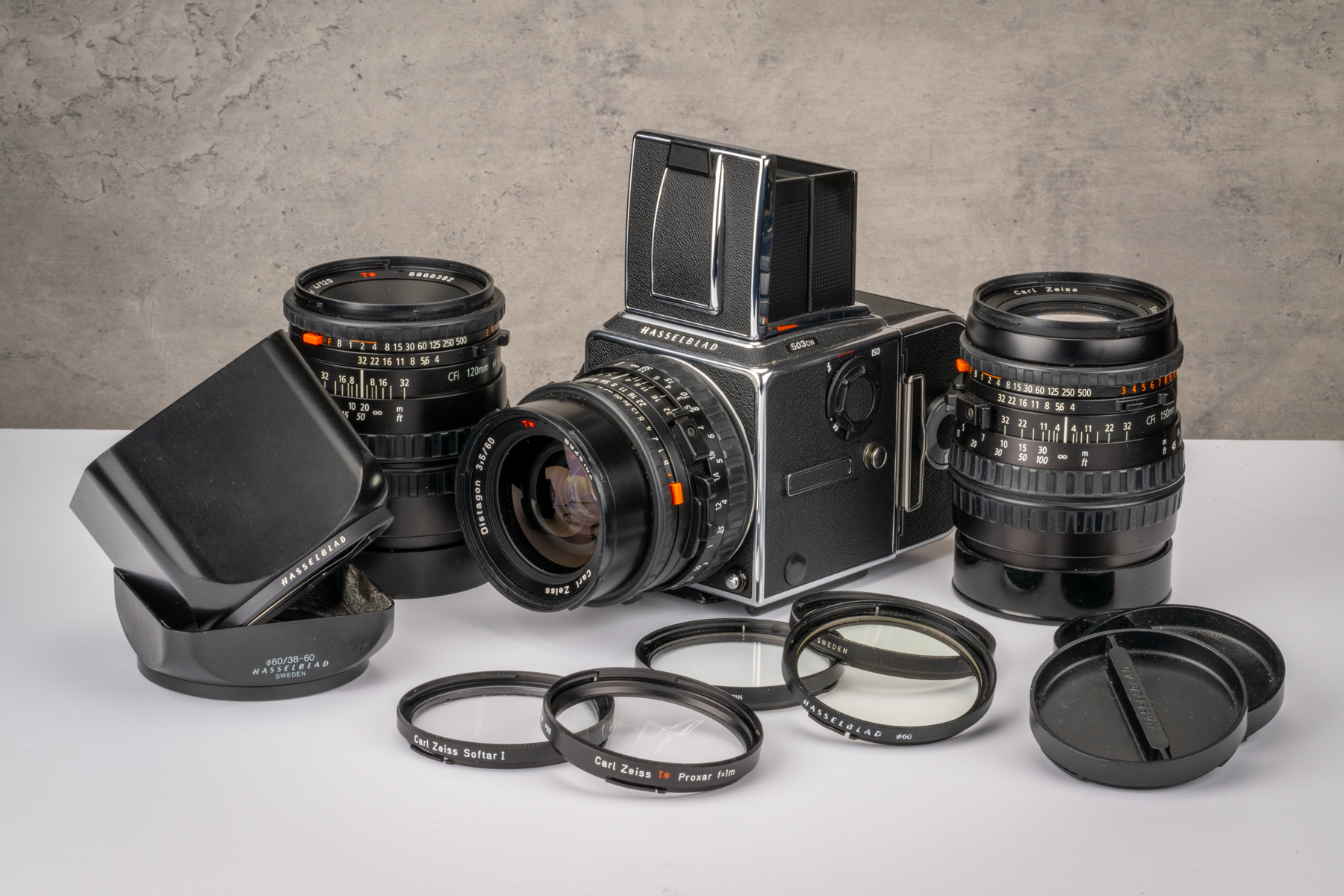
- Step up: a high-resolution full-frame body with f/4 wide and telephoto zooms, or medium format such as the Fujifilm GFX or Hasselblad X system for the most detail.
- Used? Very much so. Landscape work doesn't need the newest autofocus, so an older high-resolution body is excellent value. Check for dust on the sensor and haze in wide lenses.
Browse used cameras, Nikon Z lenses and Fujifilm GF lenses.
What camera and lens do I need for portraits?
A short telephoto is the classic portrait lens. Focal lengths from 85mm to 135mm flatter faces and let you stand a comfortable distance away. A 50mm works well for half-length and environmental portraits. Wide apertures, from f/1.4 to f/2, blur the background and separate the subject.
Eye-detection autofocus is a real help with wide apertures, where the depth of field can be only a few centimetres. Full frame gives the softest backgrounds for a given aperture, but APS-C with a fast prime gets close. Stabilisation and weather sealing matter less unless you shoot outdoors in poor light.
- Starter kit: any recent mirrorless body with a 50mm f/1.8 (or a 33mm or 35mm f/1.4 on APS-C). These lenses are usually small and among the cheapest in each system.
- Step up: an 85mm f/1.4 or f/1.8 prime, or a 70–200mm f/2.8 zoom for events and outdoor sessions.
- Used? Yes. Fast primes have few moving parts and hold up well. Check for fungus and haze, as these spoil the soft, clean look you're paying for.
Browse Fujifilm X lenses, Sony E-mount lenses and used lenses.
Street and travel
Small and quiet beats everything else here. A 28mm or 35mm view suits street work; travel often needs a 24–105mm or 18–135mm (APS-C) zoom to cover cities, landscapes and food in one lens. Weight matters, because a camera left in the hotel takes no pictures.
A silent shutter, a tilting screen and decent battery life all help. Weather sealing is useful for travel. Fast autofocus matters less than how quickly you can turn the camera on and shoot.
- Starter kit: a compact APS-C body with a small prime or a travel zoom, or a premium compact such as the Ricoh GR or a Fujifilm X Series compacts.
- Step up: a small full-frame body with a couple of compact primes, or a rangefinder-style camera.
- Used? Yes, though popular compacts like the Ricoh GR and Fujifilm X100 hold their value. A used compact can be a good second camera.
Sport and action
Sport needs the fastest autofocus you can afford, with good tracking across the frame. A 70–200mm f/2.8 covers indoor sport, pitch-side football at close range and events. Field sport from the touchline often needs 300–400mm. The f/2.8 aperture matters indoors and under floodlights, where light is poor.
Look for a high burst rate, a deep buffer (how many frames it holds before slowing), and fast memory cards. Weather sealing matters for outdoor sport in the UK. Weight is a cost, so a monopod is common at the side of a pitch.
- Starter kit: a recent APS-C mirrorless body with tracking autofocus and a 70–300mm zoom. Kids' football in daylight is well within reach.
- Step up: a full-frame body with a 70–200mm f/2.8 and a longer zoom such as a 100–400mm.
- Used? Yes, with care. Pro bodies from one generation back are good value, but check the shutter count and wear. How to check a used camera.
Browse Nikon Z cameras, Sony cameras and lenses and used mirrorless cameras.
Macro
A true macro lens reproduces the subject at life size (1:1) on the sensor. Lenses from 90mm to 105mm, such as Nikon's Z MC 105mm or Sony's FE 90mm Macro G, are the usual choice. They give enough working distance to avoid scaring insects or casting a shadow. A 60mm macro is cheaper but puts you closer.
Depth of field is tiny at close range, so you'll stop down to f/8 to f/16. Light becomes the limit. Stabilisation helps handheld, and a small flash or LED panel helps more. A tripod with a macro focusing rail suits still subjects. Focus stacking, built into some bodies, combines several frames for front-to-back sharpness.
- Starter kit: any body with a 60mm or 90–105mm macro lens. Many macro lenses also make sharp portrait lenses.
- Step up: a body with built-in focus stacking, a dedicated macro flash, and a 1:1 lens with stabilisation.
- Used? Very good value. Macro lenses are often lightly used. Check that focus is smooth through the full range.
What camera and lens do I need for astrophotography?
For the Milky Way and stars over a landscape, you need a wide lens with a fast aperture: 14mm to 24mm at f/2.8 or wider. Prime lenses such as Samyang's 14mm f/2.8 are a popular, affordable choice. Full frame gives cleaner images at high ISO, which matters at ISO 3200 and above.
A solid tripod is essential. Exposures run around 10 to 25 seconds before stars start to trail, shorter with longer lenses. Check how well the lens renders stars in the corners, as some wide lenses smear them. Pentax's Astrotracer, on some of its DSLRs, moves the sensor to follow the stars for longer exposures.
- Starter kit: an APS-C or full-frame body, a wide f/2.8 prime and a sturdy tripod.
- Step up: a full-frame body with strong high-ISO performance, an f/1.8 or f/1.4 wide prime, and a star tracker mount.
- Used? Yes. Manual-focus wide primes are simple and durable, and an older full-frame body with good high-ISO noise is ideal.
Video and vlogging
For vlogging, you need a wide lens (16–24mm full frame) so you can hold the camera at arm's length and still fit in. A screen that flips to face you, a microphone input and good stabilisation matter more than resolution. Check how long a body records before it overheats, and whether it shoots 10-bit for colour grading (many entry bodies record 8-bit). Compact APS-C bodies built for vlogging include Sony's ZV-E10 and Nikon's Z30. Used works well here; check the ports and screen hinge.
Beginners and family
An entry-level mirrorless body with its kit zoom covers family days, holidays and the garden. Good face and eye detection means more sharp photos of moving children. Add a 50mm f/1.8 (or 35mm on APS-C) for indoor light and softer backgrounds. A recent used body with its kit lens is a good way in, and a used bridge camera gives long reach in one package.
Buying used: what to know
Lenses outlast bodies. A good lens bought used keeps working through several camera generations, so it's often the smartest place to save. Bodies change faster, so a one-generation-old body is usually the value point. Every used item we sell is tested and graded in our Harrogate shop and has its own warranty, set when we test it and shown on its listing. See how we grade used kit, or browse all used kit and new arrivals.
Not sure? Come and talk it through
The quickest way to choose is to hold a few cameras and lenses side by side. At our shop at 6 Beulah Street, Harrogate, you can try new and used kit from Nikon, Fujifilm, Sony, Hasselblad, Ricoh, Pentax and more, Monday to Saturday, 9:30am to 5pm. Bring the camera you have and tell us what you shoot. We've been helping photographers choose kit for over 60 years.
Upgrading? We take cameras, lenses and optics in part-exchange against new or used kit. Get a part-exchange quote. Or call 01423 538138, email sales@bassandbligh.com, or contact us.