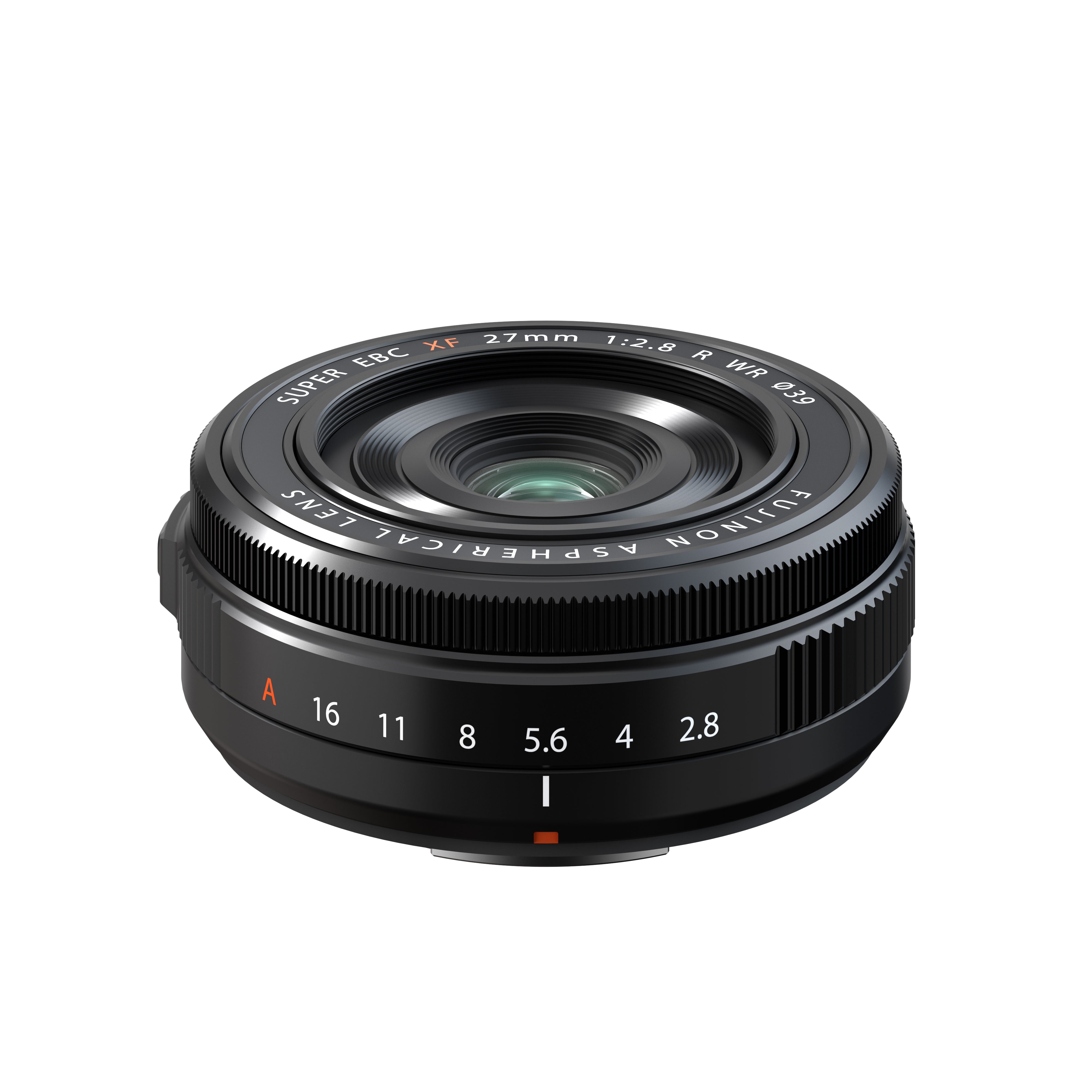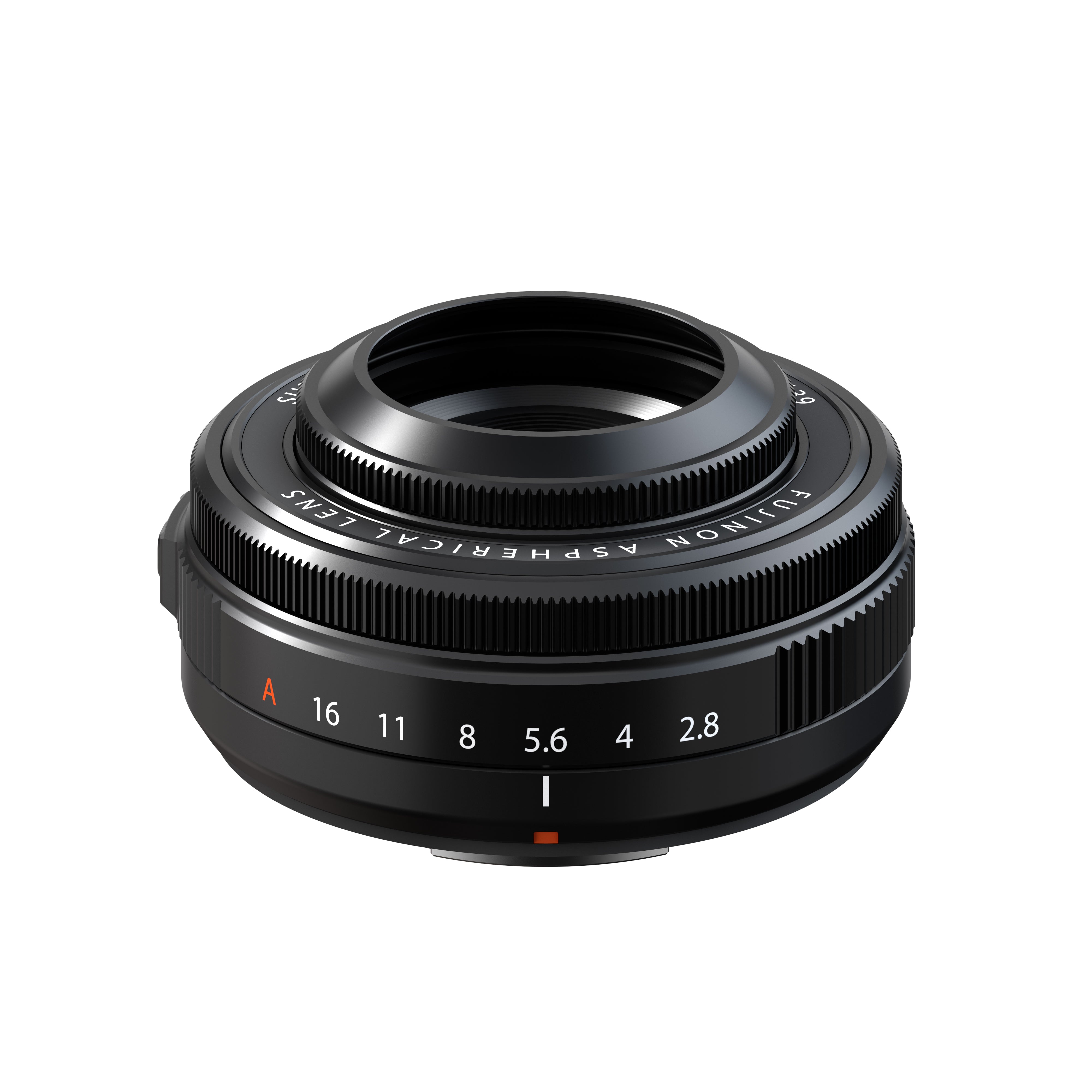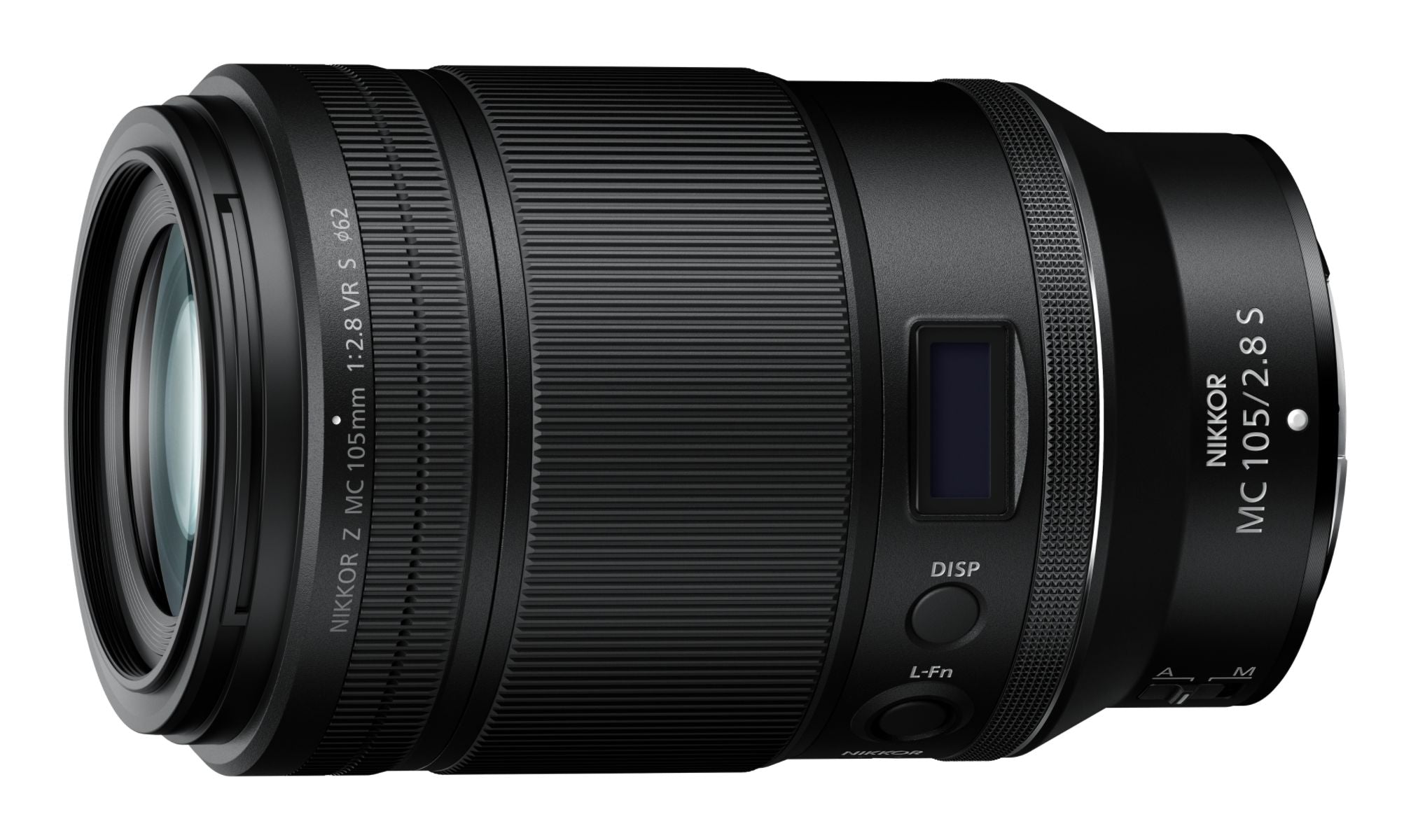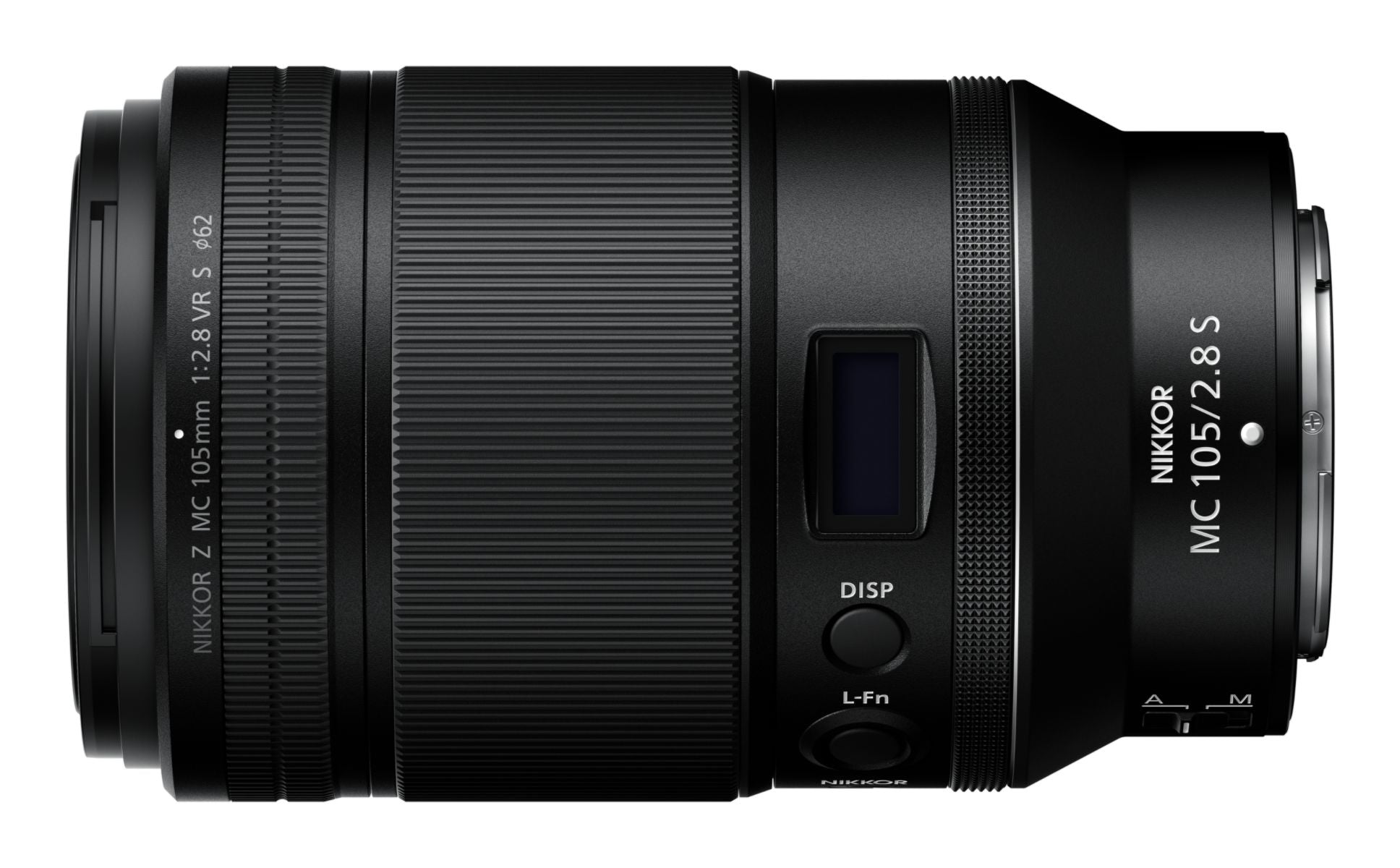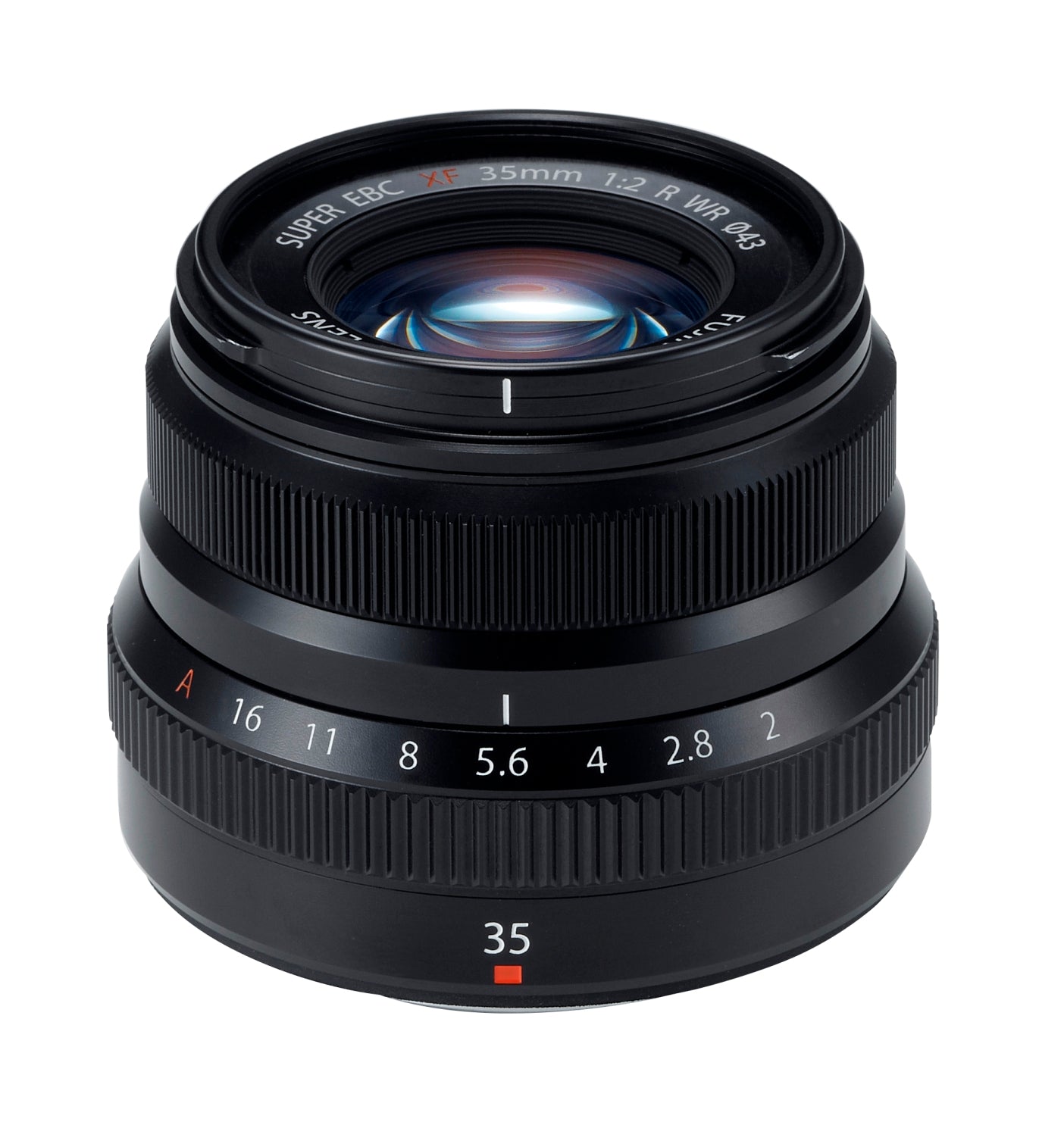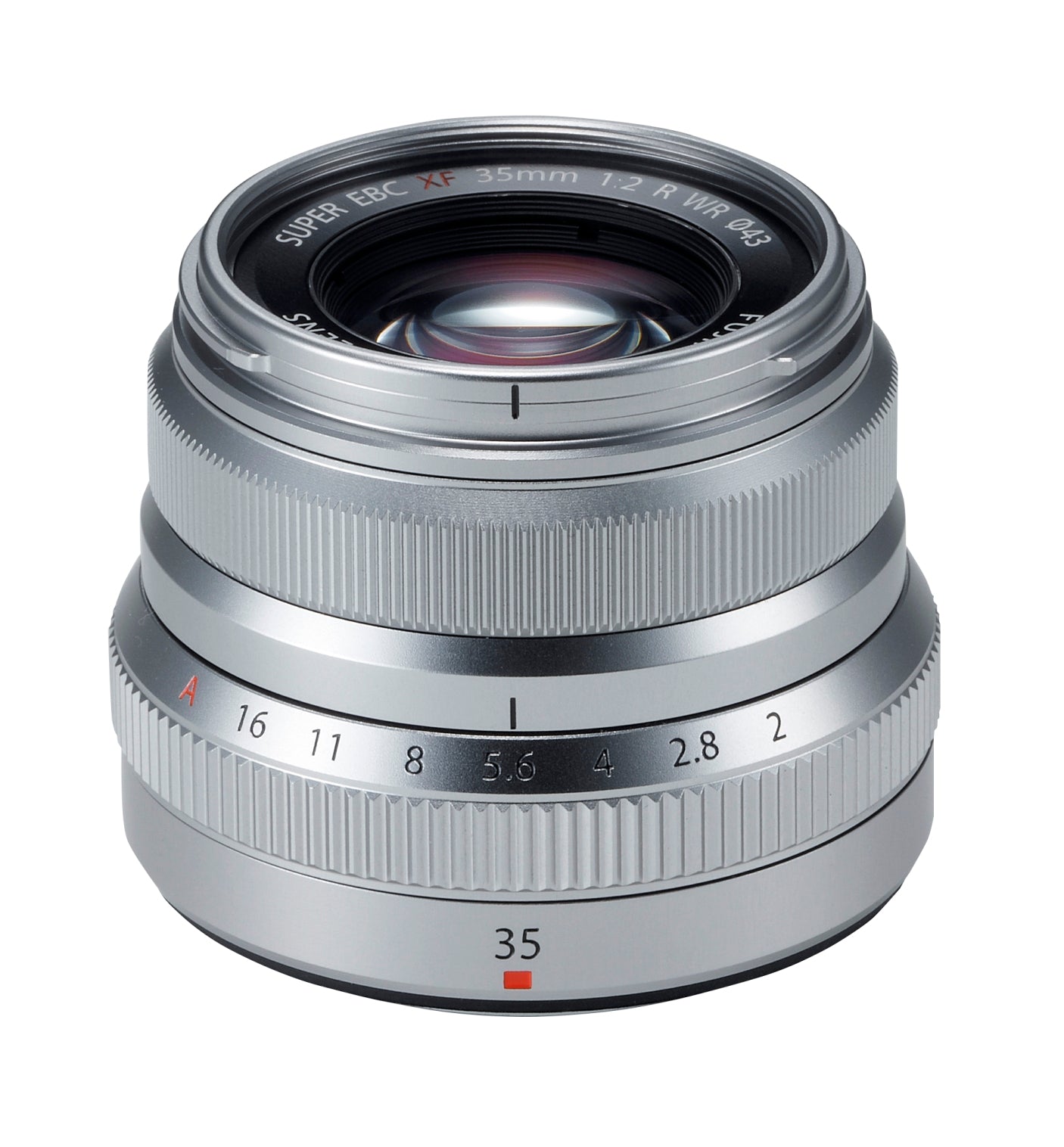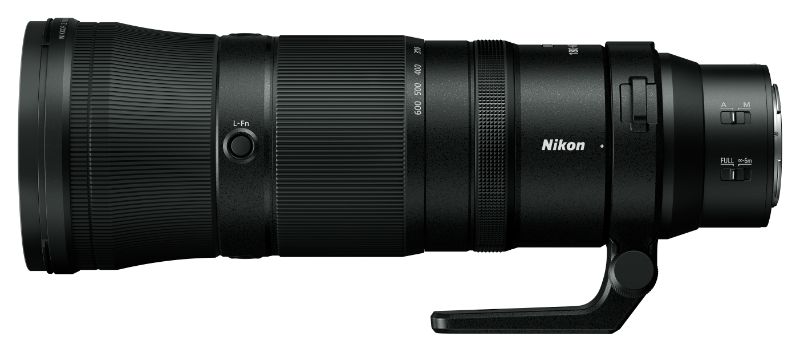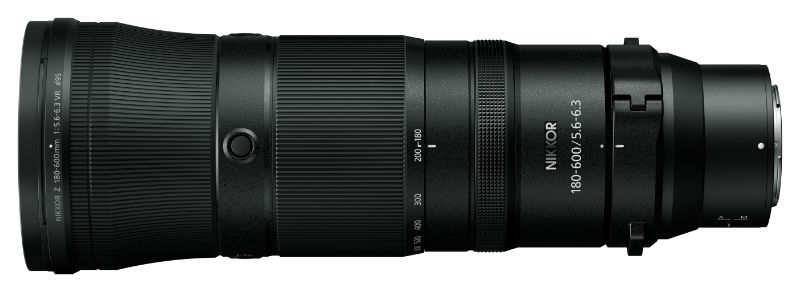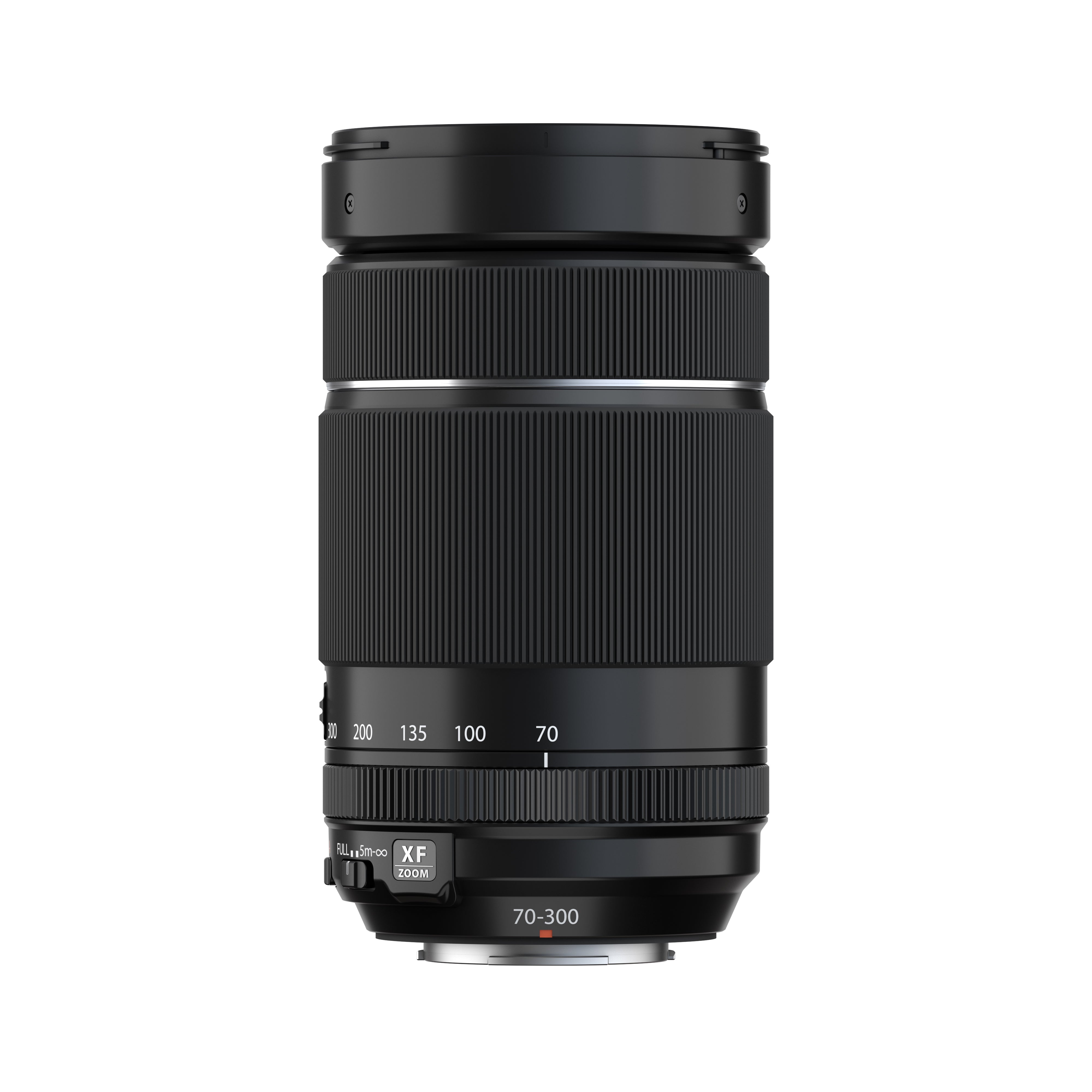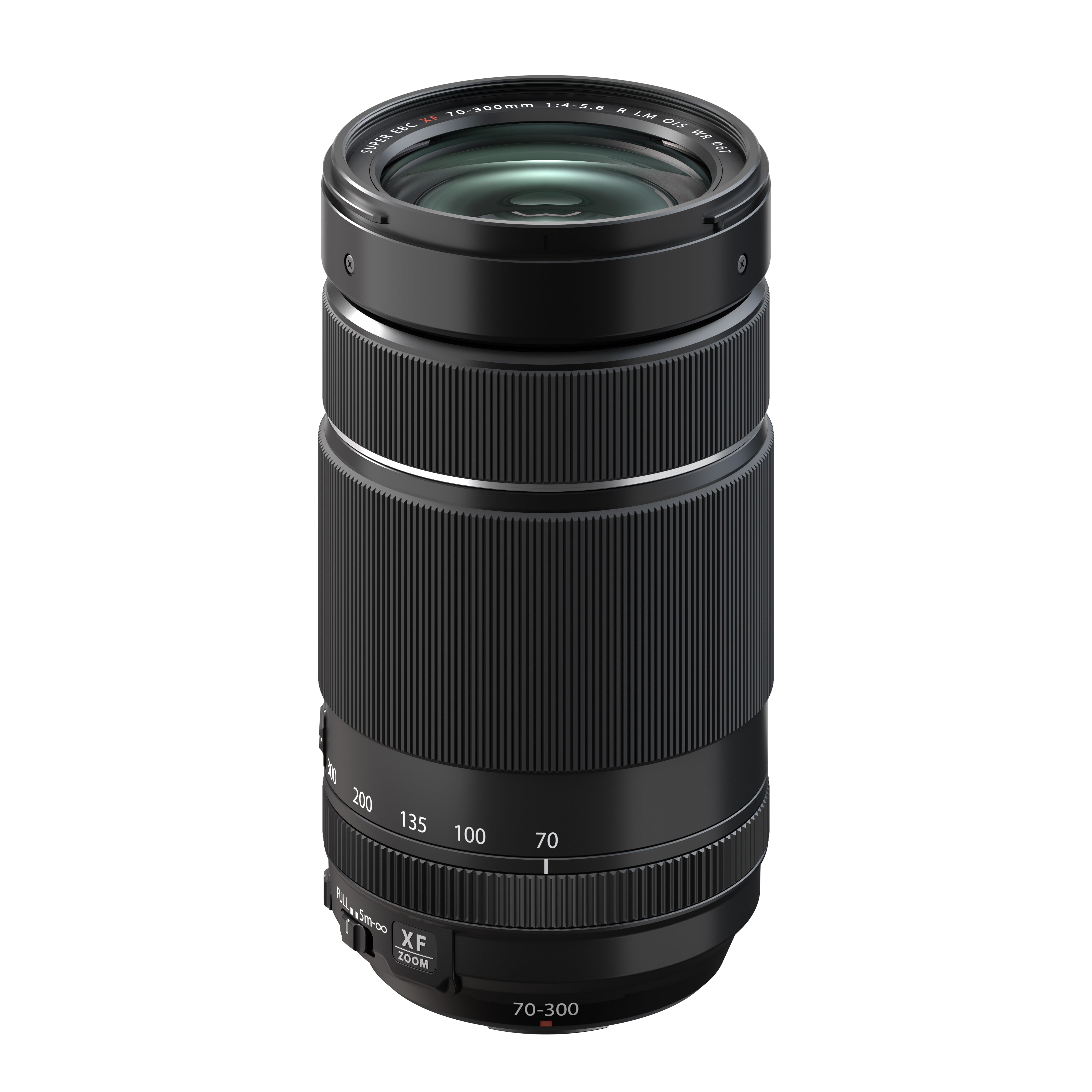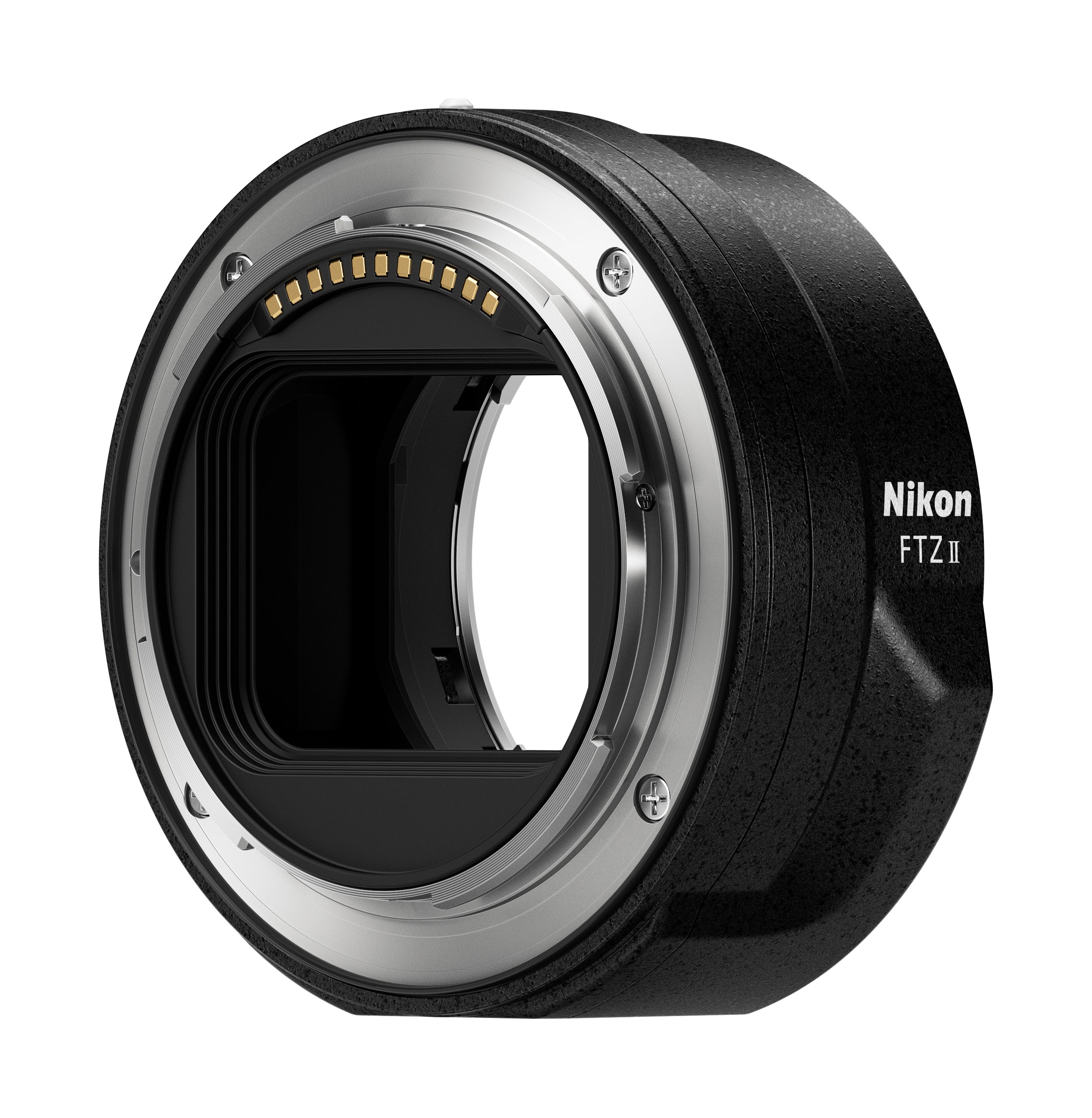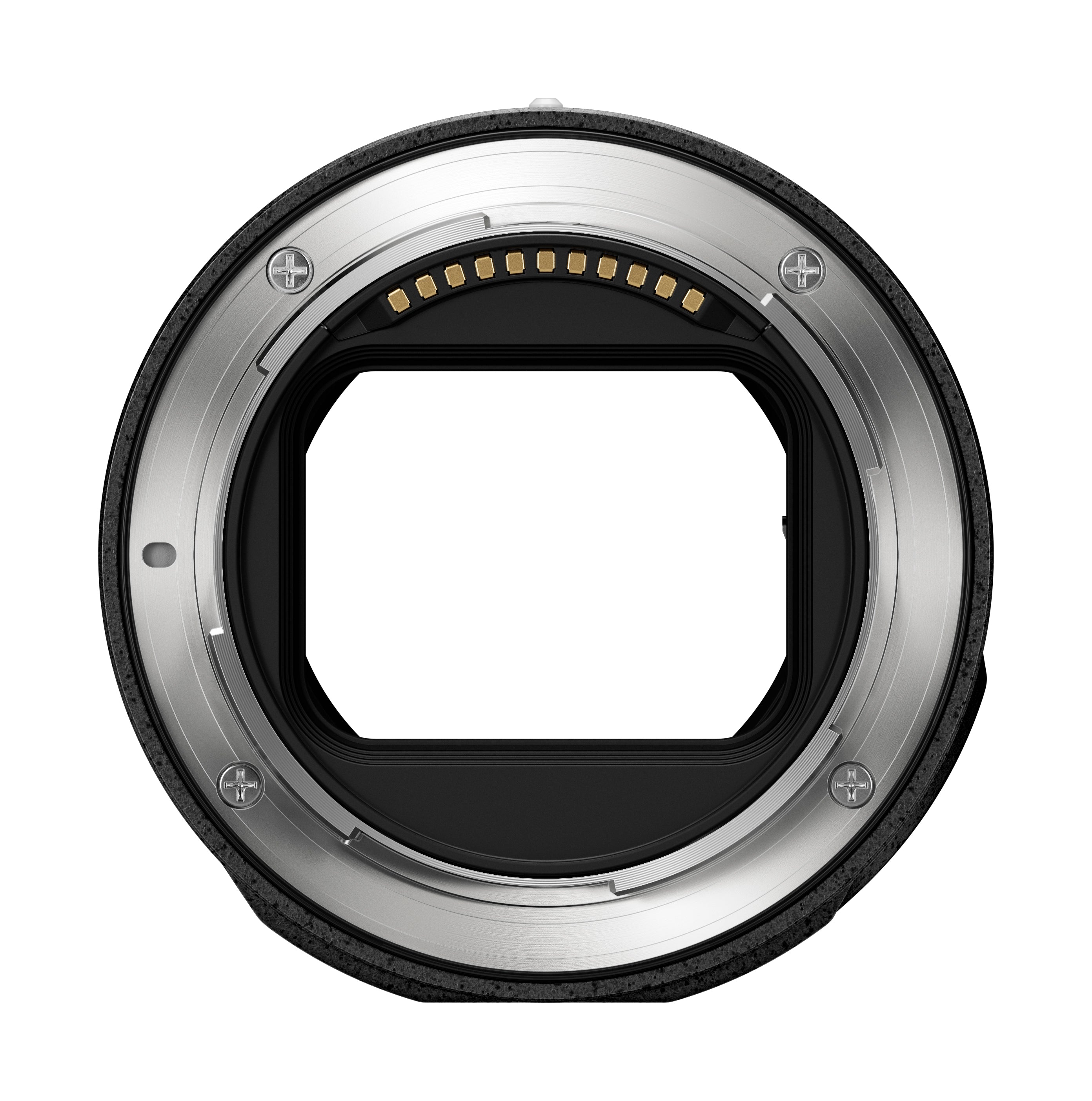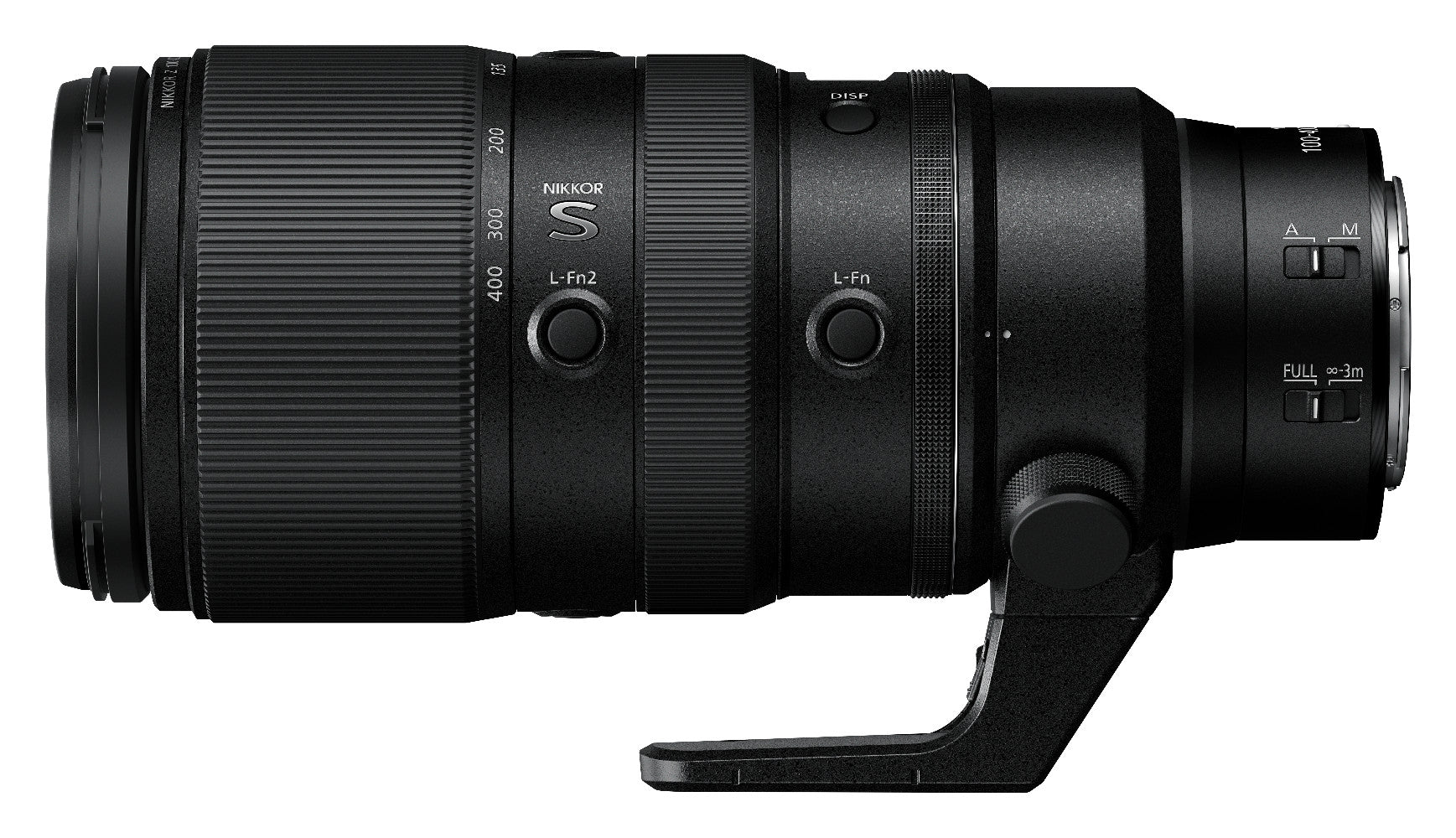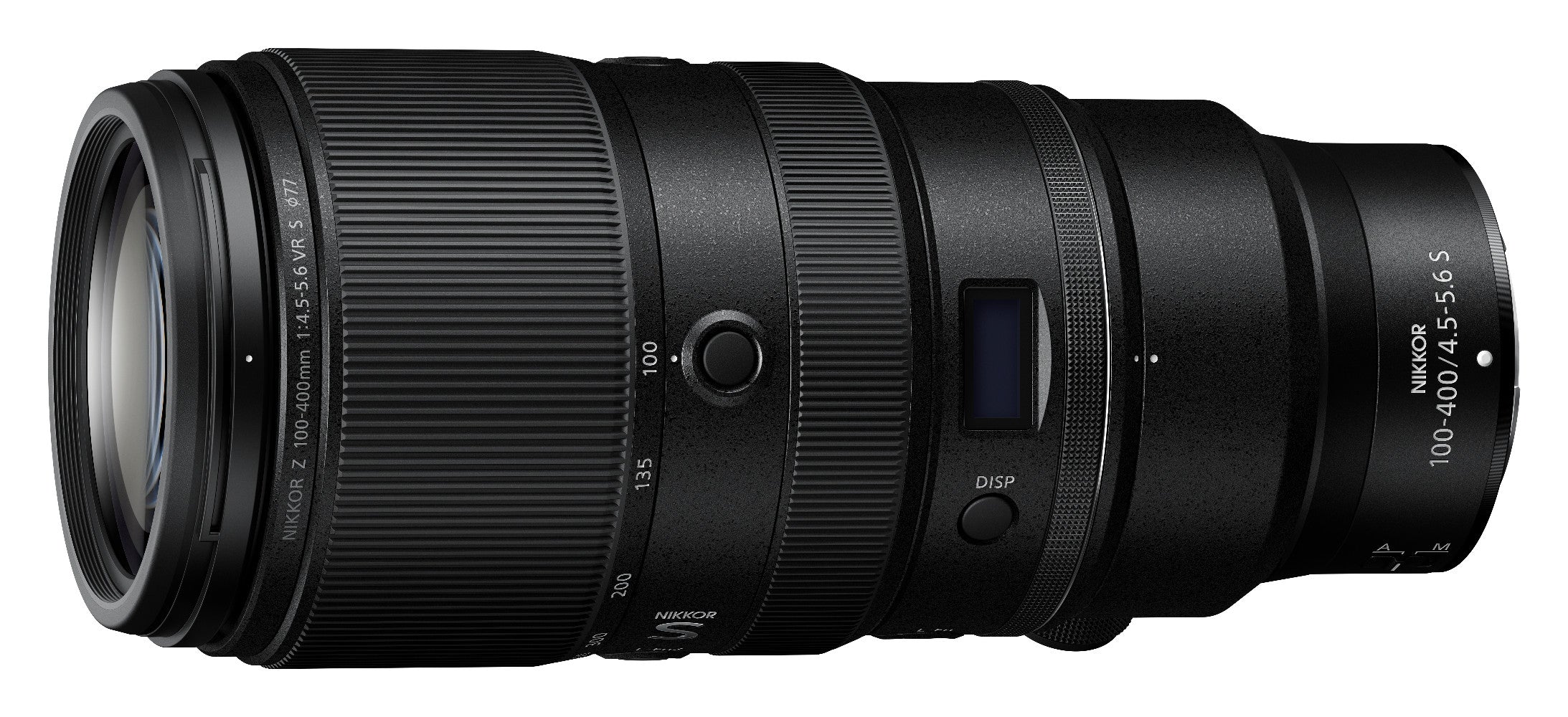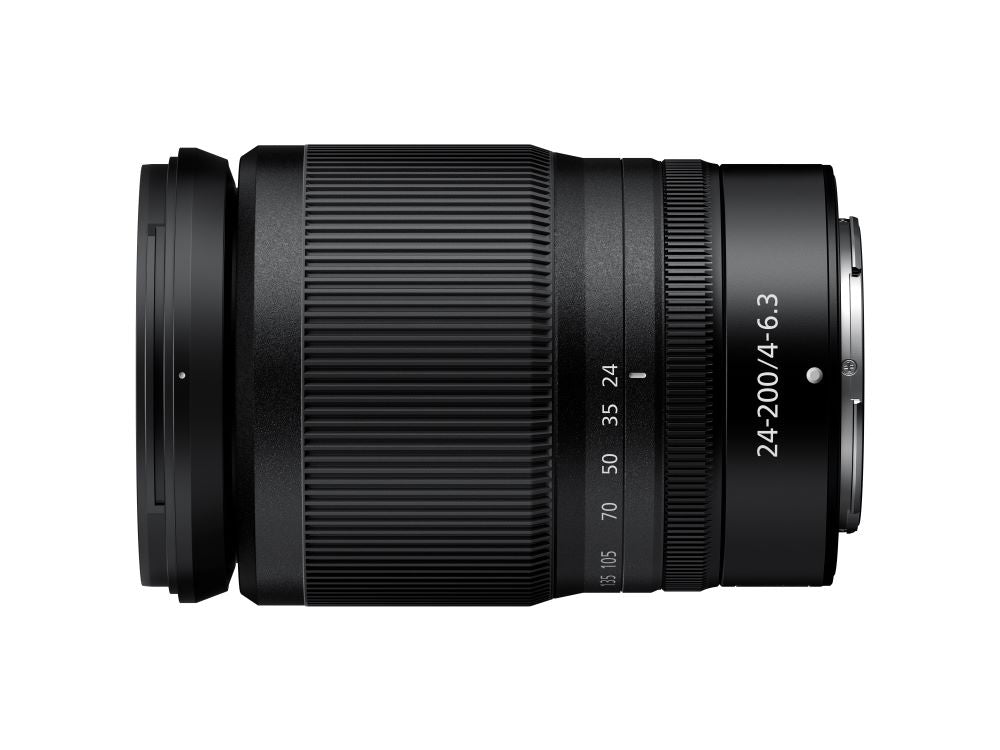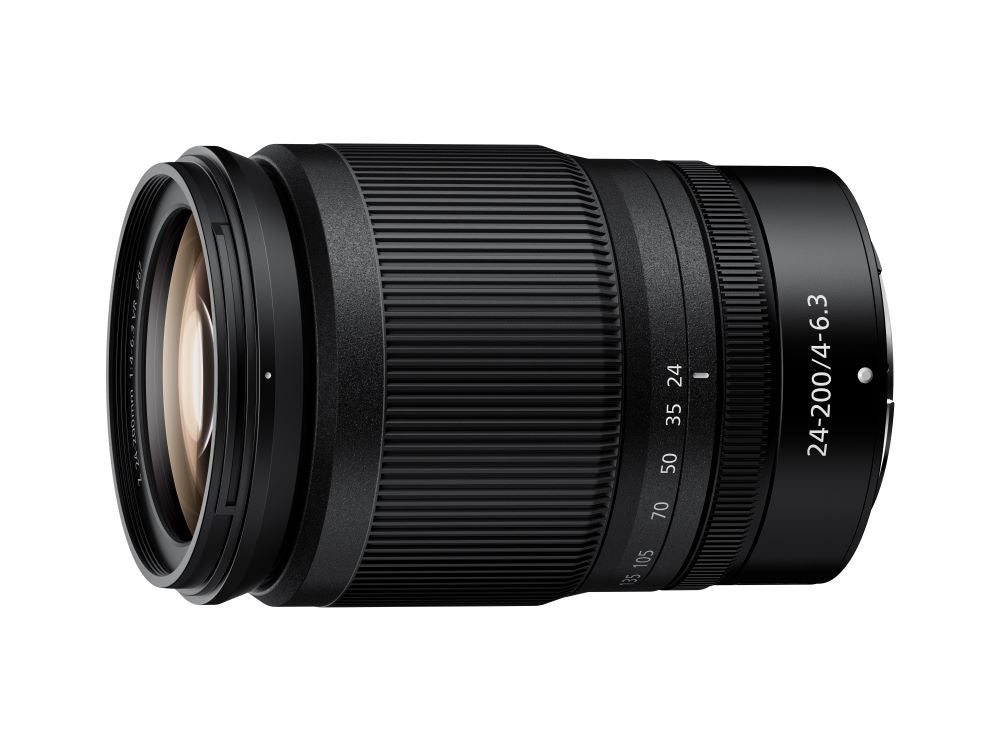

A tested used lens from a dealer is often the most cost-effective way to improve your pictures. Lenses hold their quality far longer than camera bodies, so a well-kept used lens can give you the same sharpness as new for noticeably less money. Before you buy, check six things: the glass, the aperture, the focus and zoom, the autofocus and stabilisation, the mount, and who you're buying from. This guide covers each one, used versus new, what to know for each mount, and adapting old manual lenses to mirrorless cameras.
Is it worth buying a used lens?
Usually, yes. Most of a lens's value is in the glass and the mechanics, and both last for years when looked after. A worn barrel or a faded name ring doesn't change the picture. Used is also the only way to get many discontinued lenses, including most film-era primes.
New makes more sense if you want the latest model, the full manufacturer warranty, or a lens that has only just come out and has few used copies about.
| Used from a dealer | Used, bought privately | New | |
|---|---|---|---|
| Price | Lower than new | Often the lowest | Full price |
| Condition | Tested and graded | As the seller describes it, often untested | Perfect |
| Warranty | The dealer's own, varies by item | Usually none | Manufacturer's |
| Returns | Check the dealer's terms | Rarely | Check the seller's terms |
| Discontinued lenses | Yes | Yes | No |
See the used lenses we have in stock, or browse new lenses.
What to check when buying a used lens
- The glass. Shine a torch through the lens from both ends and look at every surface. Haze (a milky film), fungus (thin, branching threads) and separation (rainbow patches or cloudy edges between cemented elements) are the serious faults, and they are costly or impossible to fix. A few specks of internal dust are normal and don't show in pictures.
- The aperture. The blades should be clean and dry, with no oil on them. On SLR lenses with a lever, stop the aperture down and let it go: it should snap open instantly. Slow or sticky blades cause wrongly exposed shots.
- Focus and zoom. Turn both rings through their full range. They should feel smooth and even, with no grinding, tight spots or wobble. A zoom should hold its position when you point it up or down.
- Autofocus and stabilisation. Mount the lens on a camera. It should focus quickly and quietly at every focal length, without hunting or clicking. If it has stabilisation, the viewfinder image should settle when you half-press the shutter.
- The mount and the barrel. Look for worn or loose bayonet lugs, damaged electrical contacts and dents to the filter thread. A dented front ring often means the lens has been dropped, which can knock elements out of line.
- A test shot. Photograph a flat, detailed subject, such as a brick wall, at the widest aperture. Compare the left, right, top and bottom of the frame. One side clearly softer than the others points to an internal fault.
Used lenses by mount: what to know
- Nikon F (SLR). Older AF and AF-D lenses are focused by a motor in the camera, which entry-level Nikon DSLRs don't have, so they only manual focus on those bodies. AF-S lenses focus on every Nikon DSLR. Most F-mount lenses also work on Nikon Z cameras with the Nikon FTZ adapter, with autofocus on AF-S and AF-P lenses.
- Nikon Z. Z lenses are recent, so most used copies have seen little wear, but check each one as you would any lens. DX lenses are made for the smaller sensor; on a full-frame Z body the camera crops the frame.
- Canon EF and EF-S. EF lenses fit every Canon EOS DSLR. EF-S lenses fit only the APS-C models. Both work on Canon's RF mirrorless cameras with Canon's EF to RF adapter, keeping autofocus and stabilisation, which makes used EF glass good value for new RF owners.
- Canon mirrorless. RF lenses fit Canon's full-frame and APS-C mirrorless bodies. RF-S lenses are made for APS-C, and the camera crops when one is used on full frame.
- Sony. All E-mount lenses fit all E-mount cameras. FE lenses cover full frame; plain E lenses are for APS-C and trigger a crop mode on full-frame bodies. Check which you're looking at before you buy.
- Fujifilm X. XF lenses have metal builds and, on most models, an aperture ring. XC lenses are lighter and cheaper. Both fit every X-mount camera.
- Micro Four Thirds. OM System, Olympus and Panasonic lenses share one mount, so they swap between those brands' bodies.
- Leica. Leica lenses are built to last, so the glass matters most. On M lenses, check that focus is accurate on your own camera at the widest aperture, as rangefinder focusing depends on the lens and body agreeing.
- Pentax K. The K mount has been used for decades, so many old manual Pentax lenses fit current Pentax DSLRs, with some limits on metering and aperture control.
- Film-era manual lenses. Older primes from Nikon, Canon FD, Olympus OM, Minolta, Pentax and others. Many are excellent and good value, either on the film cameras they were made for or adapted to mirrorless.
Adapting manual film lenses to mirrorless cameras
Mirrorless cameras have a short distance between the mount and the sensor, so most SLR lenses can be fitted with a simple adapter. You focus by hand, helped by focus peaking and the magnified view in the viewfinder.
- What works well. Manual lenses with their own aperture ring, such as Nikon AI and AI-S, Canon FD, Olympus OM, Minolta MD and Pentax K, are the easiest to adapt.
- What needs more. Lenses without an aperture ring, such as Nikon G and Canon EF, need an adapter that controls the aperture. Autofocus through third-party adapters varies by lens and camera.
- Camera settings. Turn on the setting that lets the shutter fire without a lens recognised. If your camera has in-body stabilisation, enter the lens's focal length so it works properly.
- The adapter itself. It should lock in firmly on both sides with no play. Check the lens still focuses to infinity: a poorly made adapter can stop it short or let it focus past.
- Sensor size. On an APS-C or Micro Four Thirds camera, a film lens gives a narrower view than it did on film.
How do I know if a used lens price is fair?
Compare it with the same lens new today, or with its replacement if it's discontinued. Then allow for condition, age and what's included: caps, hood, case and the original box all add value. Popular lenses hold their value well, so a very low price on a well-known lens is worth questioning. Compare a few listings before you decide.
Buying privately or from a dealer?
Private sales and auction sites can be cheaper, but faults like haze, oily blades or a decentred element are easy to miss in photos, and there's rarely a warranty or an easy return. A dealer should test each lens, describe it honestly and stand behind it.
Every used lens we sell is tested and graded in our Harrogate shop and has its own warranty, set when we test it and shown on its listing. Any haze, fungus or marks on the glass are always written in the notes, and they cap the grade at Fair. See how we grade used kit.
Try it on your camera
Bring your camera to our shop on Beulah Street, Harrogate, and try a lens on it before you buy. You can check the focus, take test shots and compare used with new. We're open Monday to Saturday, 9:30am to 5pm. If you can't visit, call 01423 538138 or email sales@bassandbligh.com and ask for photos of the exact lens. Choosing a body as well? Read our guide to buying a used camera. Used stock changes often, so see what's just arrived.
Selling or upgrading?
We buy used lenses and cameras, and take them in part-exchange against new or used kit. We'll need to see the item to confirm a final price. Get a part-exchange quote.