
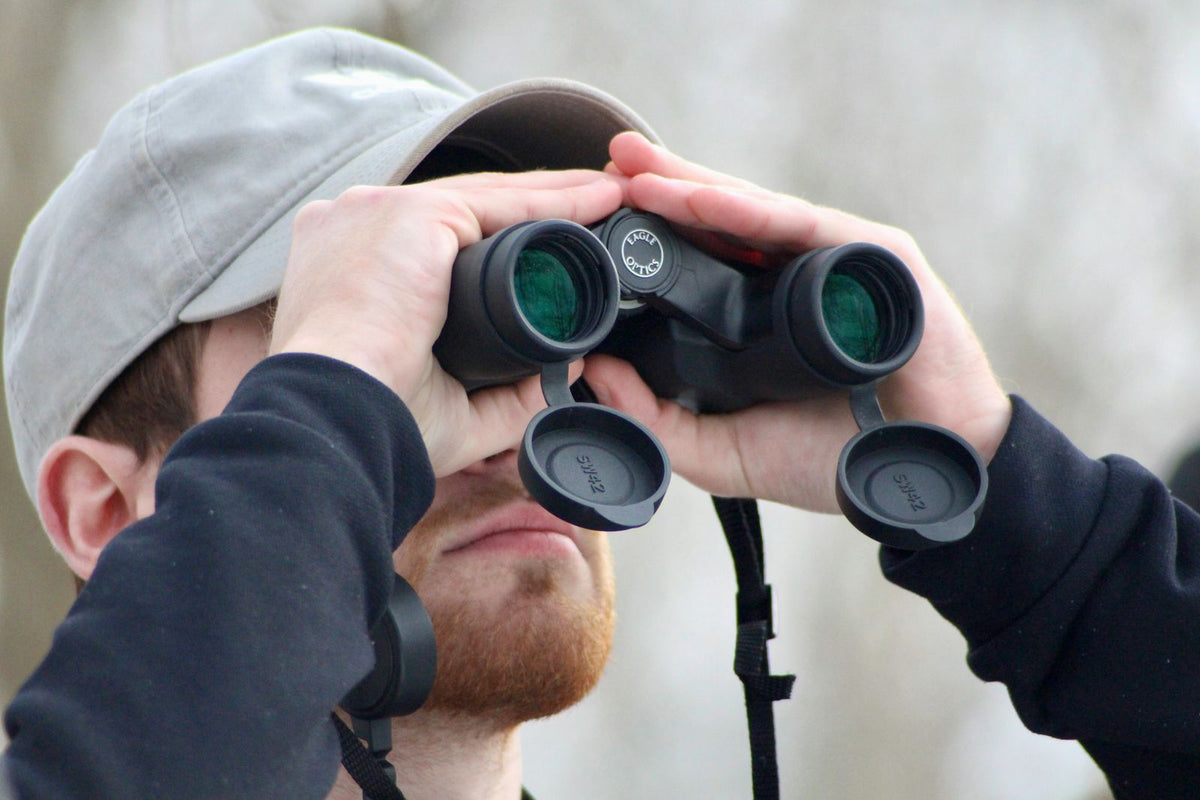
For most birdwatchers, an 8x42 roof-prism binocular with ED glass, a wide field of view and a close focus of about 2 metres is the right place to start. Choose 10x42 if you mostly watch open water and coasts, or 8x32 if weight matters most. After size, the things that make the biggest difference are the glass, the field of view, eye relief if you wear glasses, and how the pair feels in your hands. This guide explains each one and what you get at each budget.
8x42, 10x42 or 8x32: which size for birdwatching?
The first number is the magnification. The second is the width of each front lens in millimetres. More magnification brings birds closer but narrows the view and shows more hand shake. Bigger lenses give a brighter image but add weight. Divide the second number by the first to get the exit pupil in millimetres: an 8x42 has 5.25mm, a 10x42 has 4.2mm, and bigger means brighter in poor light.
| Size | Where it works well | Trade-off |
|---|---|---|
| 8x42 | Woodland, gardens, hedgerows, mixed habitats, dawn and dusk | Birds look a little smaller than at 10x |
| 10x42 | Estuaries, reservoirs, moorland, coasts | Narrower view, harder to hold steady, harder to find small birds in cover |
| 8x32 | Long walks, travel, all-day carry | Slightly less bright in the last light |
If you mainly watch distant waders and wildfowl, consider an 8x42 for general use and a spotting scope for distance. That combination is often more practical than a single high-magnification binocular. See our guide to buying a used spotting scope.
Roof prism or porro prism?
Prisms turn the image the right way up. There are two main designs, and compacts come in either.
- Roof prism. Straight barrels, slim and easy to hold in one hand. Easier to seal against water and dust, which is why most birding binoculars today are roof prisms. A roof prism needs good coatings to be sharp, so a cheap roof pair can be worse than a good porro at the same price.
- Porro prism. The traditional zigzag shape with the front lenses set wider apart. This gives a slightly more three-dimensional view and good value at lower prices. Porros are bulkier, and fewer are fully waterproof.
Compact binoculars have front lenses of 25mm or less and use either design. They fit in a pocket and make a good backup, but the view is dimmer and narrower. Most birders want something larger as their main pair.
Does ED or HD glass make a difference?
Yes, and birdwatching is where you notice it. ED stands for extra-low dispersion. It reduces colour fringing, the purple or green edge you see on a bird against a bright sky, a white egret or a backlit gull. The image also looks crisper and more contrasty. HD is a maker's label that usually means ED or similar glass.
Coatings matter as much. Look for "fully multi-coated", which means every glass surface the light passes through is coated. On roof prisms, phase-correction and dielectric coatings make the image sharper and brighter.
Field of view, close focus and eye relief
- Field of view is the width of the scene you see, given in metres at 1,000 metres or in degrees. One degree is about 17.5 metres at 1,000 metres. A wider view makes it easier to find a moving bird and follow it. Many 8x42s show roughly 110 to 145 metres; 10x42s are usually narrower.
- Close focus is the nearest distance you can focus on. About 2 metres or less is useful for butterflies, dragonflies and birds on a feeder.
- Eye relief is how far behind the eyepiece your eye can be and still see the whole view. If you wear glasses, look for about 15mm or more and eyecups that twist right down. Too little and you see a tunnel instead of the full field.
How heavy should birdwatching binoculars be?
A typical 8x32 weighs approx. 450–650g; an 8x42 approx. 650–850g. Weight is easy to ignore in a shop and hard to ignore after four hours on a reserve. Balance matters as much as grams: a well-balanced pair feels lighter than its weight. A harness strap spreads the load from your neck to your shoulders.
Waterproofing and build
Choose waterproof binoculars filled with nitrogen or argon. The seals keep rain out, and the gas stops the inside from fogging when you move between a warm car and cold air. Water-repellent coatings on the outer lenses help rain run off. Rubber armour protects the body and improves grip. Ask what the maker's warranty covers, as terms vary a lot between brands.
How much should I spend on birdwatching binoculars?
Spend as much as you comfortably can on the glass. The jump from entry level to mid-range is the most noticeable.
| Budget band | What you typically get |
|---|---|
| Entry level | Porro or basic roof prism, often without ED glass. Fine for gardens and first steps. |
| Mid-range | ED glass, full waterproofing, wide view and close focus. The sweet spot for most birders. |
| Upper mid-range | Sharper edges, better low-light views, lighter and tougher bodies. |
| Top tier | The flagship ranges from Swarovski, Zeiss and Leica: very wide, flat, bright views built to last for decades. |
Birdwatching binoculars by brand
- Swarovski. NL Pure and EL at the top, SLC for toughness, CL for a smaller, lighter pair.
- Zeiss. Victory SF at the top, Conquest HD in the middle, Terra ED as a first serious pair.
- Leica. Noctivid and Ultravid for top-tier views, Trinovid for a classic, durable design.
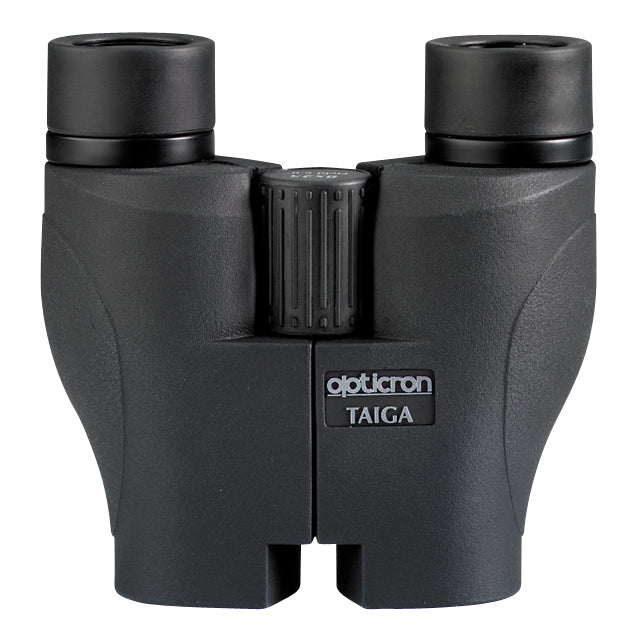
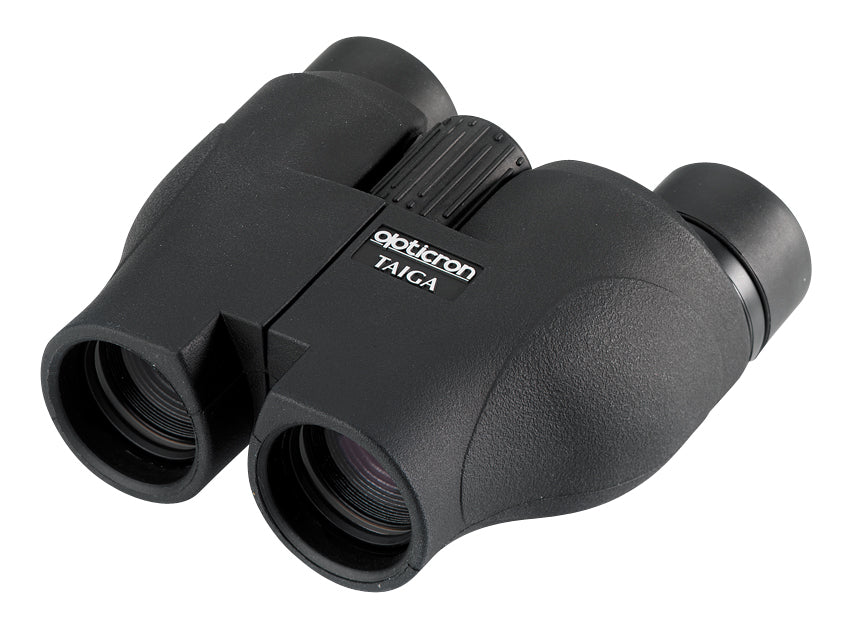
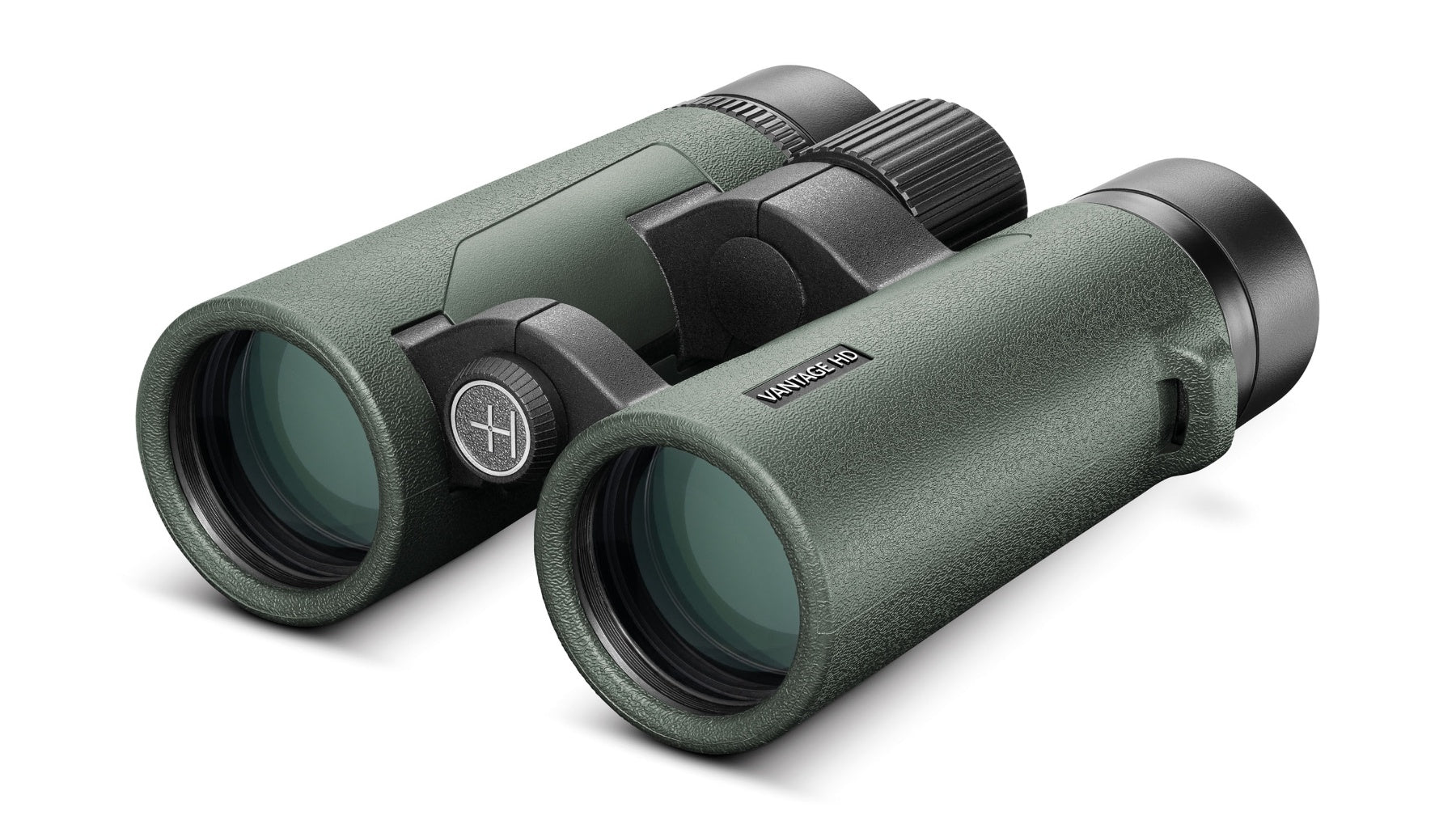
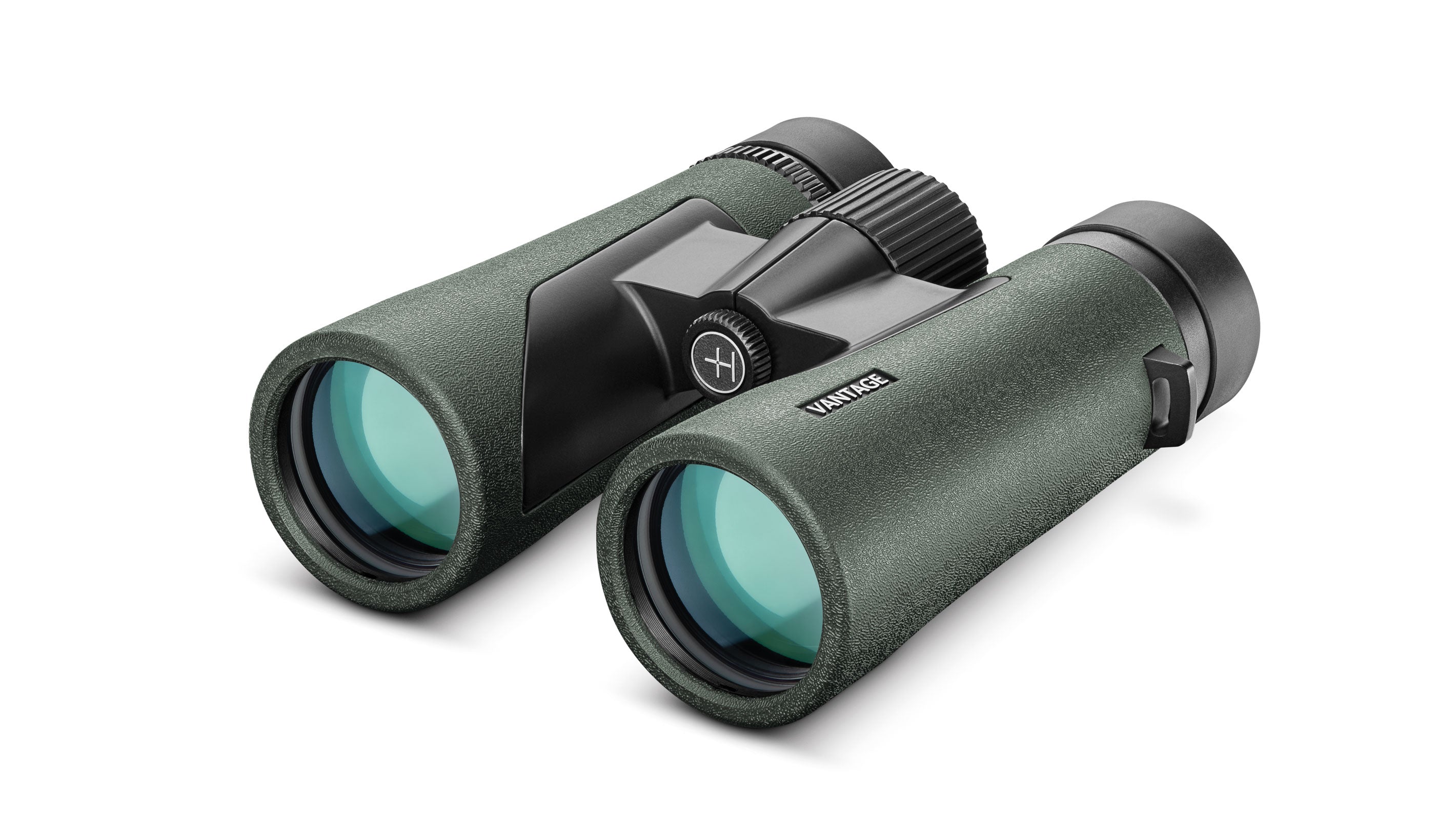
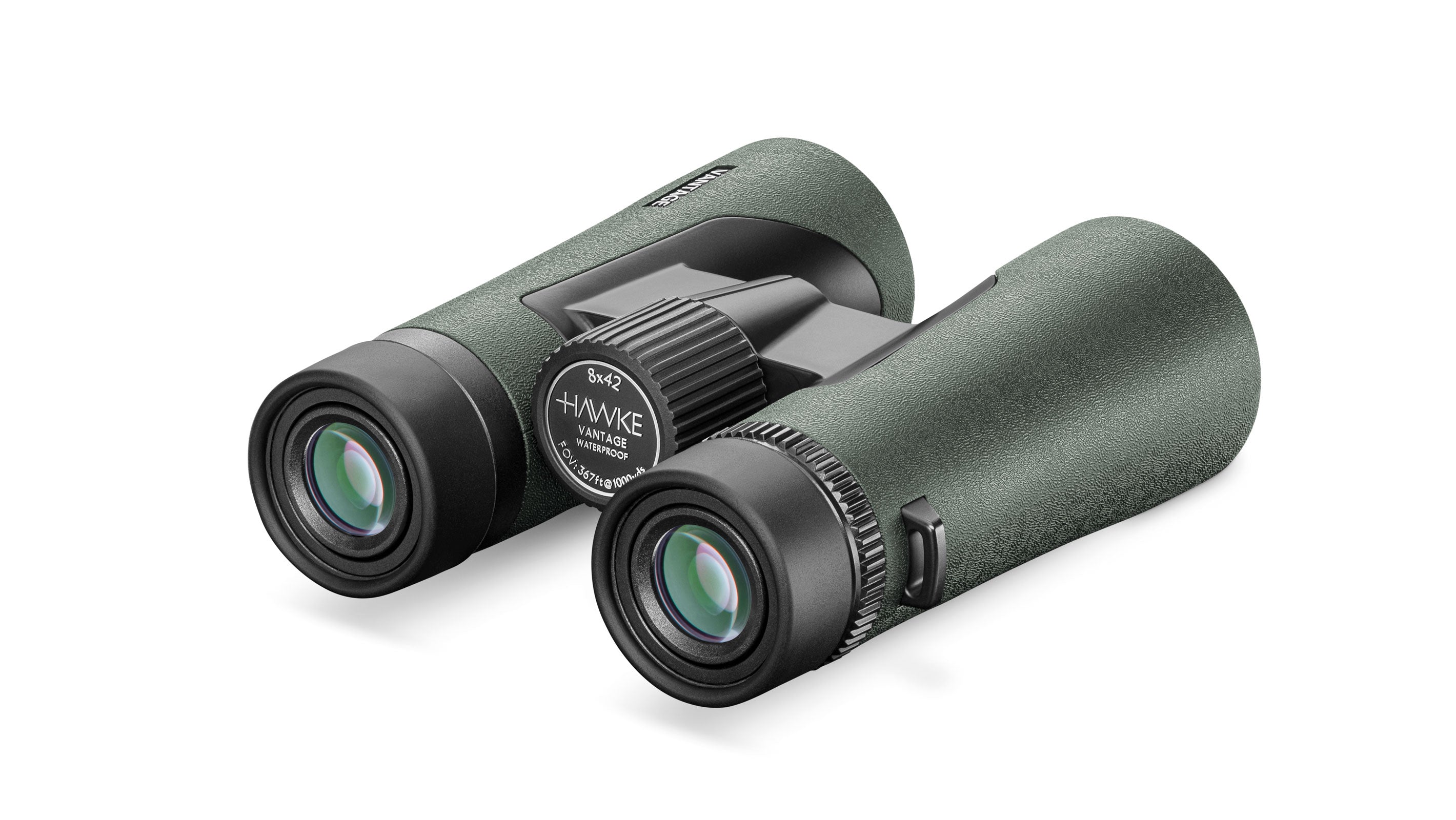
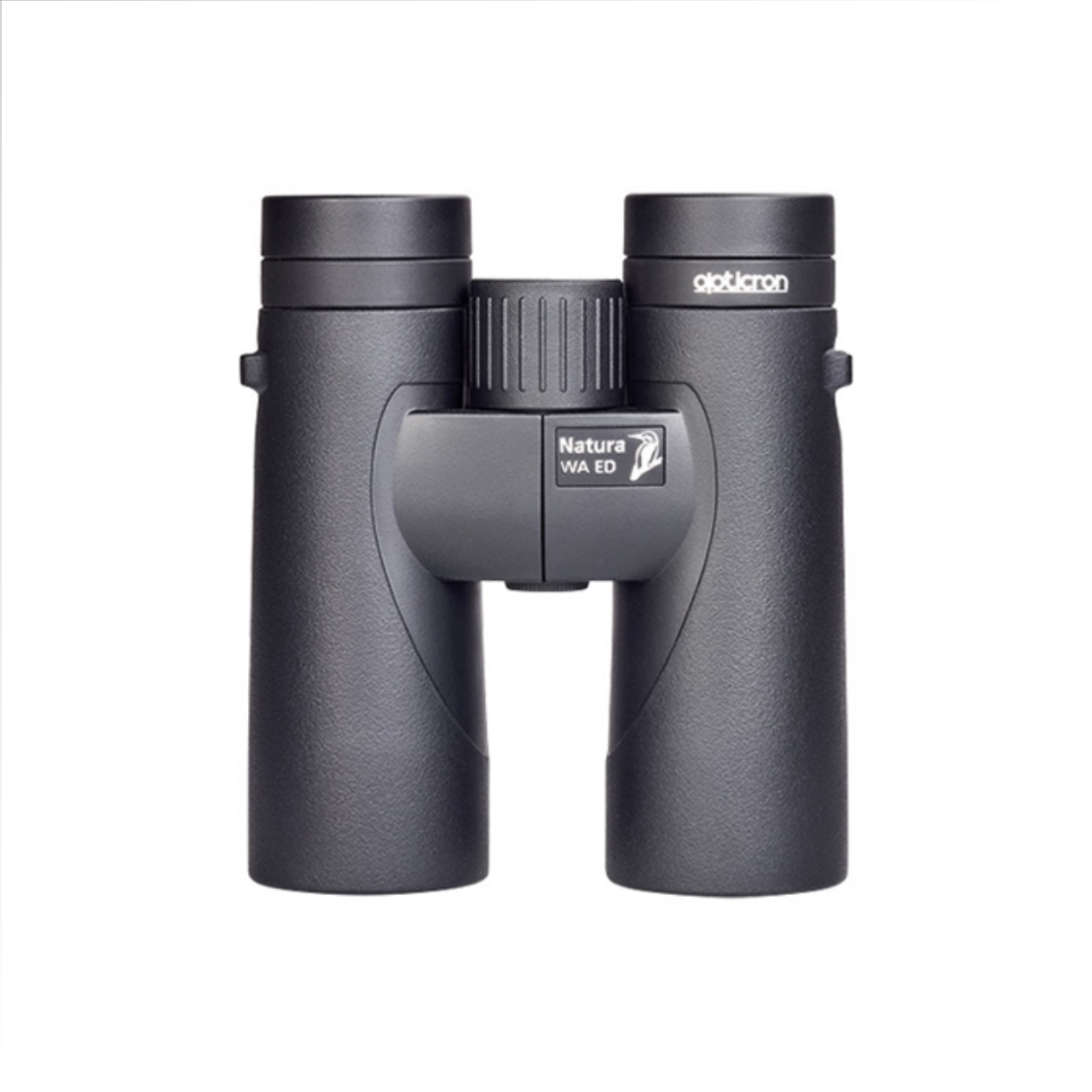
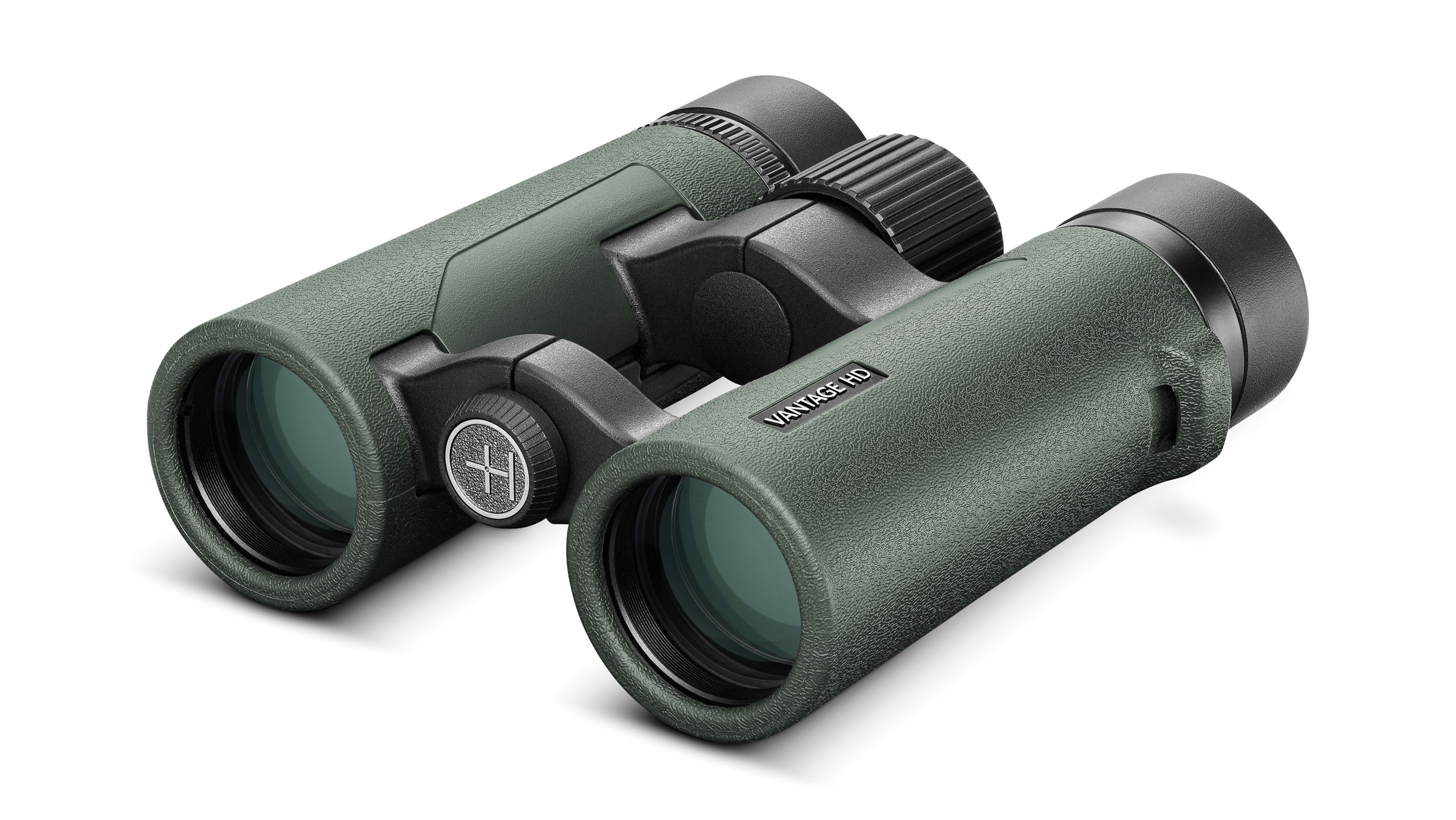
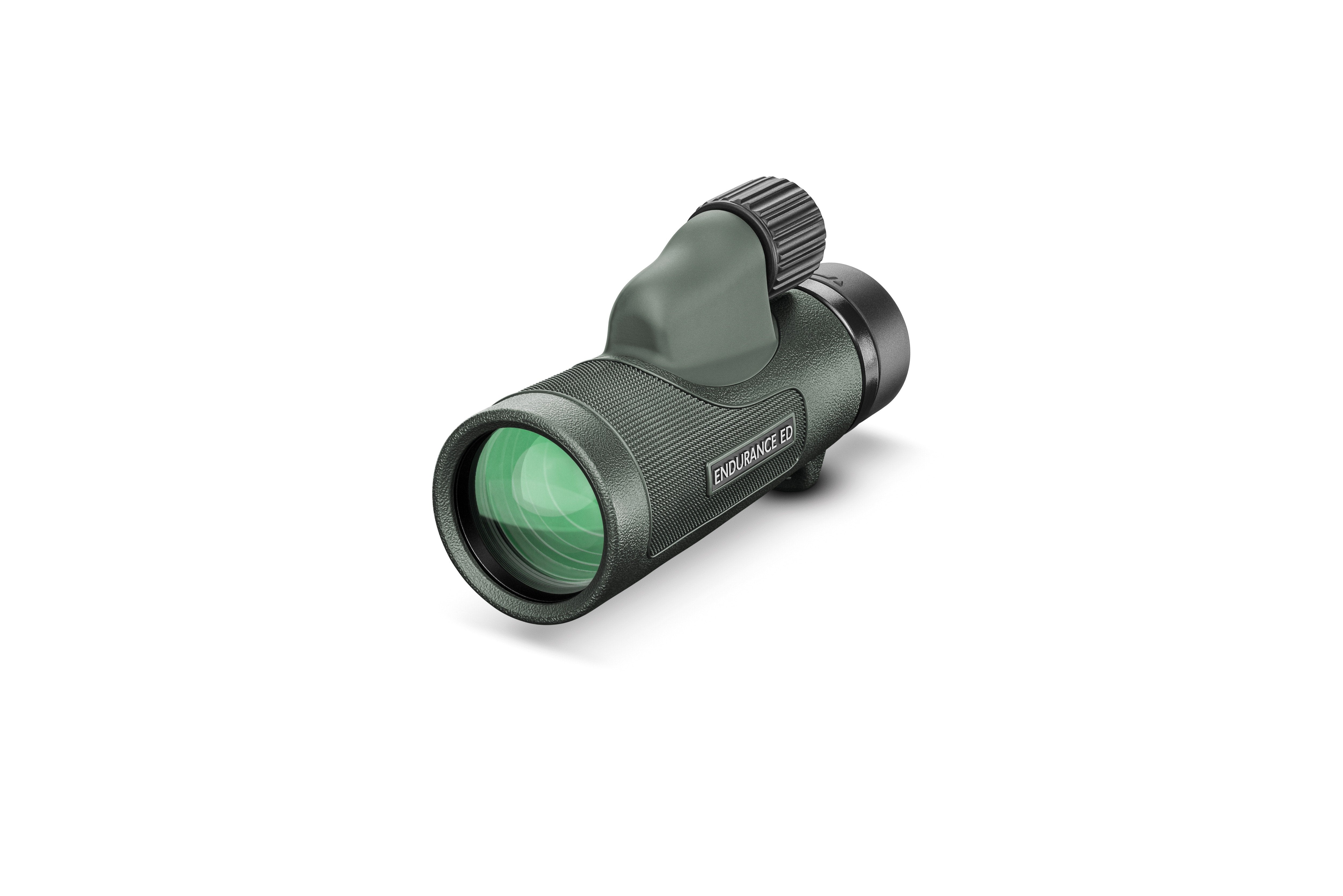
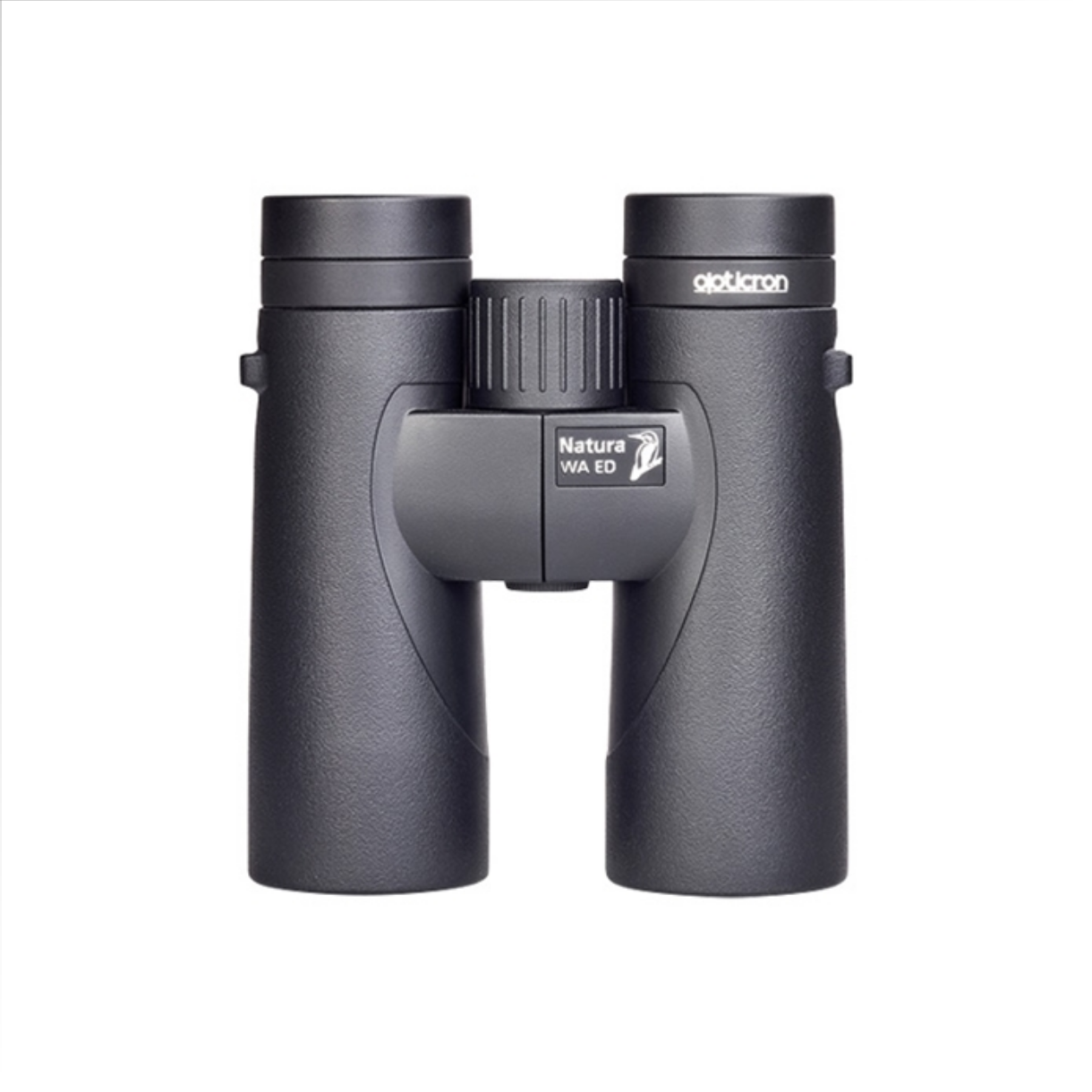
- Opticron and Hawke. UK-based brands covering entry level to serious birding glass, with a lot of choice in the mid-range.
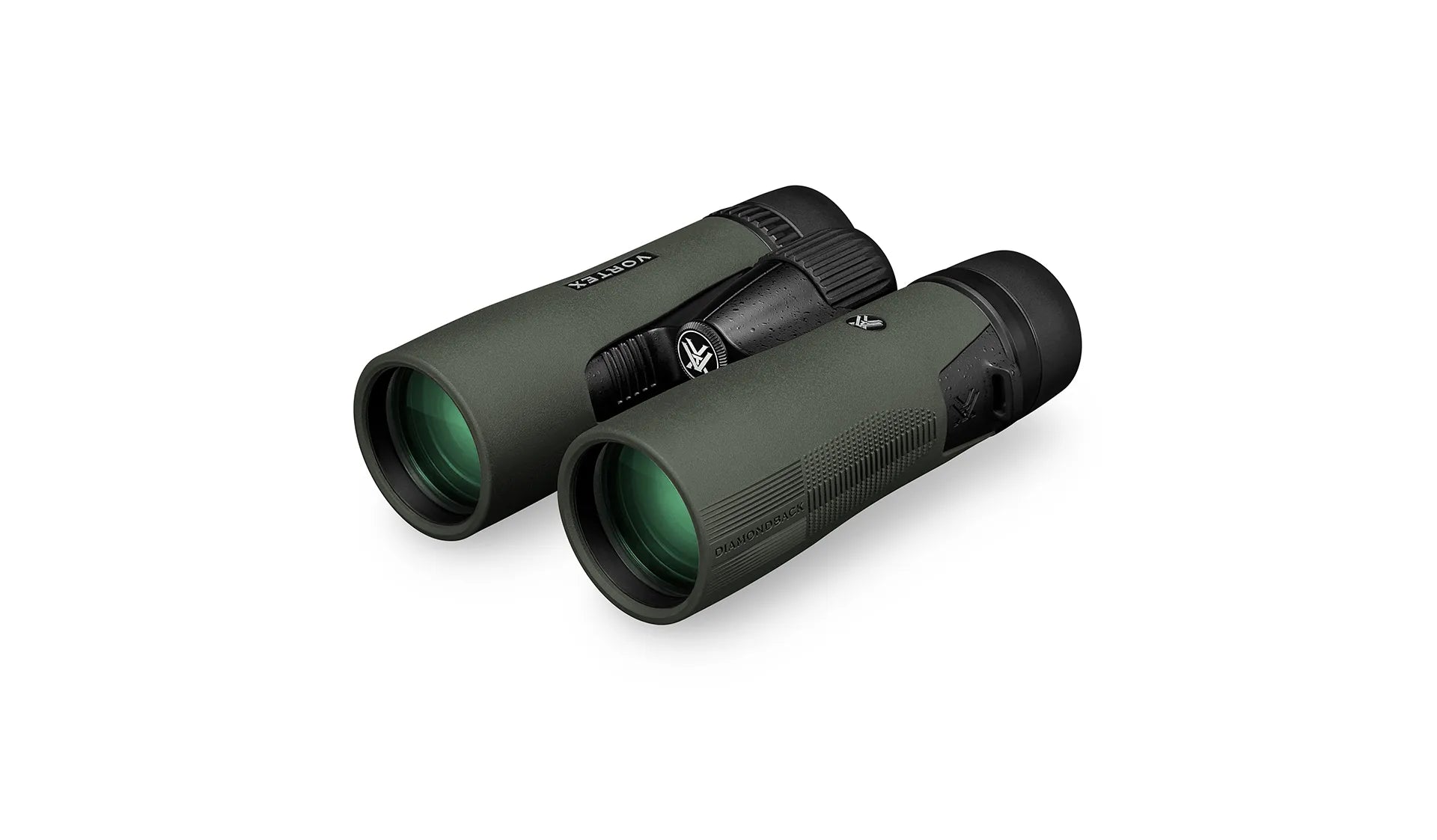
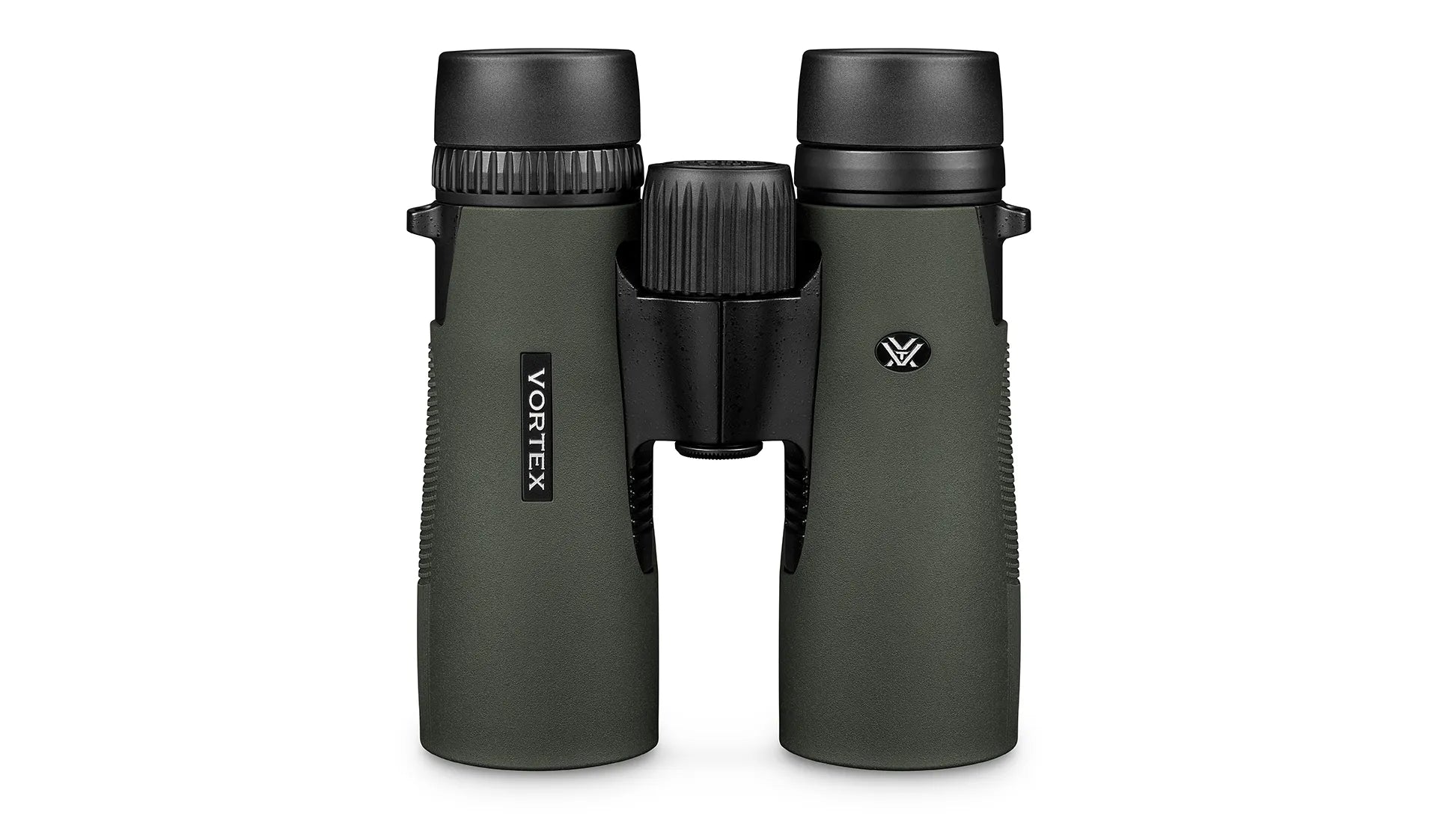
- Kite and Vortex. Well-built ranges at most budgets. Kite also makes image-stabilised binoculars.
Should I buy new or used?
New gives you the latest model and the full manufacturer warranty. Used can get you a class up for the same money, such as a premium pair for the price of a new mid-range one. Our guide to buying used binoculars covers what to check. Every used pair we sell is tested and graded in our shop and has its own warranty, set when we test it and shown on its listing. See used binoculars in stock or new binoculars.
Try before you buy
Specifications only go so far. Two pairs with the same numbers can feel and look quite different, and the right pair for you depends on your eyes, your hands and your glasses. At our shop on Beulah Street, Harrogate, you can compare binoculars side by side. Book a try-out and we'll have a shortlist ready for your budget and the birding you do, or drop in Monday to Saturday, 9:30am to 5pm. Bring your glasses and your current binoculars to compare.
When you try a pair:
- Set the hinge so you see one round image.
- Set the eyecups for your eyes or glasses, and check you see the full field.
- Focus near and far, and see how quickly the wheel gets there.
- Look at a bright edge, such as a window frame against the sky, for colour fringing.
- Hold them up for a minute. If your arms tire, try a lighter pair.